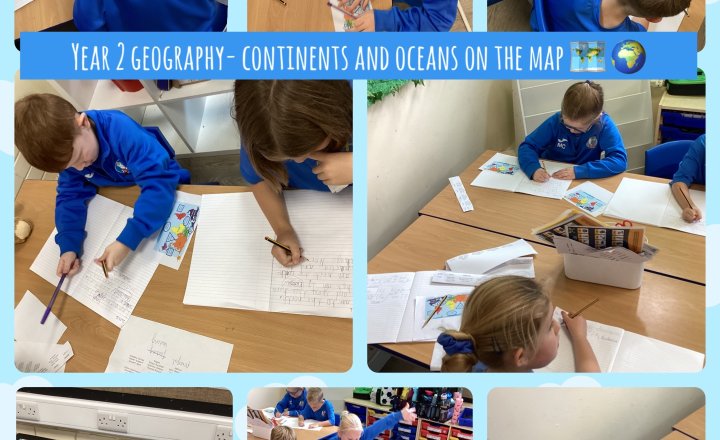
Year 2 Geography- Continents and Oceans
In Geography, we are learning to name and locate the seven continents and five oceans of the world. Today, we wrote our own riddles with clues to help Miss Flynn and Miss Lyons guess the continent or ocean we were writing about. Our clues included using positional language (near, above, below, next to, beside etc..), the size, the temperature and the compass direction to help us to explain which continent or ocean we were describing.
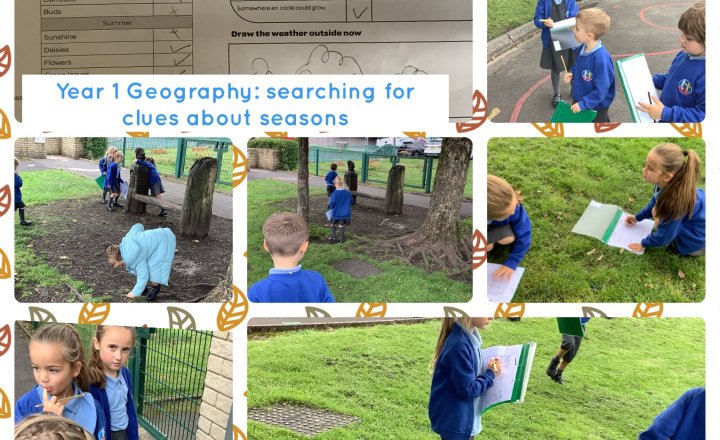
Year 1 Geography: Searching for clues about seasons
In Geography, we searched for clues to decide what season we are in. We looked for information about the colours of leaves, the weather and the plants. We were able to find some red and orange leaves, leaves on the ground and we had some windy and rainy weather which helped us to decide that we were in Autumn.
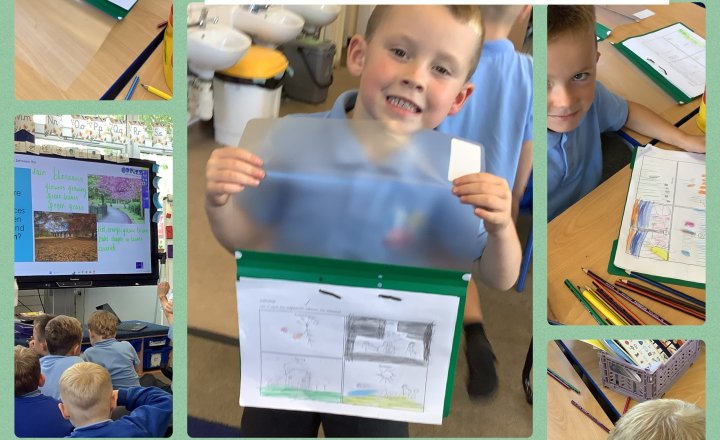
Year 1 Geography: Differences Between Seasons
In today’s Geography lesson, we started by singing our months of the year song. Then we looked at different pictures of the seasons and matched them correctly to their name. We then compared summer and winter. The children shared that summer is hot and bright, whilst winter is cold, dark and snowy. Then we compared autumn and spring. The children spotted that autumn has red, brown and yellow leaves that fall on the ground whilst spring is full of flowers and it rains often. Independently, the children drew a picture of each season which had to include a seasonal tree, weather and outfit.
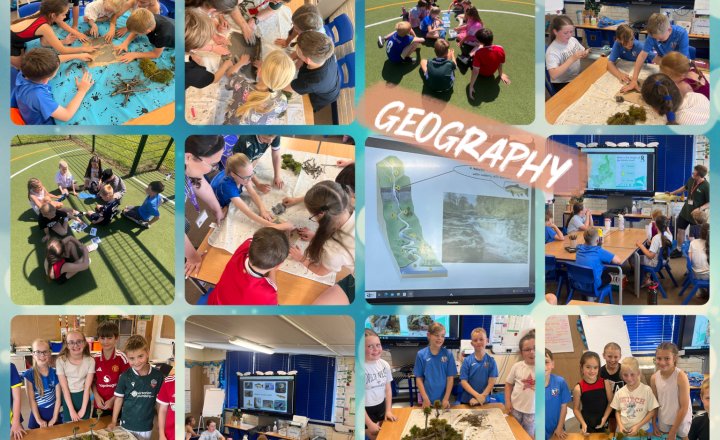
River Ribble Trust Visit Year 4
Today we had a visitor in Year 4. Cody from The River Ribble Trust came to talk to us about rivers as part of this half term's geography unit. The workshop aimed to bring freshwater science by encouraging the children to expand their knowledge of their local rivers, to promote the value of the Ribble’s natural heritage and improve its condition for people and wildlife. We learnt that the River Ribble is 73 miles in length and the Trust looks after lots of habitats all around it. The types of habitats included moorland which is like a giant sponge, farmland : creating fences, helping with storage and woodlands. Next we played a true or false game called ‘ Something smells fishy’ where Cody asked questions such as ‘Do seals visit the river?’. The children were surprised that seals do actually visit when trying to catch fish. Following this the children went outside and recreated rivers and labelled their key features which they were amazing at after learning about this is one of their geography lessons. Finally the last grand activity was the ‘Leaky Dam’ activity where the children worked in groups using clay, cardboard, moss and twigs to create their very own dams. Once the clay is dry we can then try out how successful their creations are by pouring water into them. The children absolutely loved this and we would like to say a special thank you to Corey for coming to do the workshop at St Barnabas.
.jpeg)
Year 5 - Geography
We continued our Geography topic by exploring the physical and man-made landscapes of Greece. We looked at mountains, coast lines and rivers and considered the natural elements of the landscape and how they were formed. Then we thought about how humans have changed and utilised those landscapes through tourism, housing, commercial uses and religious practises.
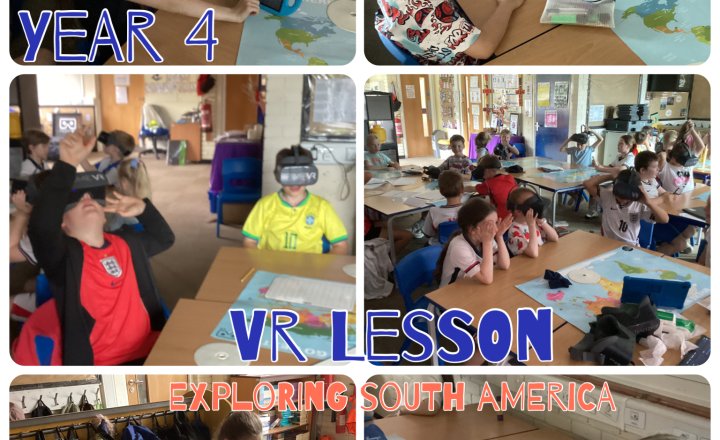
Year 4 - VR Lesson: South America
The VR session for Year 4 was the perfect complement to all the work we’ve done this year on South America. The lesson really brought the children’s learning to life as the children had the opportunity to explore parts of the Amazon Rainforest, the Christ the Redeemer statue in Brazil and a few other places.
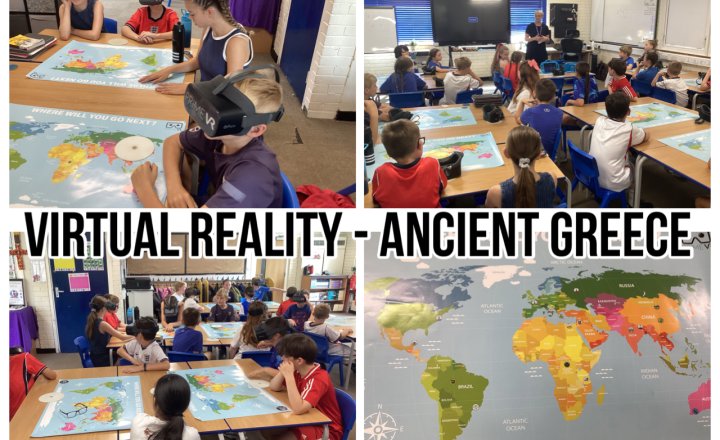
Year 5 - Ancient Greece in VR
Today PrimeVR visited St Barnabas, allowing classes to experience immersive, computer generated simulations through virtual reality. Year 5 had the opportunity to travel back in time to Ancient Greece and witness the Parthenon in its original splendour and offer tribute at the statue of Athena. We also got a taste of everyday life in Ancient Greece, seeing close up how people travelled and fished.
.jpeg)
Year 4 Geography - Rivers
In our Geography session we looked at the stages and features of a river and the way that land use changes from the source to the mouth. The children worked in small groups to create their own display which required labels for the mouth, meander, flood plain, source, confluence and tributary.
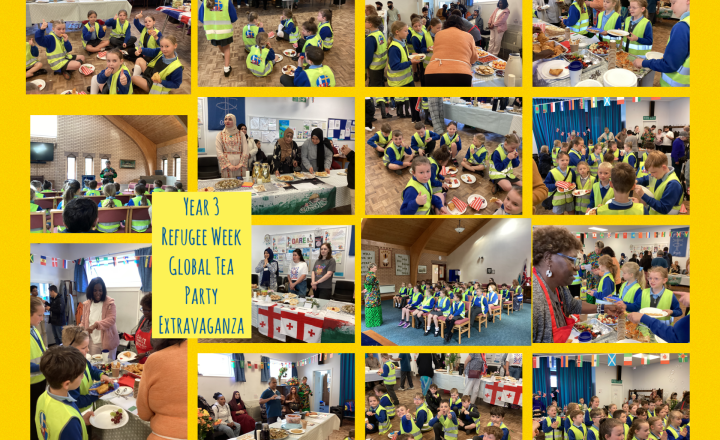
English-Year 3 Celebrate Refugee Week at the Global Tea Party!
As part of their learning this week, Year 3 have been exploring what it means to be a refugee or an asylum seeker. The children learned about some of the real challenges these individuals face, including the fact that asylum seekers are often given just under £37.00 to live on for an entire week. Discovering this really brought home the importance of our community efforts, helping the children see firsthand how much of a difference the bubble donations will make for families budgeting on so little. The children were also invited to a wonderful global tea party, where they experienced diverse cultures by tasting food from Greece, Palestine, Africa, Kurdistan, Sri Lanka and Italy. Year 3 were absolute superstars at the event, they represented the school exceptionally and truly sang their hearts out! As a special treat, the event organisers handed each child a small bag of sweets. Year 3, now fully appreciate how far our community's generosity will go in bringing joy to the children and families supported by the Darwen Asylum Refugee Enterprise (DARE). We are incredibly proud of their maturity and enthusiasm today!
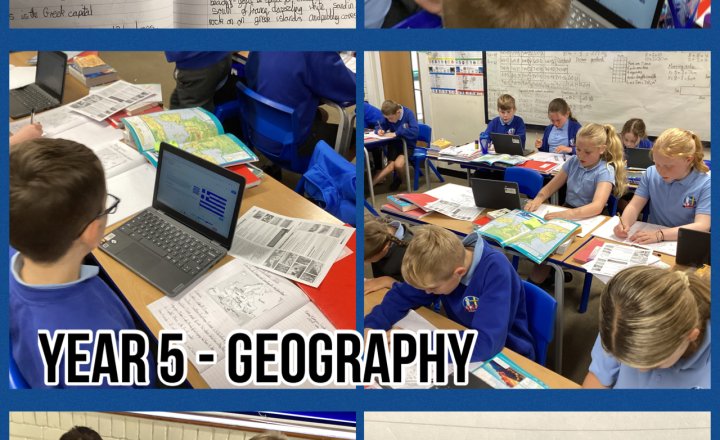
Year 5 - Geography
We began our new topic in Geography by exploring the continent of Europe before focussing on the country of Greece. We had previously studied its ancient history but today we researched facts about modern Greece, including its population, language, cities and geology. Then we studied reasons why countries around the Mediterranean Sea, like Greece, attract so many tourists. We considered the area’s climate, wildlife and attractions.
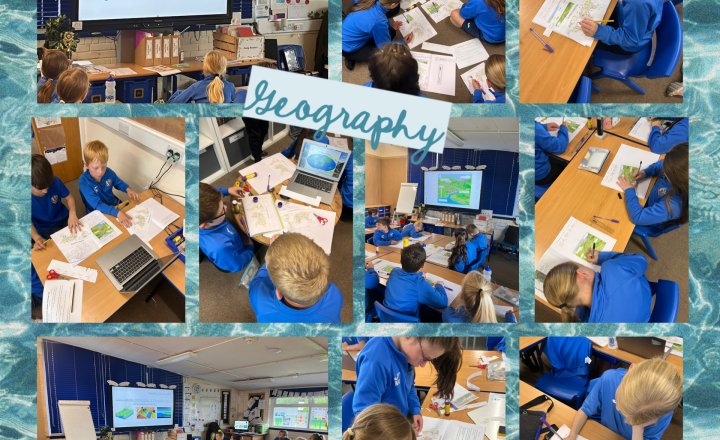
Geography Year 4 - Rivers
In our first Geography lesson for this half term we looked at the key features of the water cycle and identified the longest rivers in the world. The children watched video clips carefully and then labelled a diagram with evaporation, condensation, precipitation and ground water. Once they had finished this they then used a Chromebook to identify the top ten longest rivers in the world and add these to a map.
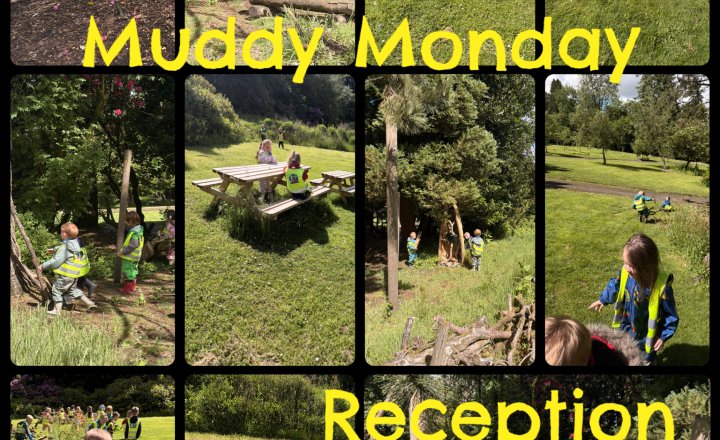
Reception: Muddy Monday
What a difference a rainy morning makes! The Reception class children were bracing themselves for a very soggy afternoon, but right on cue, the clouds parted, the rain stopped, and the sunshine burst through just in time for our Muddy Monday session at Whitehall Park. The children had an absolute blast making the most of the fresh air and the damp ground (which made for some top-tier mud squelching!).
.png)