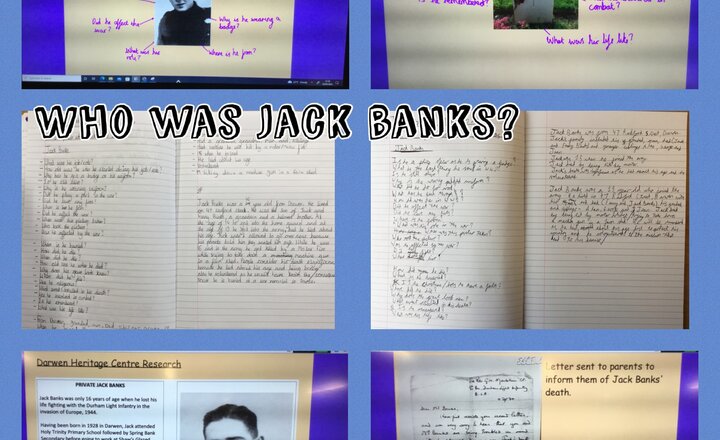
Year 6 History
Today, year 6 devised some questions to find out more about Jack Banks. With these questions, they then carried out some research to form an explanation about who he was. He was an extremely courageous young man who actually lied about his age in order to get accepted into the army. Tragically, this led to his death at the tender age of 16.
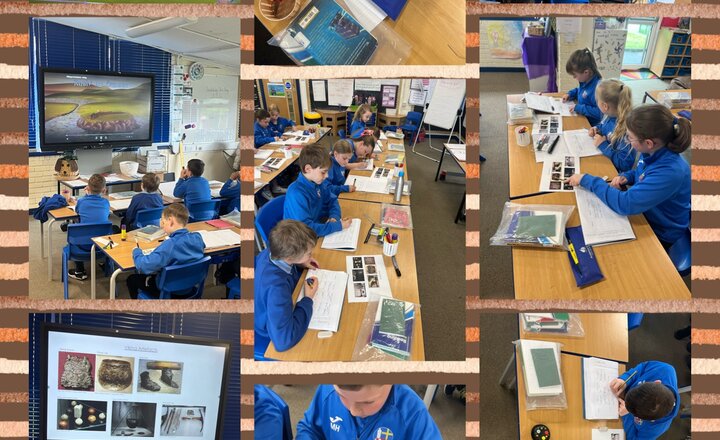
Year 4 History - Extracting and Interpreting information from Viking Artefacts
As part of our final history lesson, we looked at how we can make observations about artefacts and how to deduce information about Viking life. The children worked hard to complete knowledge tables on what the artefact was, what it was made from and what it could have been used for. We have really enjoyed our history unit on the Vikings and loved linking it to our fact files in our English lessons too.
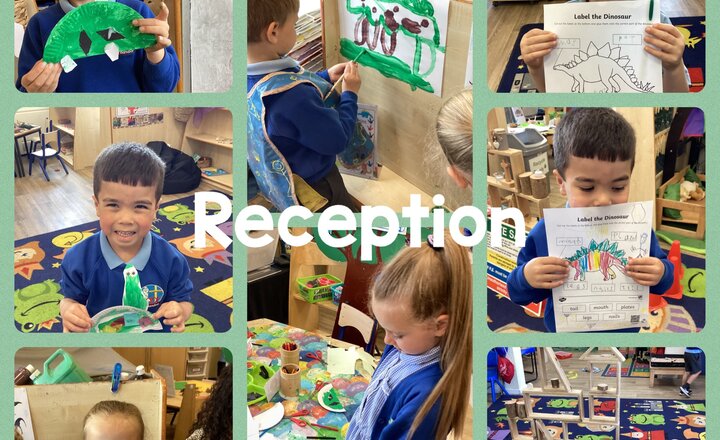
Reception: Active Explorers
It has been wonderful to see how our Ducklings are developing in problem solving and how they are all actively exploring all areas. They are constantly wanting to improve their work and are able to complete tricky tasks independently. This week, our Ducklings are learning all about dinosaurs and have created some fabulous Diplodocuses, labelled dinosaurs, created a dinosaur habitat and painted some marvellous dinosaurs whilst telling the class some wonderful facts about the knowledge they have learnt so far. Keep it up!
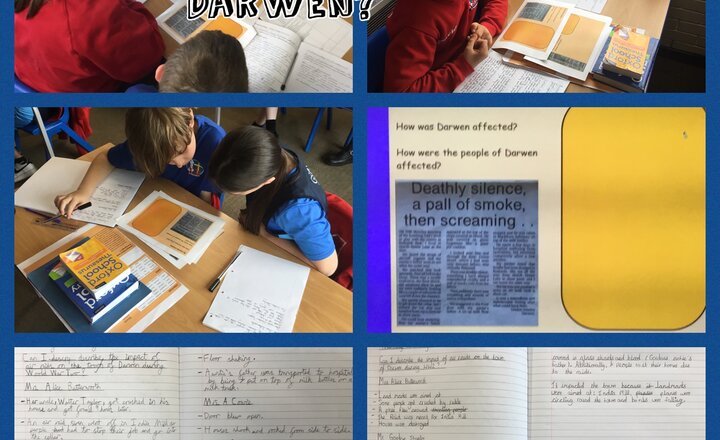
Year 6 History
In history, year 6 started to look at the impact air raids had on the town and people of Darwen during WW2. They looked at eye-witness accounts and realised that, although on a smaller scale to other towns and cities, Darwen was affected a great deal by air raids. There was death, destruction and injuries, but in a time of peril the town pulled together to support each other.
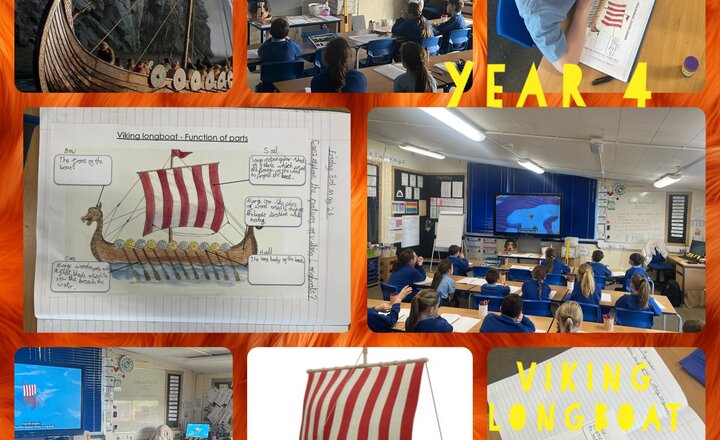
History - Exploring the features of a Viking Longboat
In our history session today we have been exploring the features of Viking longboats. We looked at how each feature was used such as the sail, rudder, hull, oars and bow. We then went on to design our very own fact file. We found out that the longboats could carry about 100 men and were up to 30 metres long and in good weather conditions, they could reach speeds of up to 17 knots!
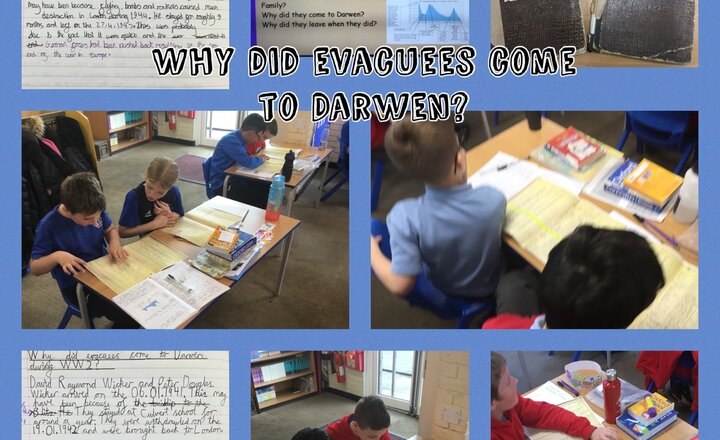
Year 6 History
In year 6, we continued our unit, which focuses on the impact of World War Two on Darwen, by investigating some attendance registers used by St Barnabas school (then Culvert school) during the war. We found out that evacuees came from London and attended the school and this may have happened due to events taking place in London at the time.
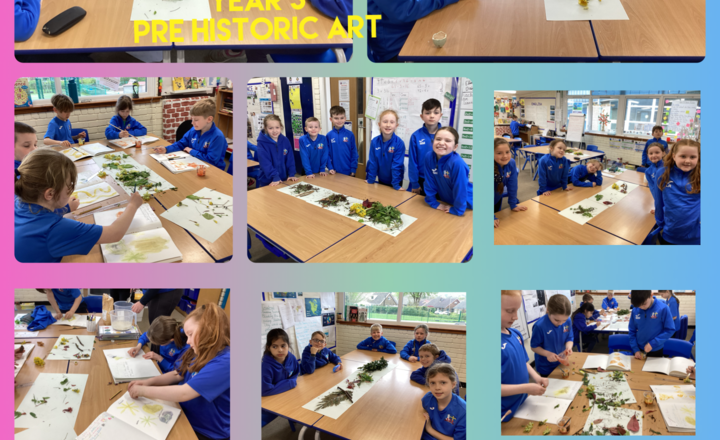
Year 3 - Art- Prehistoric Palette- Create paints using all natural ingredients as prehistoric artists did.
In ancient times, people had to get creative with their art supplies since they didn't have paints like we do today. They used things from nature, like crushed berries, burnt wood, and plant extracts mixed with animal fats, to make colours. That's why they collected leaves and other natural materials—they were their art-making tools. Today, Year 3 artists explored this ancient technique. They went on a nature walk to gather leaves, mud, twigs, and flower petals for their artwork. Back in the classroom, they mixed flour and water to make their paint base. Adding spices like turmeric or paprika gave them colours such as yellow, red, brown, and purple. Back in class, they used their homemade paints in their sketchbooks. They made marks, noting down the process for each colour they created. Through simple shapes, intricate patterns, and symbols.
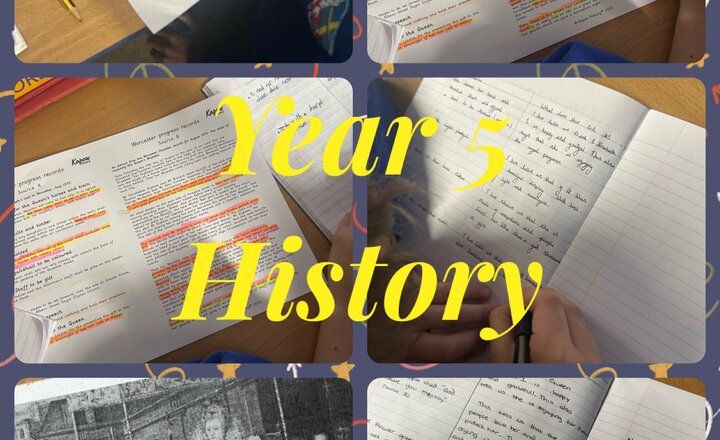
Year 5 - History
Today, Year 5 have been working on looking at the royal progress that took place in 1575 when Elizabeth I took her progression to Worcester. The children analysed many sources and records from that time period and they were able to gain an idea what they were like. The children interpreted the sources well and were very inquisitive about records containing: plans, amendments, itineraries and jobs that each individual person had.
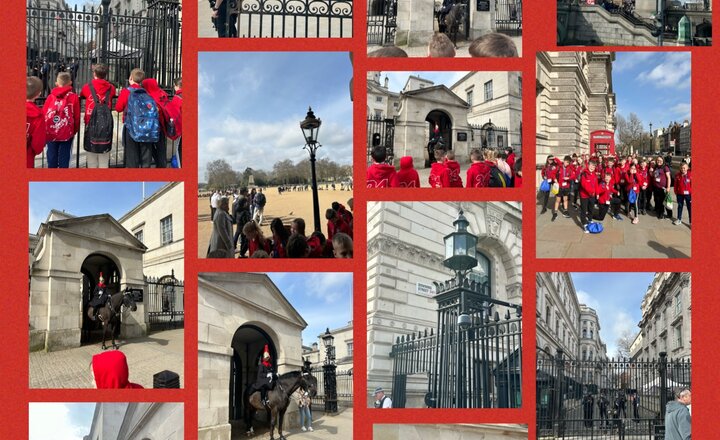
Year 6- London Sightseeing
Year 6 saw lots of London's famous sights such as Buckingham Palace, 10 Downing Street, Big Ben, the Houses of Parliament , the Tower of London and we watched the changing of the guard. For all of the photos, click here: https://www.stbarnabasdarwen.co.uk/photo-galleries/london-sightseeing
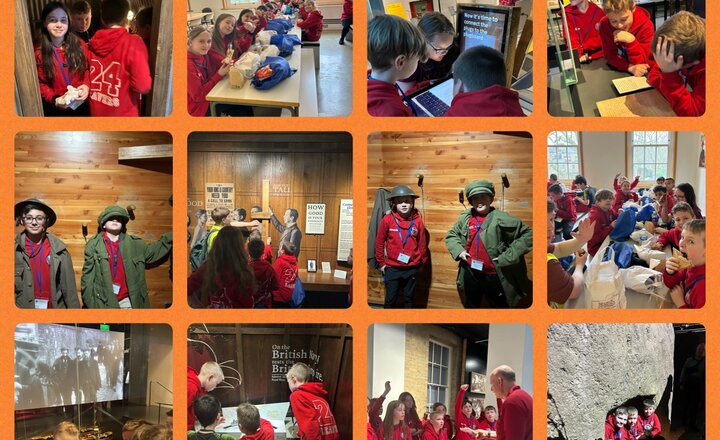
Year 6- Imperial War Museum Visit
In History this term, Year 6 have been learning all about the Second World War and the part that Darwen played in it. It has been wonderful to visit the Imperial War Museum to learn more about the Second World War and the part that London played in it and contrast this to Darwen’s involvement. All of the photos can be found here: https://www.stbarnabasdarwen.co.uk/photo-galleries/imperial-war-museum
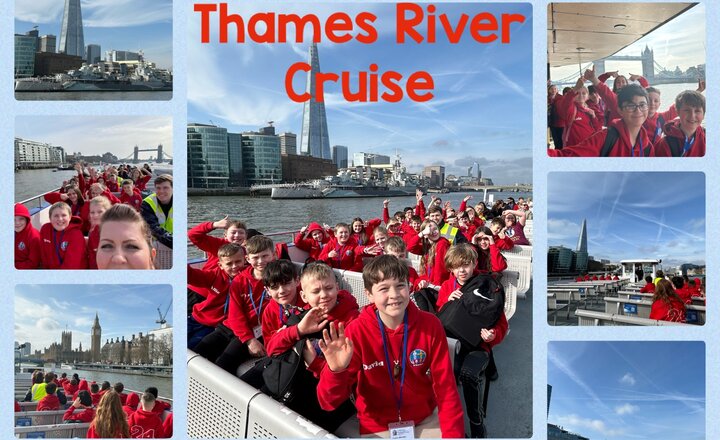
Year 6- Thames River Cruise
Our Year 6 children enjoyed seeing some of the famous sights of London from the River Thames. They also learnt about the history of the buildings from our tour guide. Can you spot any you know? For all of the photos, click here: https://www.stbarnabasdarwen.co.uk/photo-galleries/thames-river-sightseeing-cruise
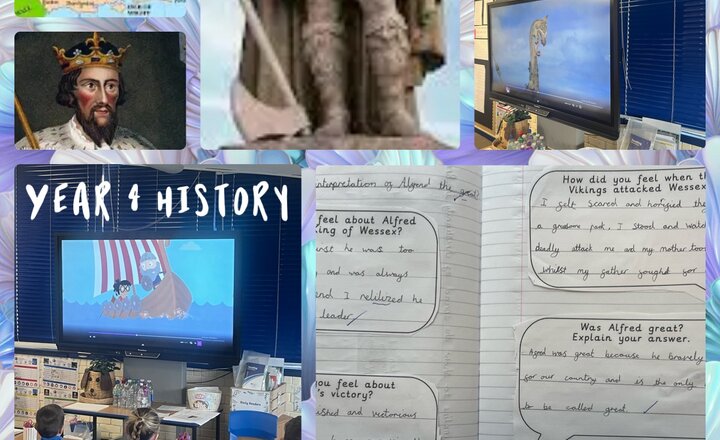
Year 4 History - King Alfred the Great
In our History lesson today we looked at various interpretations of Alfred the Great . We started in 793AD when the Vikings sailed down from Scandinavian lands to the North East coast to Lindisfarne. Here they savagely attacked the monks and robbed them of their treasures. 50 years on over 3000 Vikings arrived but King Alfred had something to say about that! He gathered his army and they fought a gruesome battle and this is when Alfred gained his King Alfred the Great title. One that no other king has ever received.
.png)