Year 2 - History
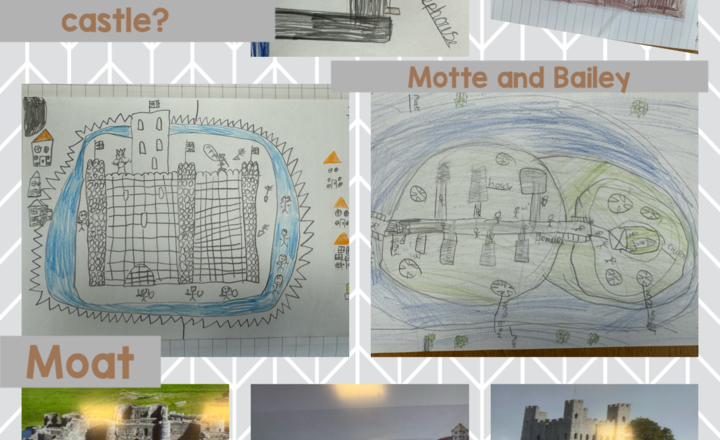
After the Battle of Hastings, William I built many castles across England. This week, we explored the different types of castles we might find in this country. We compared different castles from different time periods. Then we drew our own castle which included many of the features we identified. The children made sure their castle had lots of features so it could defend itself against a potential invasion!
Year 6- Houses of Parliament Visit
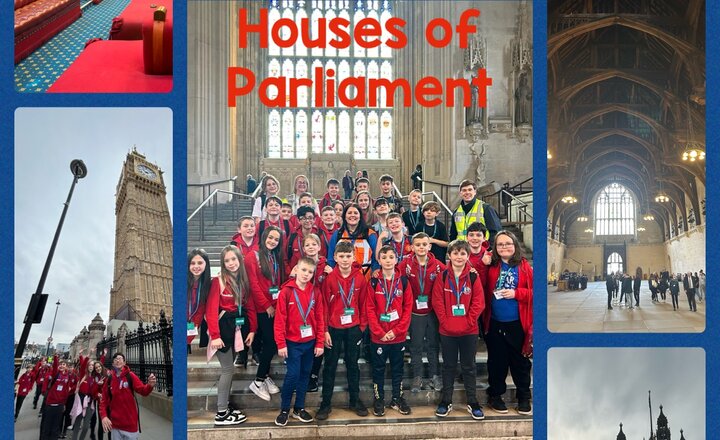
Our Year 6 class enjoyed a wonderful visit to the Houses of Parliament. They went on a special guided tour and got to go into the House of Lords. They finished the visit in Westminster Hall and looked at where the late Queen Elizabeth II was laid in state. All of the photos can be found here: https://www.stbarnabasdarwen.co.uk/photo-galleries/houses-of-parliament-visit-1
Year 6- Natural History Museum
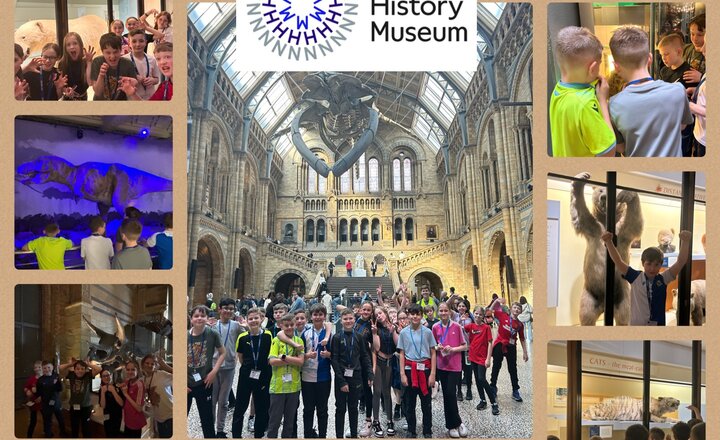
Our Year 6 class had a wonderful time exploring the Natural History Museum in London. They saw dinosaur and animal bones and fossils and lots of stuffed animals. They also enjoyed visiting the gift shop. Click here for all of the photos: https://www.stbarnabasdarwen.co.uk/photo-galleries/natural-history-museum
Year 1- Local History Walk
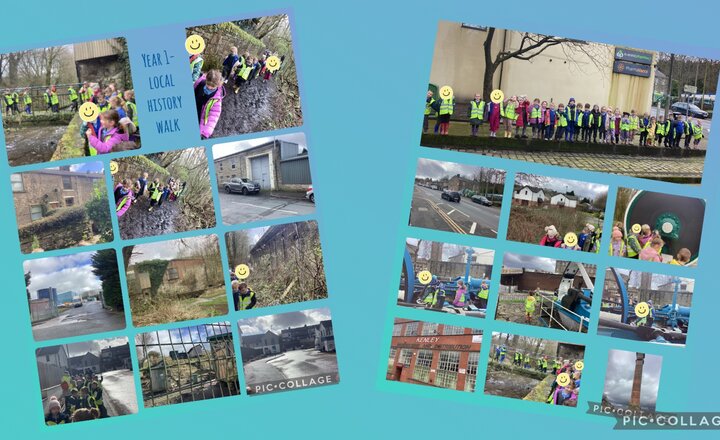
In their history lessons, Year 1 have been learning about the positive impact that Queen Victoria had on Britain during her reign. They learnt that Queen Victoria and her husband, Albert, supported Britain in becoming more developed. During her reign, trams and trains being developed meant that people and goods could move around the country and machinery that could be powered by coal and water could produce materials such as cotton, paper and metals very quickly that could then be shipped to other countries to support Britain becoming wealthier. Today, Year 1 went on a walk around Darwen to see the impact that Queen Victoria’s reign had on their hometown. They saw many factories that have now been repurposed but were once cotton or paper mills such as Radford Mill on Bolton Road, Hilton’s Old Paper Mill which is now Kenleys and Brittania Mills. They also saw several sights were cotton factories used to be that are now housing estates such as the site where Bowling Green Mill used to stand and where Waterfield Mill used to be. From visiting so many locations where cotton and paper mills used to be, it helped year 1 to understand just how much of a part Darwen used to play in producing cotton especially. They also learnt that this cotton used to get shipped over to India to make Britain wealthier and this is why Ghandi visited Darwen. As well as this, Year 1 also saw the original tramway track which was built and in operation during Queen Victoria’s reign and the concrete capping on Clough Street which tells us that there was a coal mine in his area which would have been used to generate the power for both the trams, trains and machinery. Year 1 walked over 3 miles during our local area history lesson which is a great contribution to our ‘Big Lent Walk’ challenge too- well done Year 1.
Year 2 - History
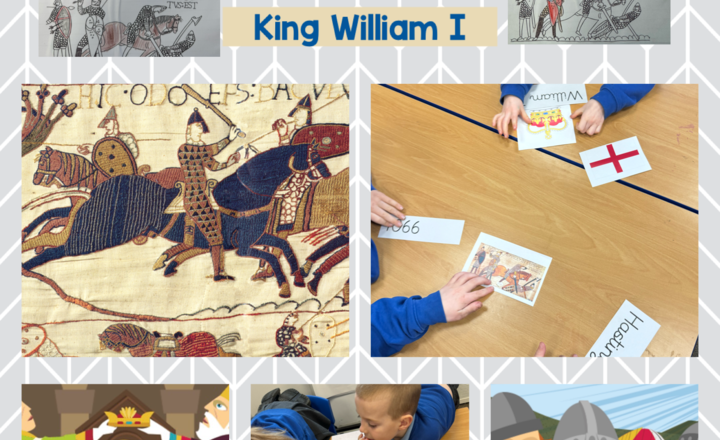
This week in History, we continued our learning looking at Monarchs. In previous lessons we learnt about our current monarch King Charles III. This week we went back nearly 1000 years to 1066 and the Battle of Hastings. We looked into the Norman Conquest and the events that occurred leading to William of Normandy becoming king. We then looked at the Bayeux Tapestry which shows scenes from the Battle.
Year 3 - The History of Women’s Football
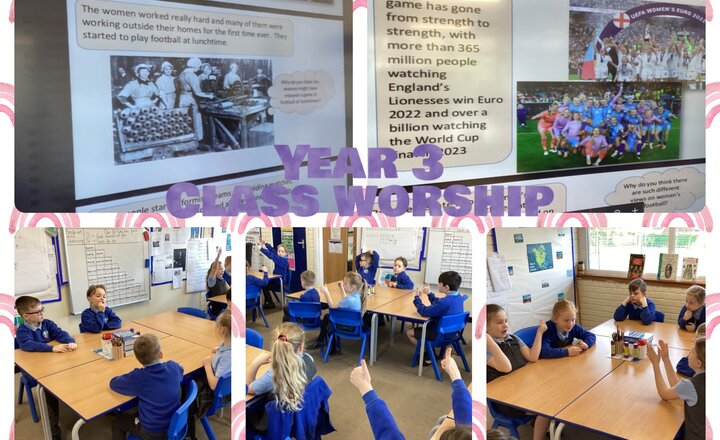
Today during class worship we looked into the history of women’s football. Year 3 were very interested in learning about what women have faced in the past and how the game is evolving to include women. We discussed the importance of encouraging and supporting each other. The boys in class can’t wait to cheer on the girls on Friday when they take part in a football tournament in support of International Women's Day.
Year 4 History - Who were the Anglo Saxons and the Scots?
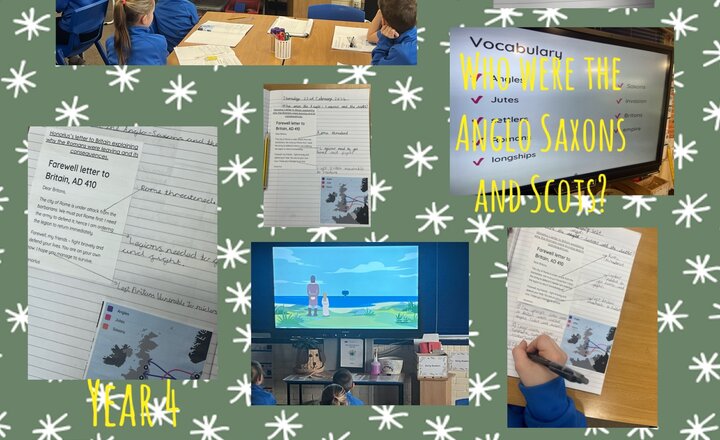
We started our new history topic on Anglo Saxons this afternoon where we looked at identifying where Angles, Saxons and Jutes came from and then we went on to why Anglo Saxons chose to invade Britain. They travelled on longships and some of them were invited by the Romans but some were raiders. Britain offered plentiful resources and the children worked hard to investigate other reasons as to why invading our land was so popular.
Year 2 History
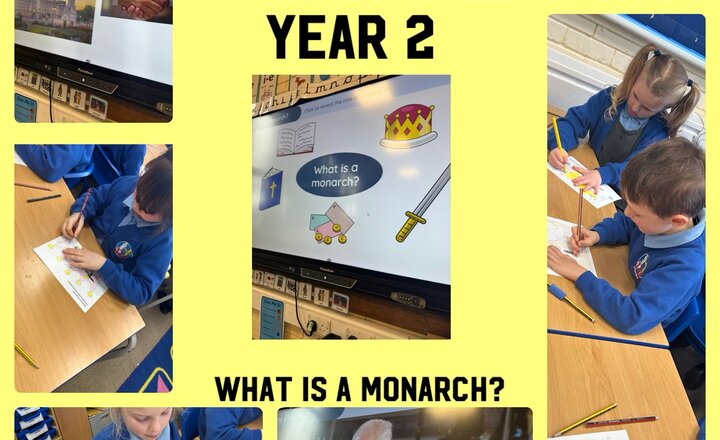
We began our new History topic of Monarchs by looking at what a monarch actually is and what they do. We discussed our current monarch King Charles III and his roles and responsibilities. We designed a crown with symbols that represent what a Monarch’s job is. For example, writing a speech, money to show wealth, handshakes to show him meeting with other people and a bible to show their faith.
Year 2 - History
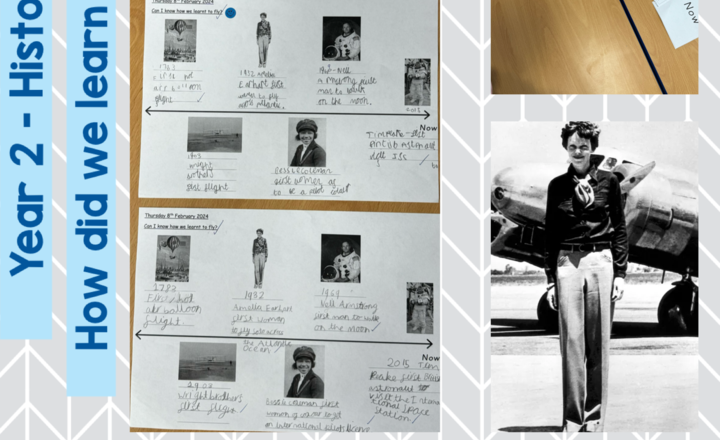
We have loved learning about how we learned to fly over the past 5 weeks. From the Wright brothers first flight in 1904 to the moon landing in 1969. The children have been fascinated by how certain people were able to invent new ways to fly that hadn’t been thought of before. This week, we combined all of our learning and put it on a time line so we can see the events in chronological order.
Year 3- History-Why did Tudor children work and what was it like?
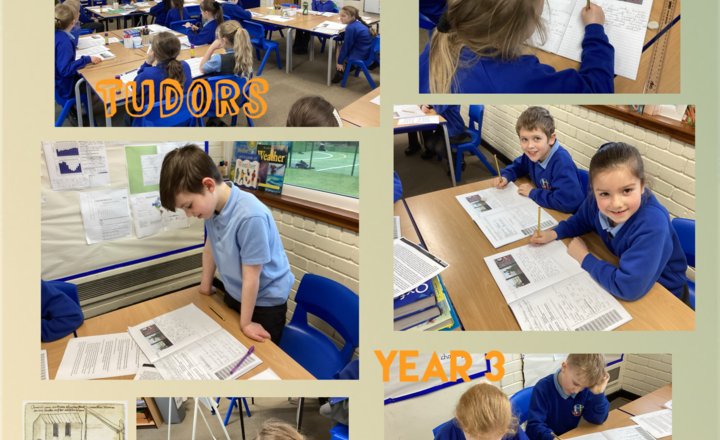
This afternoon, the young historians delved into the Tudor era, exploring the lives and working conditions of that time. The children were amazed by the differences in daily life. Girls didn't attend school; instead, they assisted with household chores such as cooking, cleaning, and looking after younger siblings. Meanwhile, boys often apprenticed with blacksmiths, learning to craft tools, horseshoes, and more using metals to bring money for the family. They often worked long hours often cramped and uncomfortable environments. They weren't privileged to attend school as we do, and their toys and clothes were simpler. Despite these differences, they still found ways to have fun and enjoy their time like us!
Year 2 -History
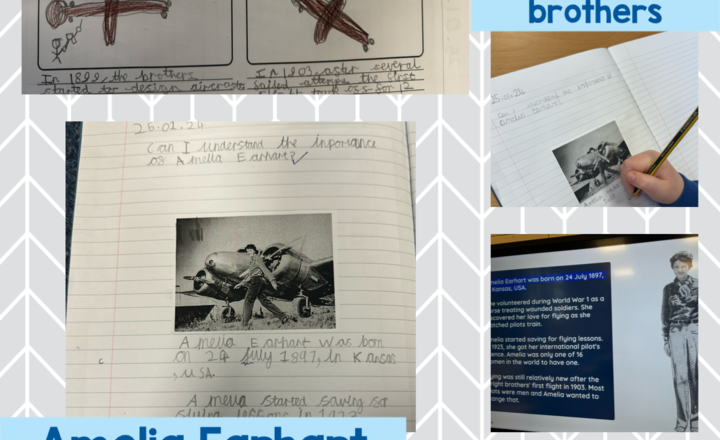
Over the past 3 weeks, we have been looking at famous explorers. In particular, explorers who helped us learn how to fly. From the Wright Brothers flight in 1903 which lasted 12 seconds, to Amelia Earhart’s brave mission across the Atlantic and Pacific Oceans. We have found this very interesting and are looking forward to exploring the next step in aviation.
Year 2 - History
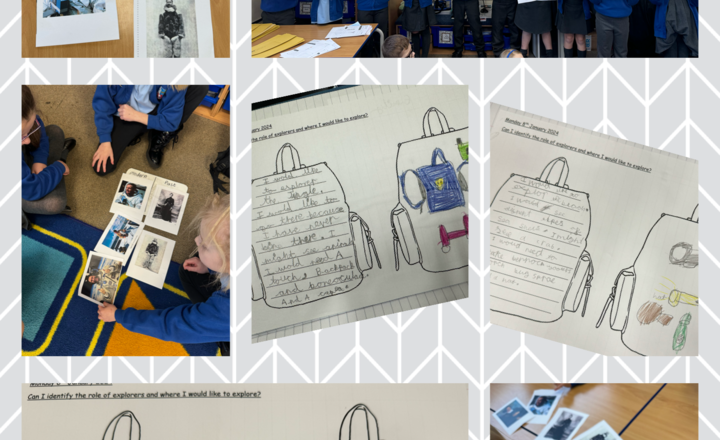
Our new History topic for this half term is Explorers! We began by looking at what an explorer is? What do they do? Why are they important? We also discussed the equipment that explorers may need in order to go on long, hard journeys. We touched on famous explorers that we will look in more detail at such as Christopher Columbus and Tim Peake. To finish we thought about where we would like to explore in the world. We had many ideas such as The African deserts, Antarctica and Mountains in Norway. We discussed what we might find in these interesting places. We then drew our rucksack full of the equipment we would need on our adventures.
.png)