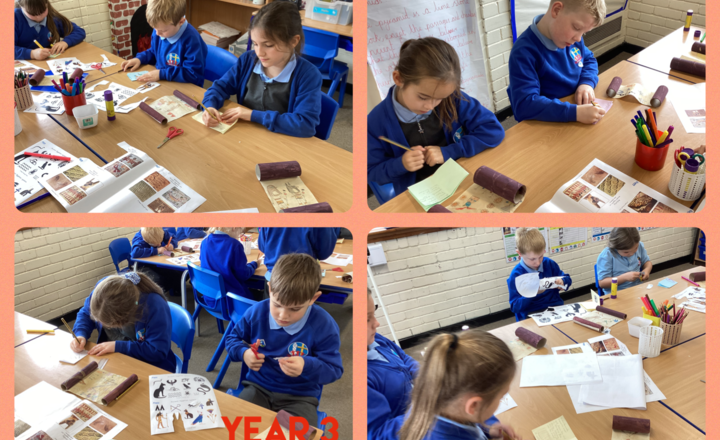
Year 3- Art- Ancient Egyptian Scrolls
Throughout this half term, Year 3 have explored the fascinating world of Ancient Egyptian art. They learned about the unique styles, patterns, and techniques used by the Egyptians. To showcase their knowledge and skills, they created their own scrolls on papyrus, which they created using coffee and tea. They’ve carefully chosen colours and materials to make their scrolls visually appealing and historically accurate. They’ve also used sketchbooks to record their observations, experiment with different ideas, and plan their scroll-making process. By studying how artists in the past produced art, they’ve gained a deeper understanding of the influence and impact of historical methods and styles on contemporary art. This knowledge has inspired them to create their own unique and meaningful works of art.
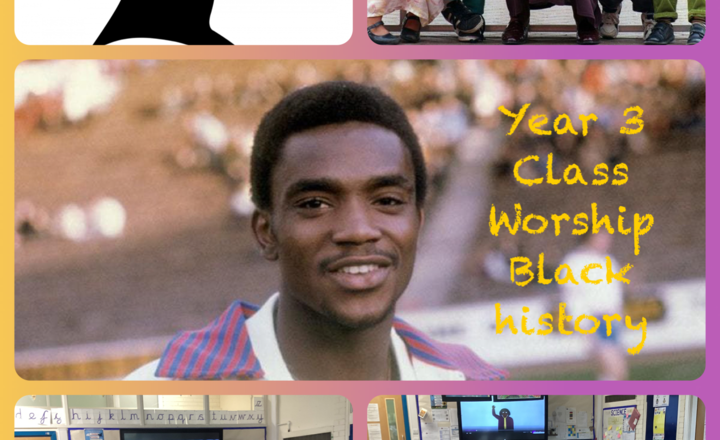
Year 3- Class Worship- Celebrating Black History
During our class worship, we honoured Black History Month by exploring the remarkable life of Olaudah Equiano. Once enslaved, Equiano overcame extraordinary challenges to become a prominent abolitionist. We also celebrated the achievements of Nigel Clarke, a pioneering Black footballer, and Betty Campbell, the first Black headteacher in Wales. As we reflected on their inspiring stories, some children shared their aspirations and dreams, such as footballers, teachers, hairdressers and a doctor. We also discussed the resilience and determination it takes to overcome adversity, drawing inspiration from Betty Campbell's journey. We thanked God for providing us with opportunities for education, sports, and loving families.
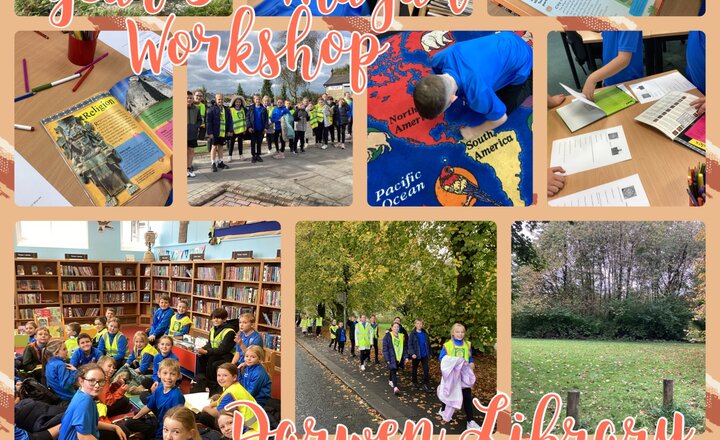
Year 5 - Mayan Workshop
Today, Year 5 visited Darwen Library to take part in an exciting Mayan workshop. Along the way, we took a moment to reflect on spirituality, encouraging the children to be mindful of their surroundings, appreciate the beauty of nature, and recognise the unique characteristics that make our town so special. This time of reflection helped foster a sense of connection to both the environment and their community. Once at the library, the children participated in a range of fun, creative activities. They worked together to find books to answer key questions, explored various sections of the library to locate different types of books, and engaged in a lively Mayan quiz to test their knowledge. The workshop not only deepened their understanding of Mayan culture but also strengthened their research and teamwork skills, making the day a fulfilling blend of learning, exploration, and reflection.
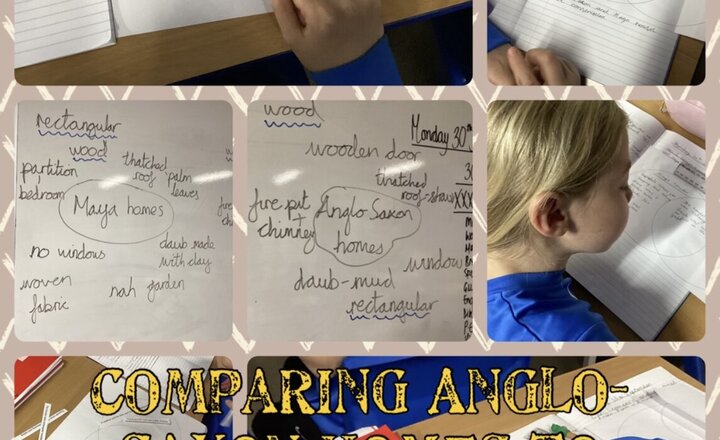
Year 5 - Comparing Mayan and Anglo-Saxons
In History, Year 5 have been comparing the similarities and differences between Mayan and Anglo-Saxon homes, exploring how both civilisations used locally available materials, the architectural designs suited to their environments, and the distinct ways each society organised their living spaces. The children discussed how these homes reflect the daily lives, cultures, and technological advancements of the time.
Year 5 - Mayan Challenges
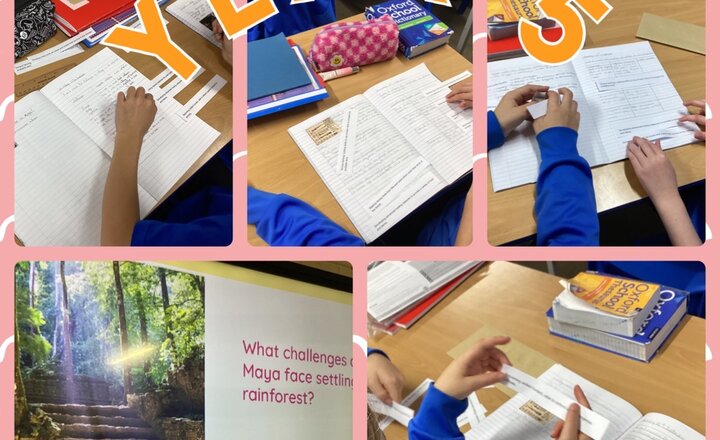
This afternoon, Year 5 continued to explore the challenges the Mayans faced while living in the rainforest. The children learned about the difficulties the Mayans encountered, such as the dense forest environment, lack of resources, and the need for sustainable farming. Before discovering the historical solutions used by the Mayans, the children engaged in critical thinking, offering their own creative solutions to these problems. Afterward, they compared their ideas to the actual strategies the Mayans employed, deepening their understanding of how this ancient civilisation adapted to their challenging environment.
Year 3- Creating Ancient Egyptian Art
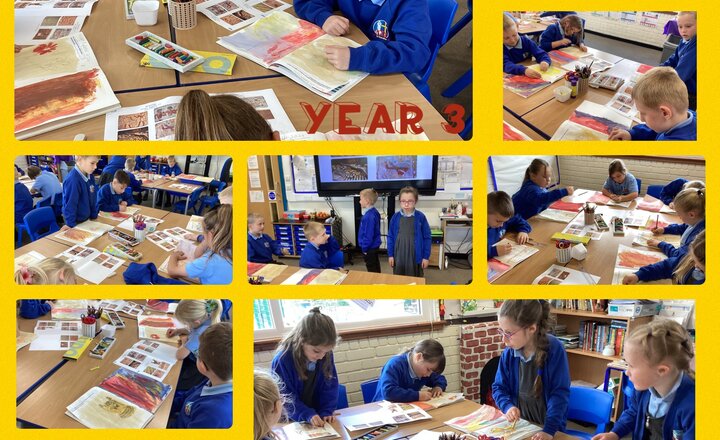
This afternoon, Year 3 started their first art lesson by learning about Ancient Egyptian art and how it was made. They discovered that the Egyptians didn't use plain white paper but used papyrus instead. They also learnt that the Egyptians always painted figures sideways and the most important people were shown as the largest and prominent figures. To recreate this, Year 3 artists made interesting surfaces in their sketchbooks using water-based paints, tea bags, and coffee. After watching a demonstration, they tried making their surfaces to draw Egyptian patterns and shapes and their work turned out amazing!
Year 1 Local Geography
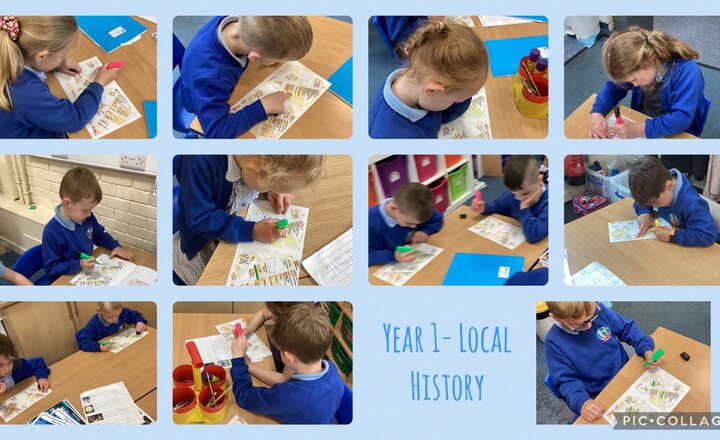
This week in history, Year 1 compared a map of Darwen Market St in the 1950s with a map of Darwen Market St in 2024. They spotted noticed lots of differences such as the high street used to have several tailors, shoe shops and banks. Whereas now we don’t have any of those and instead we have takeaways, supermarkets, bargain stores and charity shops. They did notice a similarity which was both the high street in 1950 and the high street now have a pharmacy.
Reception: Our New Classroom
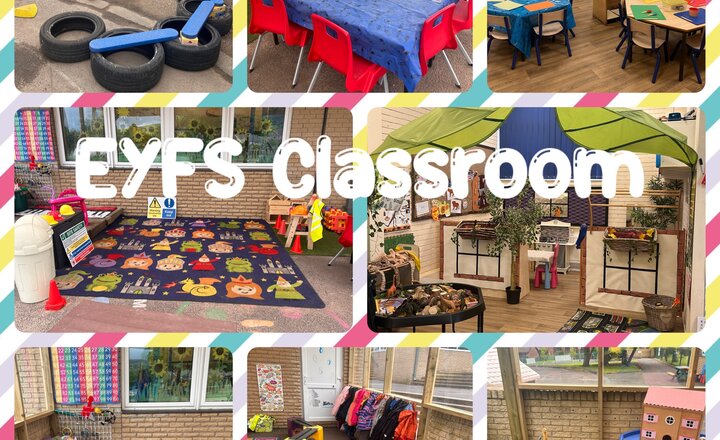
The children in Reception have loved our new outdoor canopy that was built last week. This has extended our classroom to provide an outdoor area that the children can access in all weathers. Our indoor classroom has also had a refresh and the children have loved exploring all of the areas!
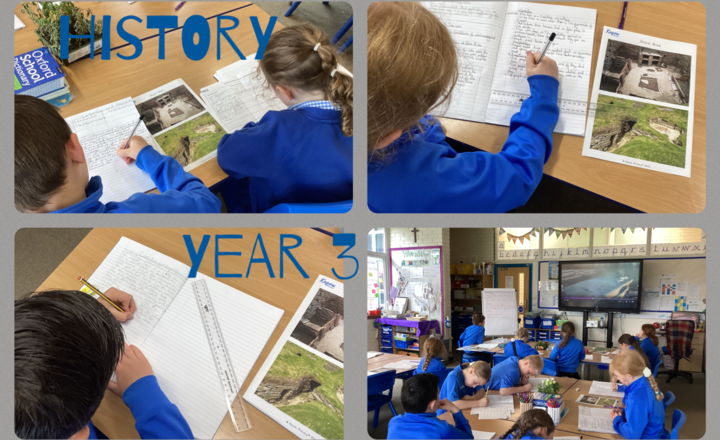
Year 3- History-Explain the limitations of archaeological evidence
Today in history, Year 3 explored the limitations of archaeological evidence using digital dwellings at Skara Brae. They examined a hearth in the middle of a room and discussed what they could see. They learned that clear evidence proves the object was a hearth, which they concluded was used for heating and cooking. They justified this by noting its central location and practical uses. The class completed three columns: one with certainties (e.g., the hearth and the Neolithic people hunted, they used the antlers from deer for making tools and jewellery, another with possibilities (e.g., a place to clean yourself or sleep), and a third with their questions about Skara Brae. They also watched clips and learned that Skara Brae is located on the Orkney Islands, off the north coast of Scotland and was the home of a Neolithic farming community.
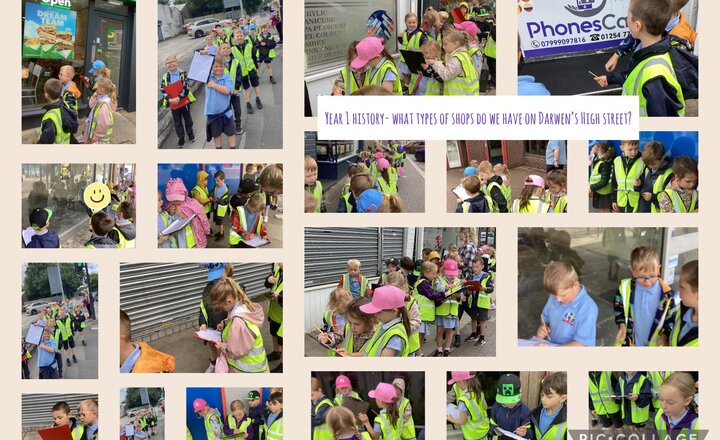
Year 1 History- What types of Shops are on Darwen’s High Street?
As part of their history unit, Year 1 are comparing Darwen’s high street in the 1950s to present day. This morning, they went down to Darwen Town Centre to explore the types of shops that there are on Market St and Duckworth St and tally the types of shops that they could see e.g. pharmacy, supermarket, takeaway/cafe and charity shop. They noticed that there are a lot of takeaways, hairdressers, barbers and beauticians in the present day compared to none that we could see on the photographs of the 1950s, they noticed that there were more banks in the 1950s and there were a lot of tailors and shoe shops in the 1950s compared to none that we could find today.
.png)
Year 3- History- Creating timelines
Year 3 created a history timeline using a toilet roll, with each sheet representing 100 years. This activity helped them visualise how long ago prehistory was. They also learned how BC and AD divide history into distinct periods. Some of the events that they were fascinated about were 'The Invention of the Printing Press (Around 600 years ago)' and the Internet was invented, (1980-1990s) which changed how people communicate, learn, and share information. Today, we use the Internet for almost everything!
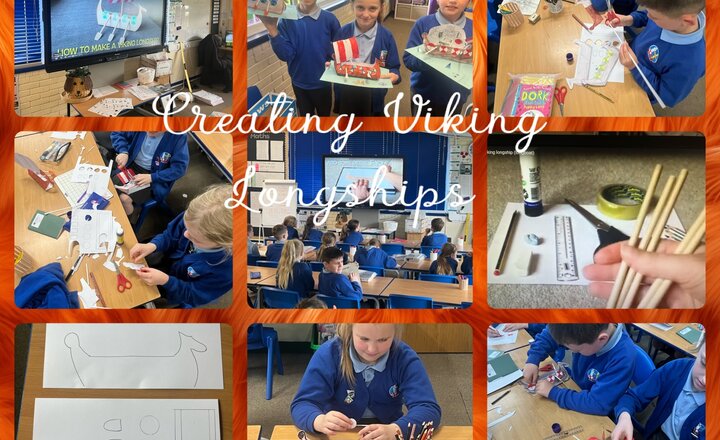
Year 4 Designing and Making Viking Longships
What a great ending to our History unit on The Vikings. Today we created our very own Viking longships and the children were really enthusiastic and creative. It has been wonderful to see how much they have learned about this topic and how they have created lots of cross curricular pieces of work around it.
.png)