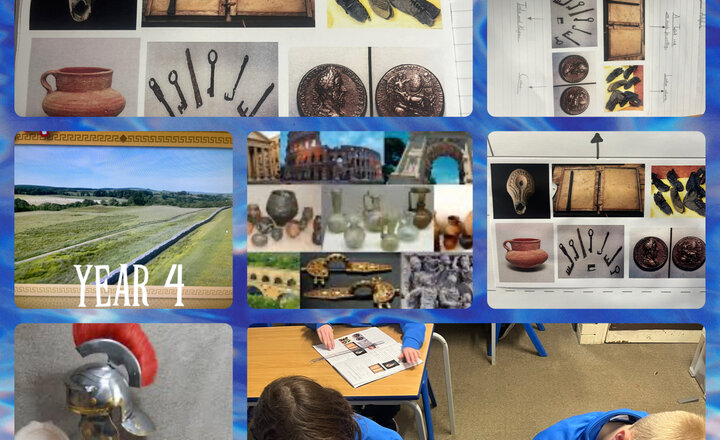
Year 4 Roman Britain - Did we guess what the artefact was?
Following on from last week’s lesson when the children attempted to identify various Roman artefacts, the children found out what each individual item actually was. Not many of us guessed that artefact 1 was an oil lamp as we actually thought it was either a vase or a toilet! Following on from this, we watched a Horrible Histories clip which highlighted what the Romans actually brought to Britain which included roads, walls, food including olives and wine as they didn’t like the beer that was most popular with tribes.
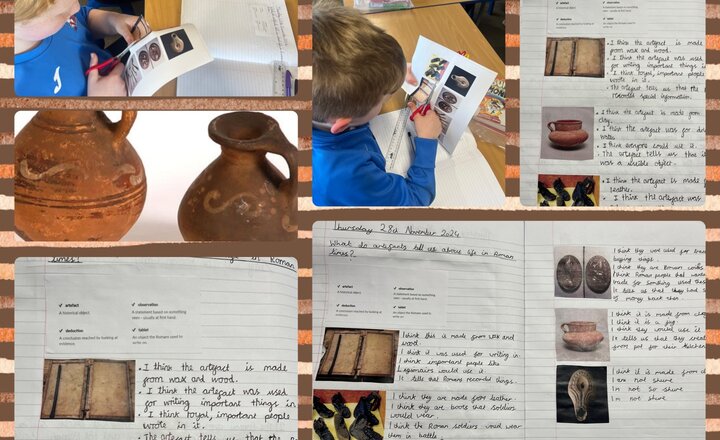
Year 4- What do artefacts tell us about life in Roman times?
In our fifth session on Roman Britain we focused on analysing artefacts. Our success criteria was to describe an artefact, make observations about the artefacts and make deductions about Roman life. The children looked at various objects answering questions about each and their answers were really detailed and thoughtful.
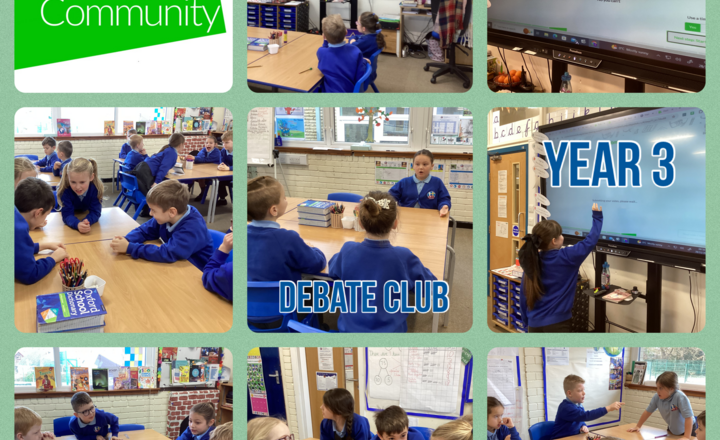
Year 3- Big Debate Club- Can you ever truly know what happened in history?
The children had a big debate about whether we can truly know what happened in history. Some said we can, because we have things like old letters and pictures, and scientists can figure out how old things are. Others said we can't know for sure, because sometimes things get lost or people might not tell the whole truth. It's a tricky question, and it makes us think about how we learn about the past.
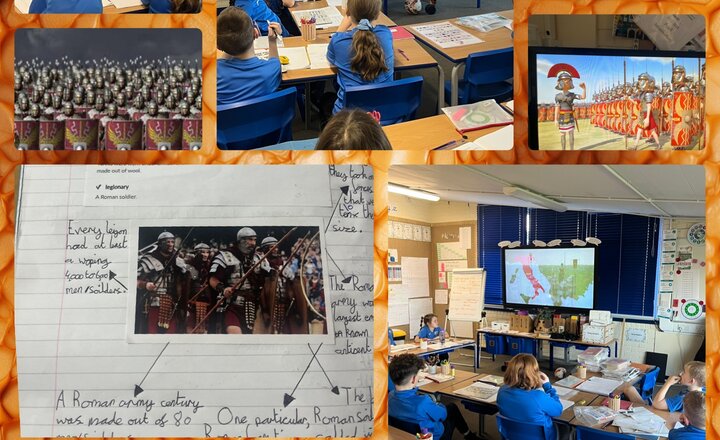
Year 4- Why was the Roman army so successful ?
The focus of our history lesson today was to find out why the Roman army was so successful. We looked at why the Romans needed a powerful army, identifying the equipment of a Roman soldier and Roman fighting formations. We learnt lots of new things including; that the Romans had the largest fighting force in the ancient world, they were the best trained, had the best weapons and were so good that even when they fought against armies that were ten times their size, they still won!
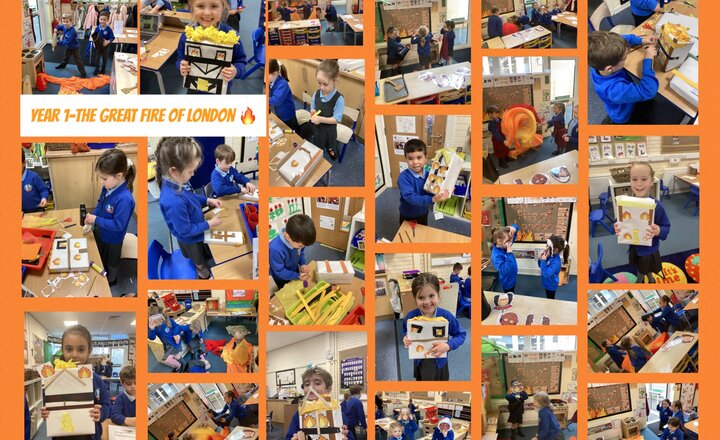
Year 1 History & Art- The Great Fire of London
This week in Year 1, we set the children a challenge to act out the Great Fire of London in our Role Play Area and decorate a Tudor style house in our Creative Area during their independent learning time. They absolutely rose to the challenge and wowed us with their knowledge of the Great Fire of London and their super drama and creative skills. Well done Year 1!
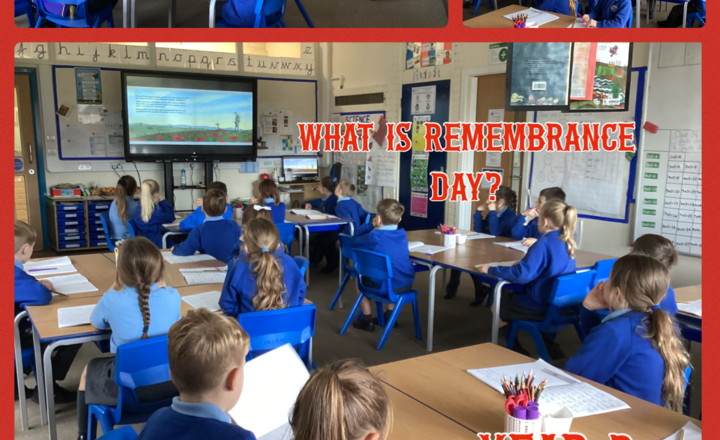
Year 3- Guided Reading-A Poppy is to Remember
For our guided reading session today, Year 3 listened to a story "A Poppy is to Remember" by Heather Patterson and Ron Lightburn. This story helped the children understand the significance of Remembrance Day and the symbolism of the poppy. We reflected on the sacrifices made by soldiers for peace, listening to John McCrae's poem, In Flanders Fields.
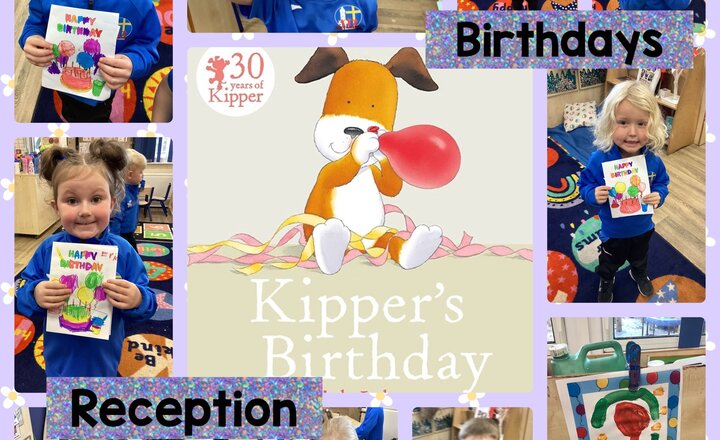
Reception: Birthdays
As part of our celebrations topic, we are focussing on birthdays this week. The children have enjoyed making birthday cards, birthday cakes, bracelets and birthday crowns too. They have been focussing on their fine motor skills to complete their challenges and also have been working really hard when writing their names. Well done!
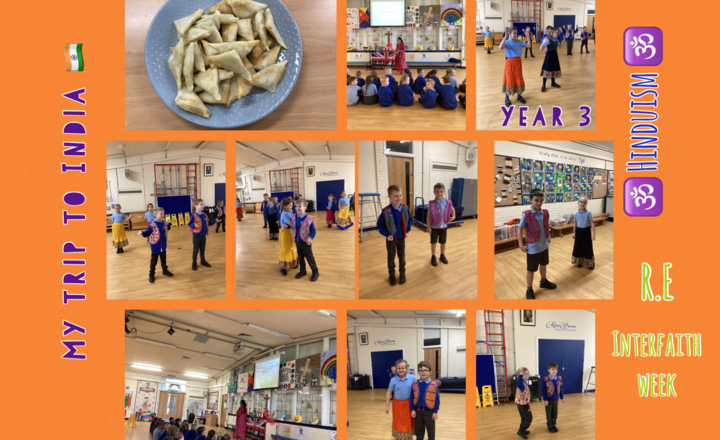
Year 3- Interfaith Week- Prag's trip to India- Hinduism
Year 3 celebrated Interfaith Week by learning about Hinduism. Prags, who was born in East Africa, shared her experiences of visiting India. She showed pictures of both traditional and modern parts of the country, highlighting its diversity. Prags also discussed the importance of recycling and her love for visiting sacred sites like the River Ganges and the Golden Temple. The girls then wore colourful, sequined skirts while the boys wore jackets and they all learned a dance routine together. The children asked insightful questions about the language and clothing and enjoyed trying the vegetable samosas that Prags brought in. It was great to learn about the traditions and religious beliefs of Hinduism.
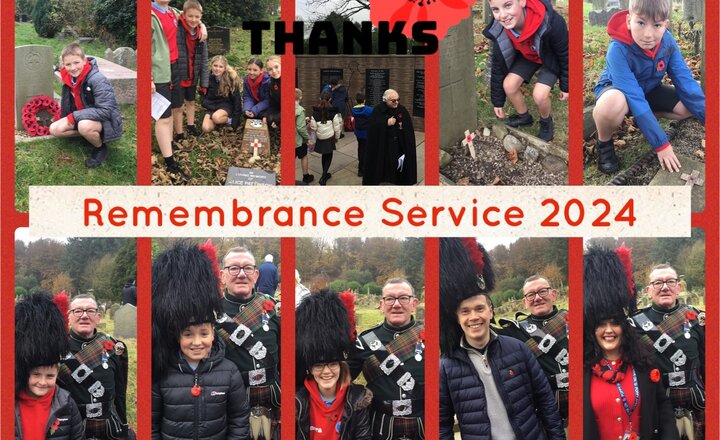
Darwen Remembrance Service
Our Year 6 class attended the Darwen Schools Remembrance Service this morning. They were so respectful when observing the two minutes silence and joined in the prayers with enthusiasm. Our head boy and head girl laid a lovely wreath that the class had created with Mrs Stanton which had special prayers for those who gave up their lives so that we could live ours. After the service we found out that the bagpiper used to attend St Barnabas when he was younger so he let us try on his hat. We then placed poppy crosses on our adopted war graves and took some time to say our own prayers for those who lost their lives in the wars. We also prayed for some of our children's loved ones who are buried in the cemetery. What a lovely morning of remembrance!
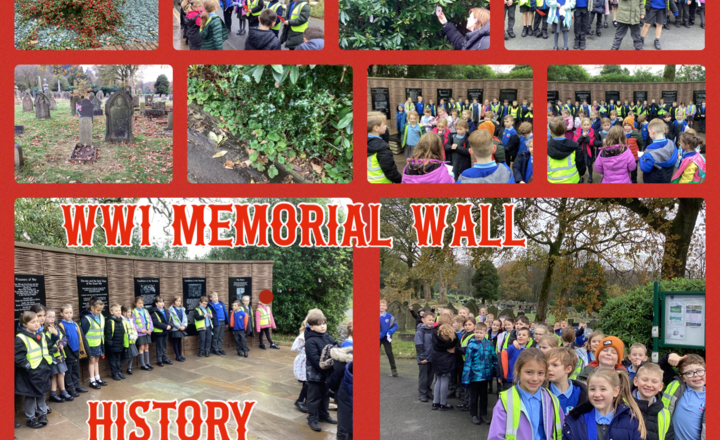
Years 2 and 3-Outdoor Classroom Day- Remembrance Walk
This afternoon, Year 2 and 3 celebrated Outdoor Classroom Day by walking up to the WW1 Memorial Wall in Darwen Cemetery. As they gathered at the memorial wall, they paused to remember the brave soldiers who fought in the War. They thought about the sacrifices made and the courage shown by those for our freedom. Isaac, Bobby Ray, Lyla, Renee Archie, and Heidi shared heartfelt prayers and poems, honoring the memory of those who gave their lives for our country. As they walked back to school. they appreciated God's creation, the beauty of the trees, and the sweet songs of the birds.
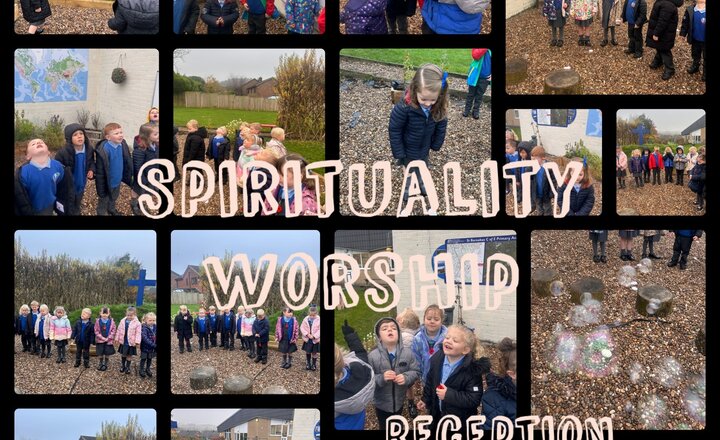
Reception: Visiting our Spiritual Garden
Today we are celebrating outdoor classroom day. Reception class are always on the go but we had a wonderful time to sit and reflect in our spiritual garden during our collective worship time. This serene outdoor space was perfect for our children to contemplate love, gratitude, and remembrance. The children were encouraged to reflect on the people they love to foster empathy and connection. The children said that they loved their family, friends and teachers. They also expressed gratitude for God’s beautiful creation, a reminder of the wonders that surround us daily. Beau said that she loved God, Ralphi said he loved the planet, Evie said she could hear the trees blowing in the wind and Oliver said he could hear the birds singing during our moments of silence. We then remembered our poppies and why we were wearing them. Will told everybody it was to remember the soldiers in the war. The class took a moment to remember the soldiers as a sign of respect. As a symbolic gesture, the children used a bubble machine to release bubbles into the sky to heaven. The children really enjoyed this spiritual experience and we are looking forward to the next time we can visit the garden.
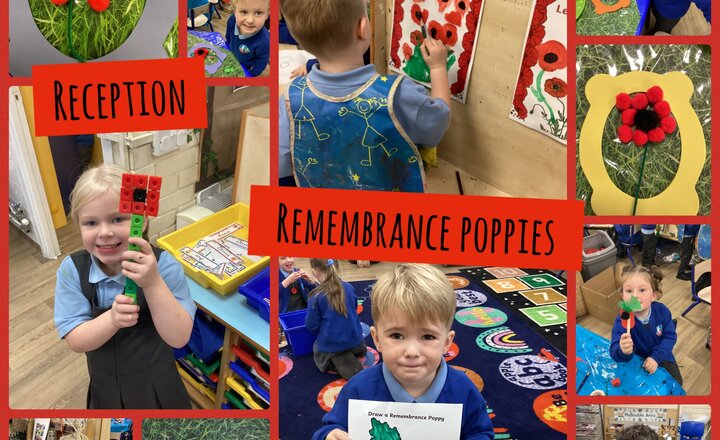
Reception - Remembrance Poppies
Reception have been super busy creating poppies in our different areas for Remembrance Day. We will be learning about why the Poppy is an important symbol and why this is remembered each year.
.png)