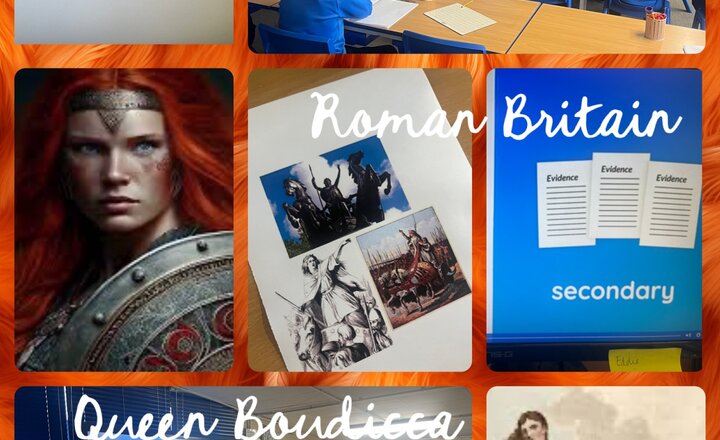
Year 4 - How did Britons respond to the Roman invasion?
In our history lesson, we continued to focus on Roman Britain. Today we were introduced to Queen Boudicca who was Queen of the Iceni Tribe when the Romans invaded. We shared both primary and secondary sources, discussing how these portrayed Boudicca in different ways. To finish the lesson we created visual representations of Queen Boudicca.
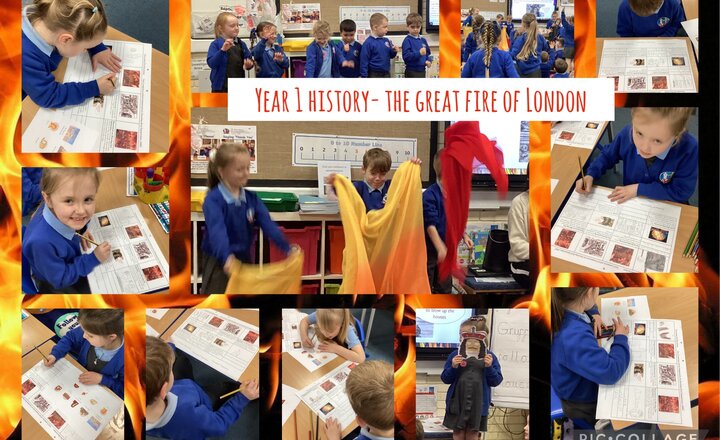
Year 1- The Great Fire of London
This week in history, Year 1 have been learning about the Great Fire of London. They have been learning about where London is, why the Great Fire of London was a significant event and what happened on 2nd September 1666 and the days following it. They did a fantastic job at listening to and acting out the story and then filling in the gaps to an incomplete story of the Great Fire of London. They are excited about being able to act this out independently in our role play area next week. Well done Year 1!
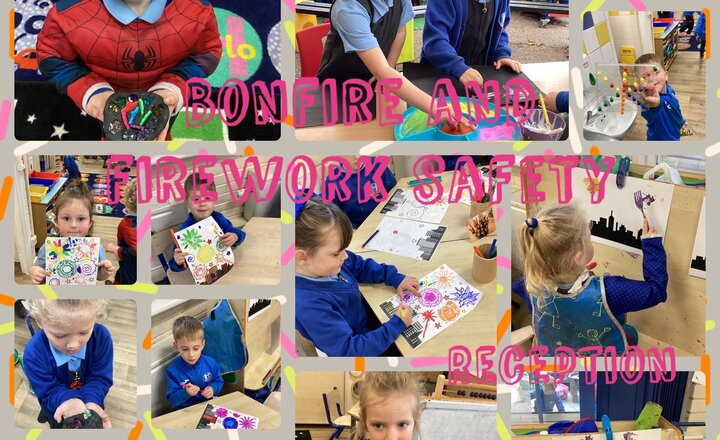
Reception: Bonfire and Firework Safety
This week the children in Reception have been learning all about Bonfire night. They learnt how Guy Fawkes planned to kill the king using gunpowder. His plan failed and we now celebrate Bonfire night to remember. The children have learnt how to keep safe around bonfires and fireworks. We then created bonfires using playdough and fireworks using pens, pegboards, sand and paint.
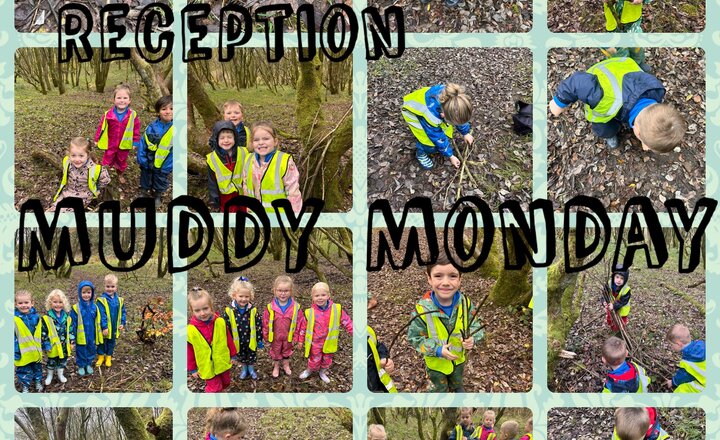
Reception: Muddy Monday
Today for Reception’s Muddy Monday session, the children walked to Jacks Key. To celebrate bonfire night, the children collected twigs, sticks and leaves to create their own bonfires. The children had to work together as a team and did a brilliant job.
Year 4- Why did the Romans invade Britain?
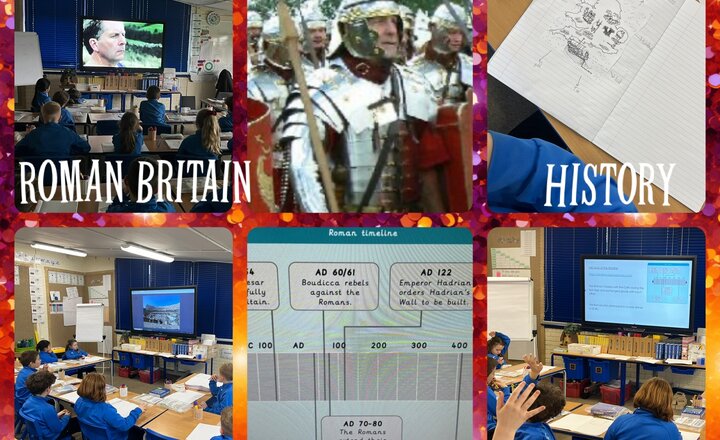
Today we started our new history unit ‘Romans in Britain’. We looked at what an invasion is and explored vocabulary such as empire, celts, enslaved and chronology. The children highlighted key dates on a timeline from 55BC when Julius Caesar unsuccessfully invaded Britain, right up to AD 410 when the Roman army left. Finally we looked at the key reasons for the Romans wanting to invade Britain which included sourcing metals, natural resources and better farmland.
Year 4 - English: Researching Pompeii
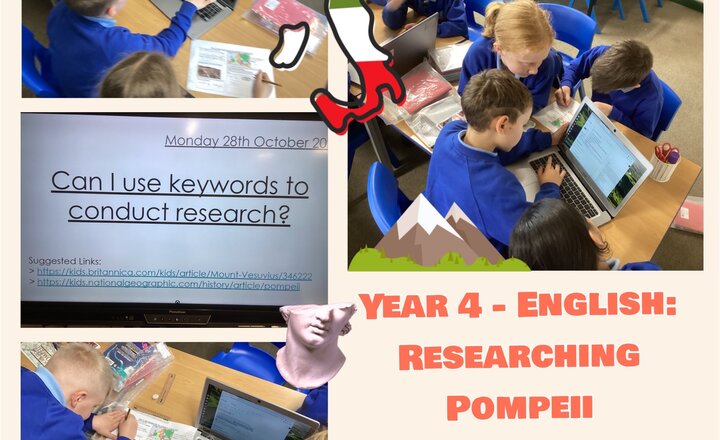
It’s a new term and the start of a new English topic. All of our English this half term is based on the Romans, starting with a story with a historical setting - Escape From Pompeii. We began our topic by conducting keyword searches in order to find out a bit more about Pompeii back in 79AD and the eruption of Mount Vesuvius.
Year 5 - History
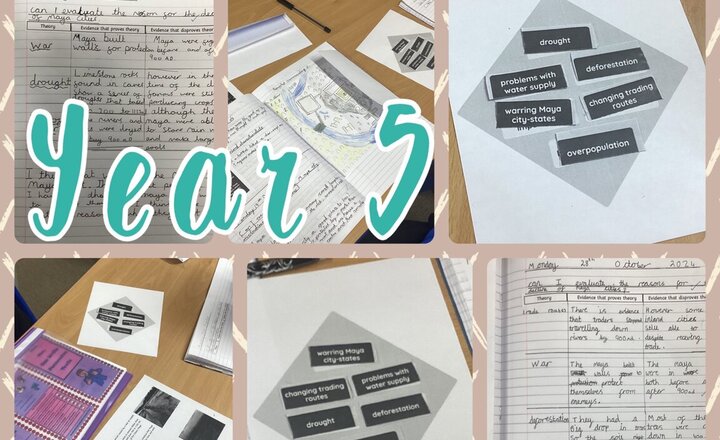
This week, Year 5 stepped into the role of historians to explore the fascinating decline of the Mayan civilisation. The children examined multiple theories as to why this once-thriving society no longer exists, including deforestation, overpopulation, breakdown of trade routes, warfare, drought, and water shortage. After investigating each possibility in depth, the children ranked these theories in groups and conducted further research to determine what they believed to be the primary cause. It was an engaging way for them to develop critical thinking skills, analyse historical evidence, and consider the complex factors that contribute to the rise and fall of the Mayan civilisation.
Year 3- English- History-Understanding Mummification Through Experiment
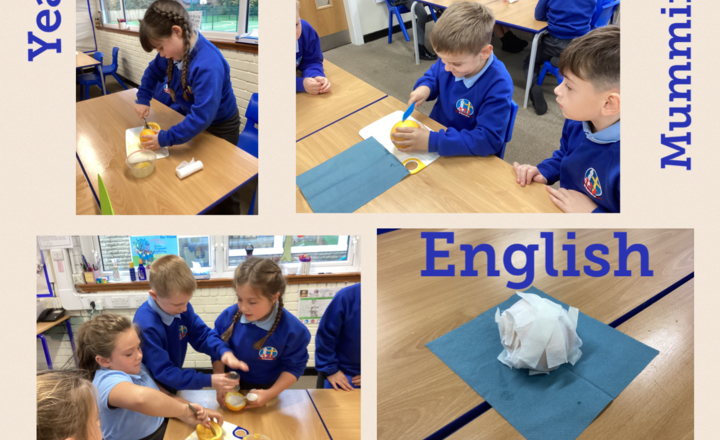
In History, this afternoon, Year 3 continued their learning on the Ancient Egyptians with a writing stimulus focused on mummification. To support their writing unit, where they’ll explain the mummification process, the children “mummified” an orange. They cut the orange in half and removed the inside (representing the internal organs), then carefully dried it using a mixture of salt and baking soda. After removing the insides of the orange (just like the Ancient Egyptians removed internal organs), the children carefully dried the inside of the orange using salt and baking soda. This mixture acted like the natron salt the Egyptians used to preserve bodies by drawing out moisture. Next, they filled the orange with more salt and baking soda to prevent decay and dryness. Finally, they wrapped the orange carefully in strips of cloth to resemble linen bandages, just as the Egyptians would have wrapped their mummies. Over the coming days, the oranges will be left to sit, allowing the "mummification" process to take effect. The children will observe any changes and use this experience to help explain the process of mummification in their upcoming writing unit.
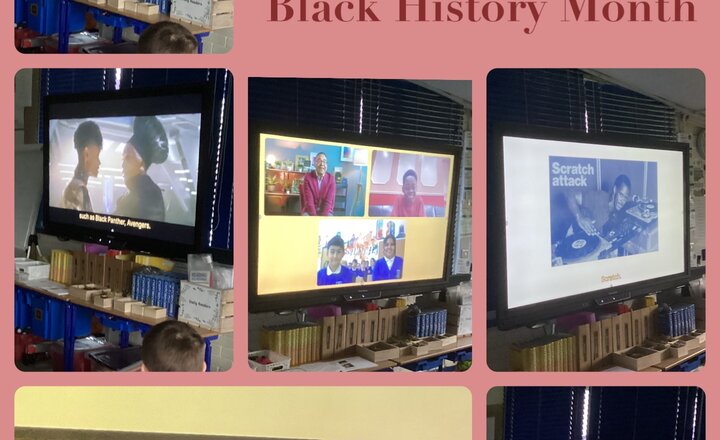
Year 4 - The Great Big Live Assembly
On Tuesday morning, Year 4 joined the rest of the school and over 1000 other schools across the country for the Great Big Live Assembly online. The assembly was a celebration of Black History Month in which we heard from various black celebrities as they talked about people from the black community who have inspired them. There was a quiz about historical figures and a short interview with children from a UK primary school who said we should all be proud of who we are.
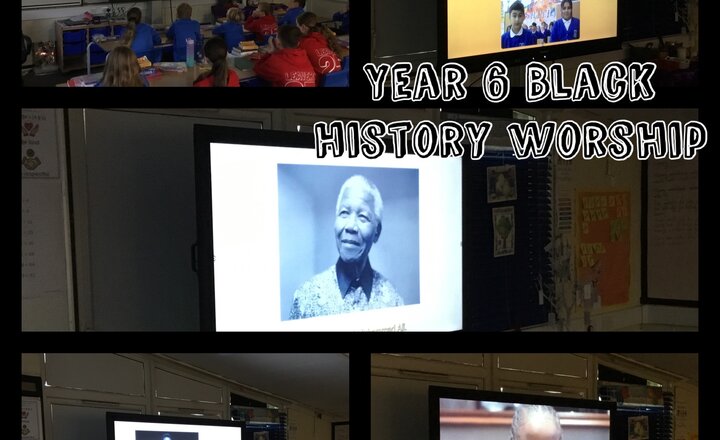
Year 6 - Black History Month Worship
Year 6 took part in a worship, that schools across the country joined, to celebrate ‘Black History Month’. We discussed how we can ensure that all children feel welcome in school and explored some inspirational figures. One Individual that stood out to year 6 was Ruby Bridges. She is an American civil rights activist who attended a formerly all-white school at the age of 6. Despite having to be escorted into school and jeered at daily, she battled adversity in order to get the best possible education for herself.
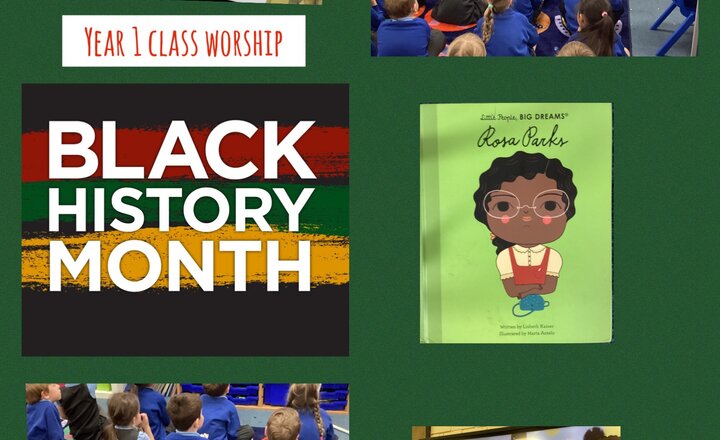
Year 1 Class Worship- Black History Month
This week in Year 1, we have listened to the stories of some extraordinary people in Black History. We watched a video about Olaudah Equiano who worked as a slave for many years before buying his freedom. We learnt that once he was freed, he was incredibly brave and fought for black slavery to be abolished. We also learnt about an inspirational man called Laurie Cunningham who fought against many challenges to become one of the first black footballers to play for England. Finally, we read a book about Rosa Parks who was a very courageous woman who made her famous stand (while sitting) on the bus, helping to bring about freedom and equality for black people. Year 1 are looking forward to reading more of the ‘Little People, Big Dreams’ books.
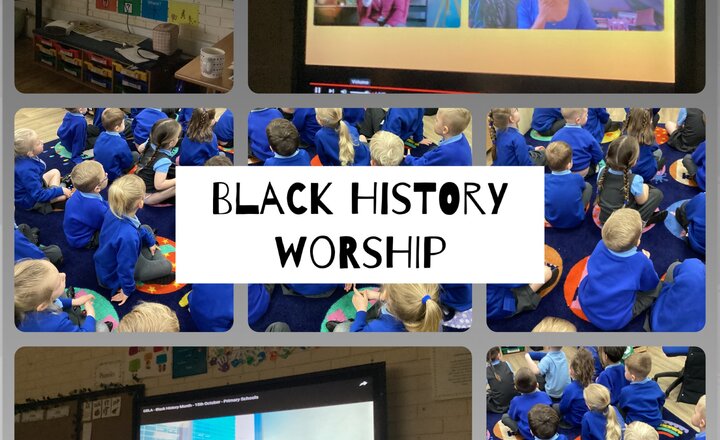
Reception: Black History Month Worship
Today we joined the Great Big Live Assembly all about Black History Month. The children found out that lots of people of colour do not feel safe in the place that they live.There are lots of black heroes such as Saka the footballer and Krish a television presenter who have gone on to be extremely successful regardless of the colour of their skin. We ended our worship with a prayer all about treating everybody equally no matter the colour of their skin. The belief that everybody deserves to feel safe and happy. It is important to make sure that everybody feels special and valued.
.png)