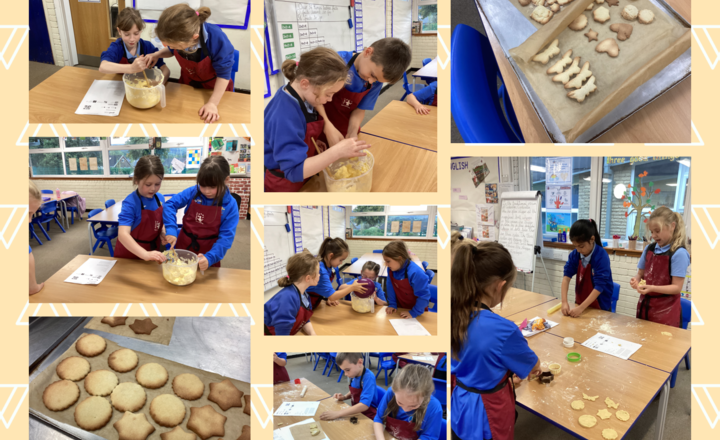
After-School Foodie Friends Club- Mouth Watering Shaped Biscuits
During our after-school foodie club today, the children had fun turning into little bakers, making all kinds of shaped biscuits. They even got to use their maths skills, carefully weighing out the butter, sugar, and flour on the scales. Cracking an egg was a highlight before mixing everything into a soft dough. It was wonderful to see them helping each other roll it out and using shape cutters to create stars, hearts, flowers, and bunny rabbits. Once baked in the school oven, they packed their biscuits into little paper bags to take home and share with their families.
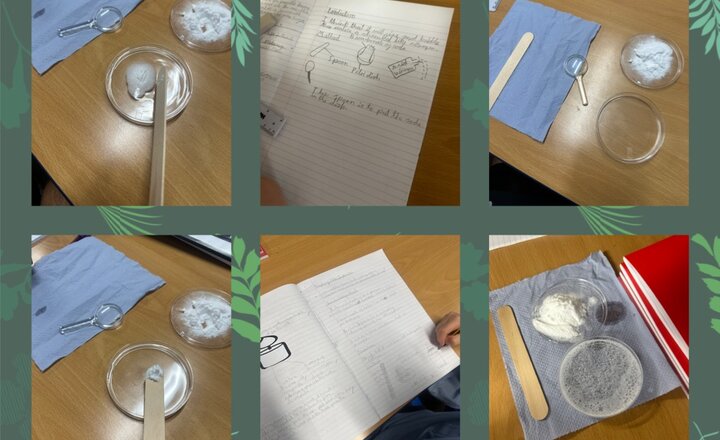
Year 5 - Irreversible Changes
This week, Year 5 explored the fascinating chemical reaction and irreversible change that occurs when vinegar is mixed with bicarbonate of soda. During their experiments, the children observed how the mixture produced a gas, resulting in bubbling and fizzing as carbon dioxide was released. They noted that the original substances could not be recovered, making this a clear example of an irreversible change. After conducting the experiment, the children wrote detailed reports, describing their observations, the chemical reaction involved, and why this reaction cannot be reversed. It was an exciting hands-on lesson in science, reinforcing the concept of irreversible changes in a fun and engaging way.
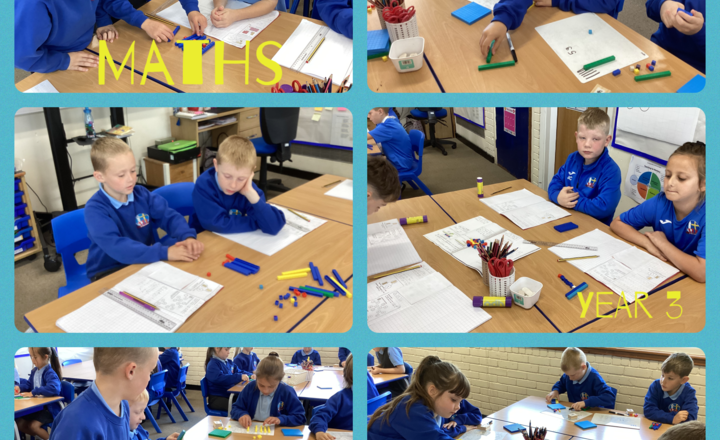
Year 3- Maths- Place value
This week in maths, Year 3 have been using concrete resources to help them partition numbers up to 100 and represent numbers up to a 1000.
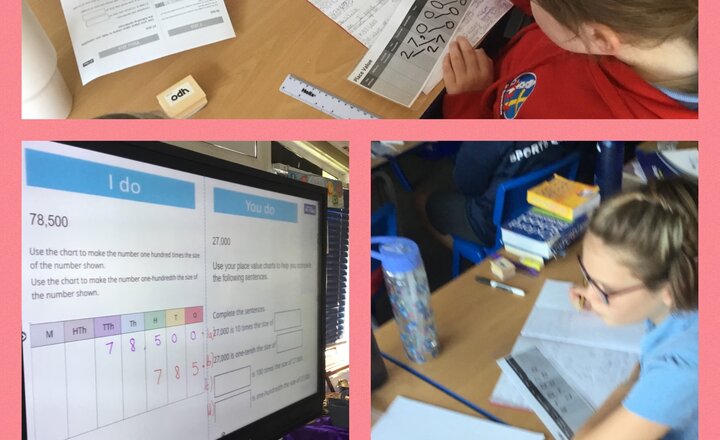
Multiplying and dividing by powers of 10
In year 6, we have been developing our place value knowledge and moved onto multiplying and dividing by powers of 10. We discussed what happens to the digits in numbers when they are multiplied and divided by 10, 100 and 1000.
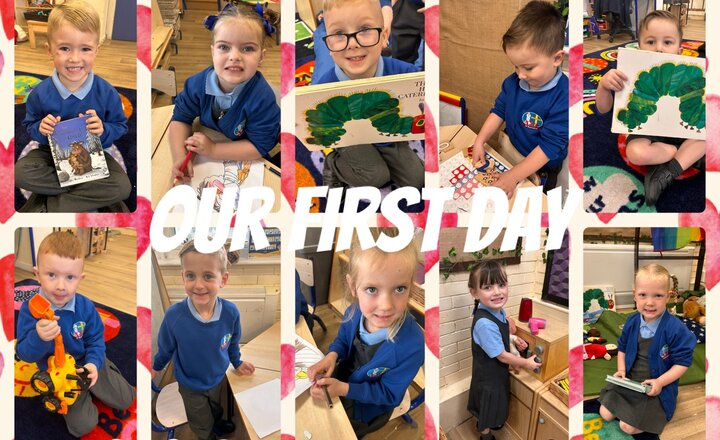
Reception: Our First Day Group 1
This morning we welcomed our first group to Reception. They were superstars and settled in really well. They enjoyed exploring our indoor classroom today. We are so glad they have joined our St Barnabas family.
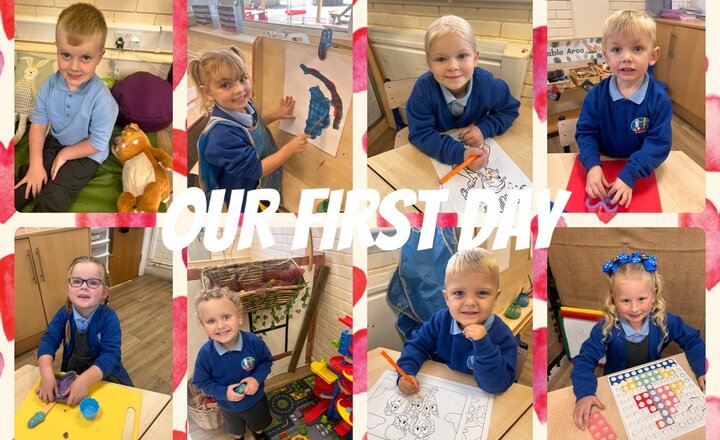
Reception: Our First Day Group 2
This afternoon we welcomed our second group to Reception. They were superstars and settled in really well. They enjoyed exploring our indoor classroom today. We are so glad they have joined our St Barnabas family.
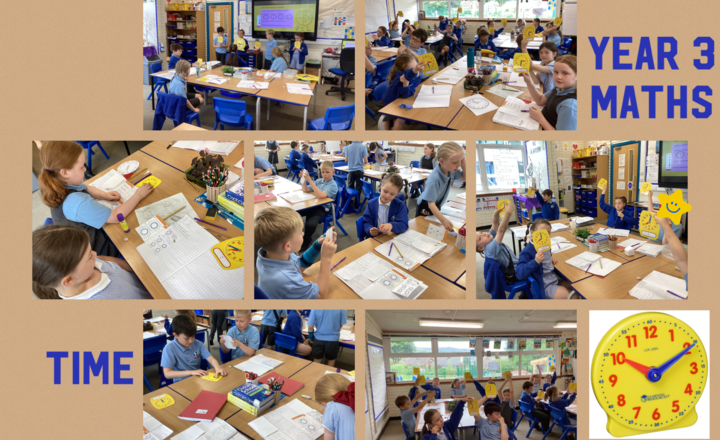
Year 3- Maths- Tell the time to 5 minutes
In maths today, Year 3 focused on using analogue clocks to tell the time to the nearest 5 minutes, building on their learning from Year 2. To start, the children recapped that there are 60 minutes in an hour. With this knowledge, they explored why quarters of an hour are equal to 15 minutes and why the 12 intervals around a clock face each represent 5 minutes. Partitioning the clock vertically from 12 to 6 helped the children visually recognise whether a time is past or to the hour. As in the previous lesson, the children used analogue clocks with moveable hands to physically make different times. Additionally, the children tested their partners by setting different times on their clocks and asking their partners to read the time.
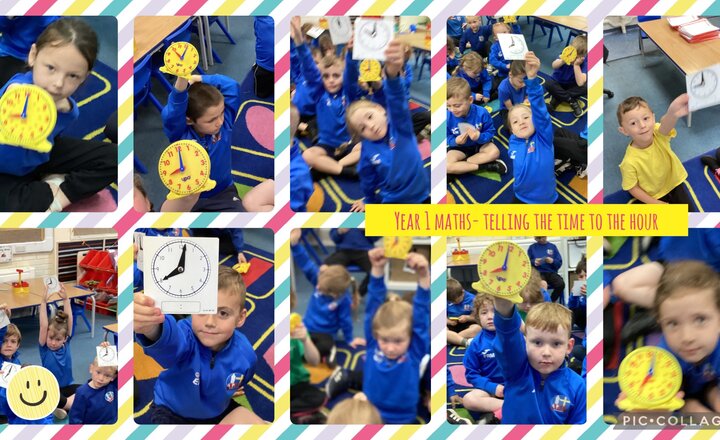
Year 1 Maths- Telling the time to the hour
This morning in Year 1, we have been learning to tell the time to the hour. We made various o’clock times e.g. 6 o’clock, 2 o’clock, 9 o’clock and 11 o’clock and then we made various o’clock times using clues such as the time that we go to bed, wake up in the morning and have our dinner.
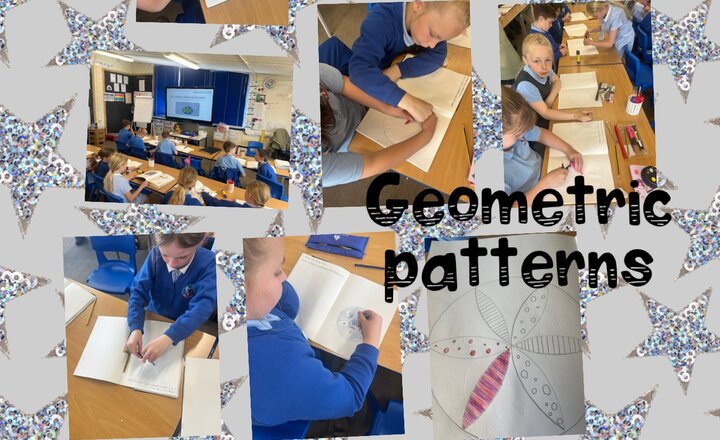
Creating Geometric Patterns in Year 4 Art
In this session, the children used a compass to draw a circle. They then chose the outline of the circle to draw over the top to create a flower style pattern. Using the compass was super tricky, but they soon grasped the hang of it and produced some lovely colourful and unique geometric patterns.
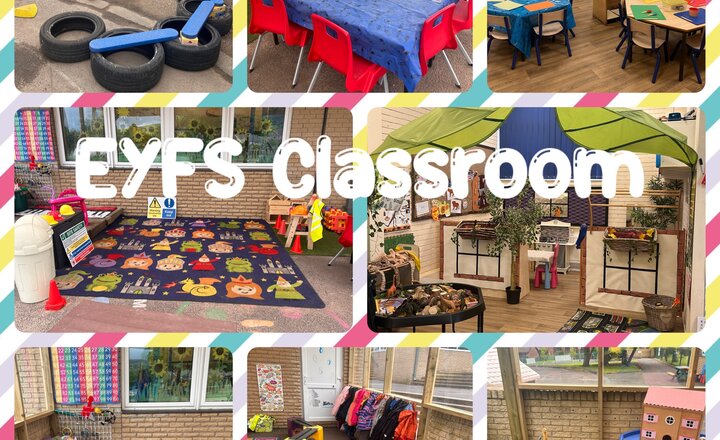
Reception: Our New Classroom
The children in Reception have loved our new outdoor canopy that was built last week. This has extended our classroom to provide an outdoor area that the children can access in all weathers. Our indoor classroom has also had a refresh and the children have loved exploring all of the areas!
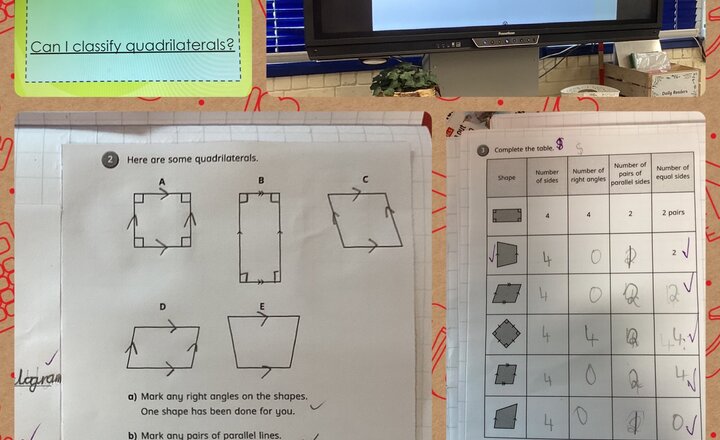
Year 4 - Maths: Quadrilaterals
We are currently working on shape in maths, and we began the week by defining and classifying quadrilaterals. There were a few tricky examples and non-examples thrown in to test us, but we used our knowledge of the shapes’ properties to work out which were quadrilaterals and which weren’t.
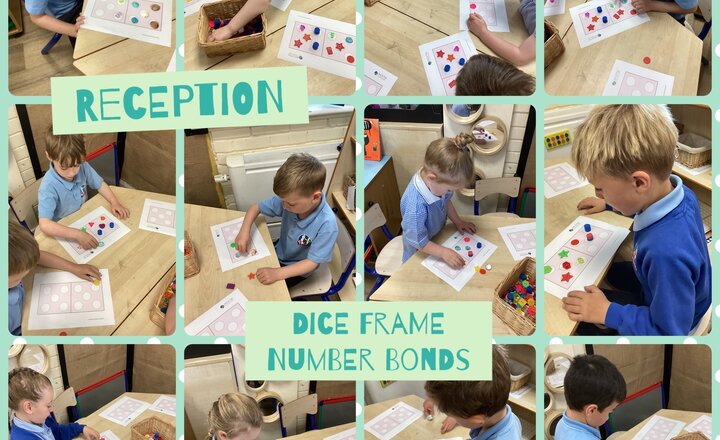
Reception - Dice Frames and Number bonds
Reception have been using the dice ten frame to look at number bonds to 10. They picked a handful of different objects and used the frame to see how many they had and how many more they needed to make 10.
.png)