.jpeg)
Reception: Muddy Monday
Our Reception explorers had a fantastic time during today’s session at Whitehall Park. It was a joy to see them immersing themselves in nature and building so much confidence in the great outdoors. Today, we took a moment to ask the children what they love most about their woodland adventures, and their answers perfectly captured the spirit of the morning. Chester told us that he loves climbing trees and collecting twigs to create fires, while Coban shared that he really enjoys the process of making fires too. In the heart of the trees, Bowen explained that he just enjoys playing in the woodland, while Max was busy building dens and Poppy told us she enjoys making bug houses for the little creatures. The session was also a wonderful chance for discovery; Erin mentioned how much she enjoys finding all the different leaves, and Alfie told us he loves to dig for treasure that nobody can find. Luna highlighted the social side of our trips, saying, "We love to talk about what we can see outside with our friends." Of course, it wouldn't be a true session without a bit of mess—Indie happily told us she simply enjoys getting muddy! It is wonderful to see our class growing so much through these outdoor experiences.
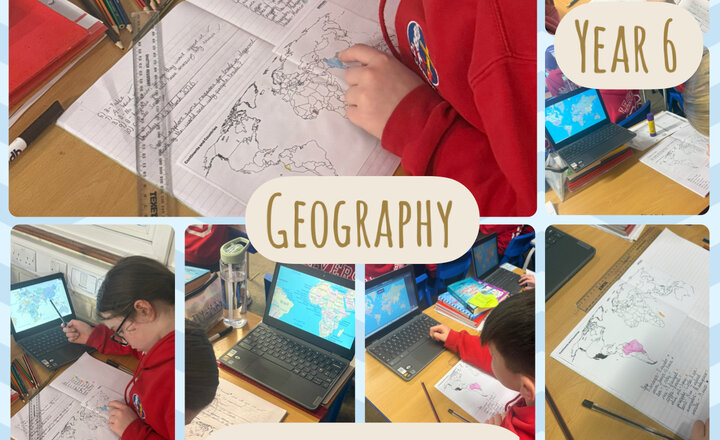
Year 6 - World Trade
Today, Year 6 began exploring the concept of global trade and how the United Kingdom is connected to other countries through the exchange of goods. The children investigated a range of different countries and identified the products they export to the UK. Through this, they began to understand how natural resources, climate, and physical geography influence what different countries are able to produce. The children then located these countries and coloured their own world maps using a key to show each product and its country of origin. This helped them to visualise the global distribution of goods and the extensive trade networks that connect continents and oceans. The activity also supported their understanding of imports, exports and trade routes, highlighting the scale and interdependence of the global economy. Towards the end of the lesson, the children began to explore the advantages and disadvantages of international trade. They discussed how trade can support economic growth, provide access to resources that are not available locally and create employment opportunities. They also considered some of the challenges, including environmental impacts, transport distances and the reliance countries can have on goods produced elsewhere.
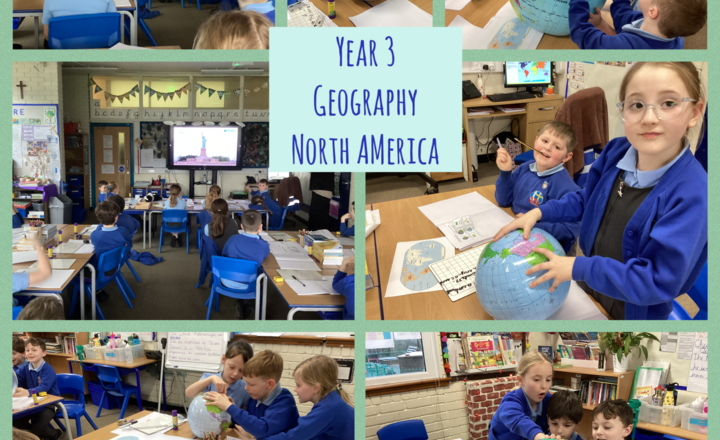
Year 3- Geography- Exploring North America
Today, we started a brand-new unit focused on the continent of North America. The geographers located North America on a world map, specifically mastering the use of latitude and longitude and outlining the continent's key physical features.
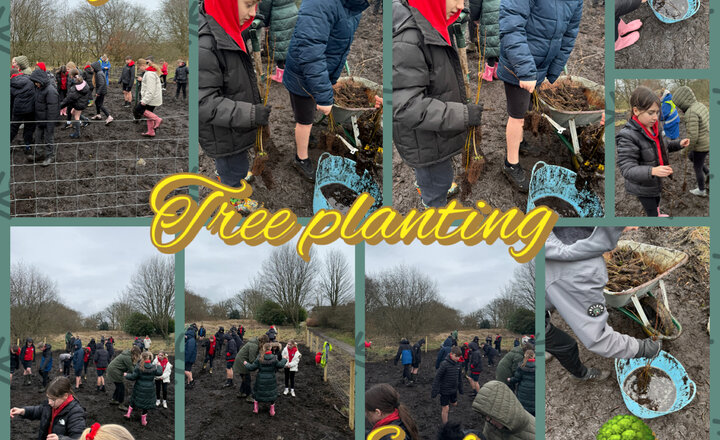
Year 6 - Tree Planting
Today, as part of our whole school sustainability project, Year 6 proudly contributed to the micro forest by planting a variety of trees in Jack’s Key with support from Lancashire County Council Treescapes and Blackburn with Darwen Borough Council. This exciting opportunity allowed the children to take positive action in caring for their local environment and to understand the important role trees play in supporting wildlife, improving air quality and tackling climate change. Working together in teams, the children carefully planted each sapling, learning about the different species and how they will grow over time. They showed fantastic teamwork, responsibility and enthusiasm throughout the activity. This hands on experience not only supports our school’s commitment to sustainability but also helps to create a lasting legacy for future pupils and the wider community.
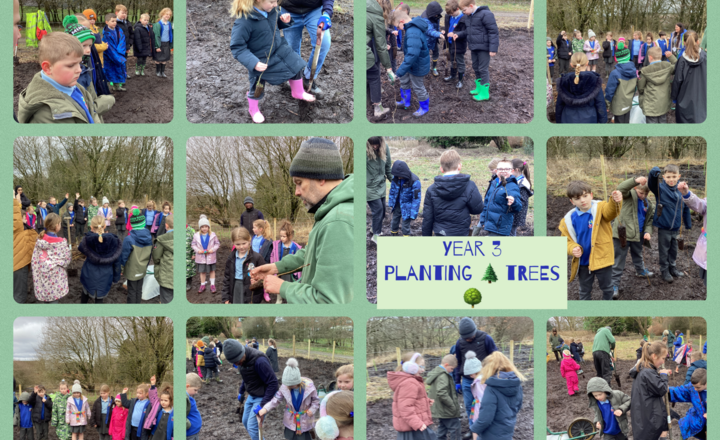
Year 3’s Microforest Adventure- Planting Trees
Year 3 are thrilled that our school is partnering with Blackburn with Darwen Council and the Lancashire County Council Treescapes team to create a brand-new microforest. The children had an absolutely fantastic time getting stuck into the soil! The planting team were genuinely impressed by the children's impressive knowledge of local trees and birds. We have some truly talented budding ecologists in our midst. The students showed such care and dedication while planting, and they are already buzzing with excitement to return and watch "their" trees flourish over the coming years. A huge well done to Year 3 for being such incredible ambassadors for our environment and for leaving a lasting green legacy for our community!
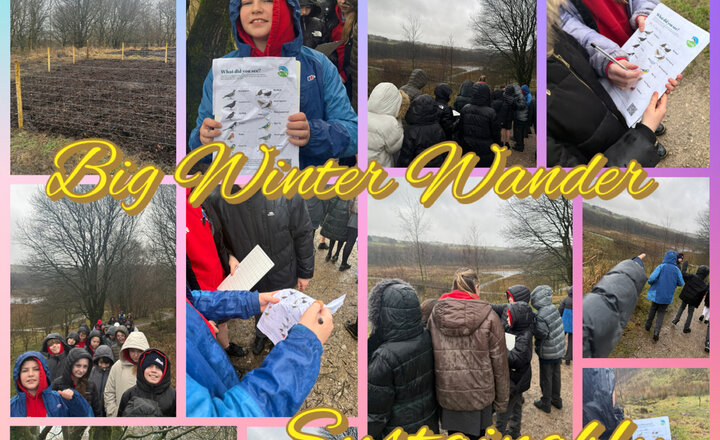
Year 6 - Big Winter Wander
As part of the Big Winter Wander, Year 6 enjoyed a walk around Jack’s Key, making the most of the crisp winter weather to explore our local environment. During the walk, the children carefully observed their surroundings and learned more about our whole-school sustainability project and the positive impact it aims to have on our community. The children took part in bird watching, using a tally system to record the number and types of birds they spotted. Among the species identified were wood pigeons, carrion crows, starlings, magpies and chaffinches. The children showed great patience and enthusiasm as they quietly observed and counted the wildlife around them. Once our micro forest is fully established, we plan to repeat this survey and compare the results. This will help us to see whether biodiversity has increased and whether our project has successfully created a richer habitat, providing food, shelter and safe nesting spaces for a wider variety of wildlife. Donations to WWF can be made here: https://socialsync.app/fundraiser/cr-nzymxvnokwdn?currentTab=feed
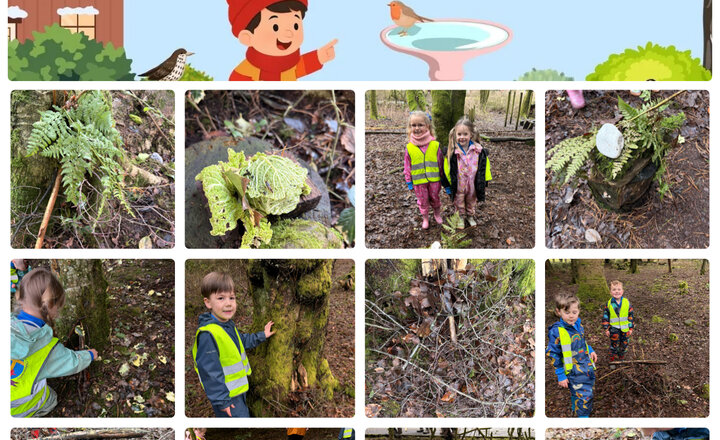
Reception: Muddy Monday
As part of the Ruby Robin Award, our Reception class participated in the "Craft and Care" challenge today. The children visited Whitehall Park to build bug houses using resources they collected themselves. We are incredibly proud of their hard work and creativity; we even saw some bugs starting to move into their new homes! Well done to our Reception class on a fabulous job.
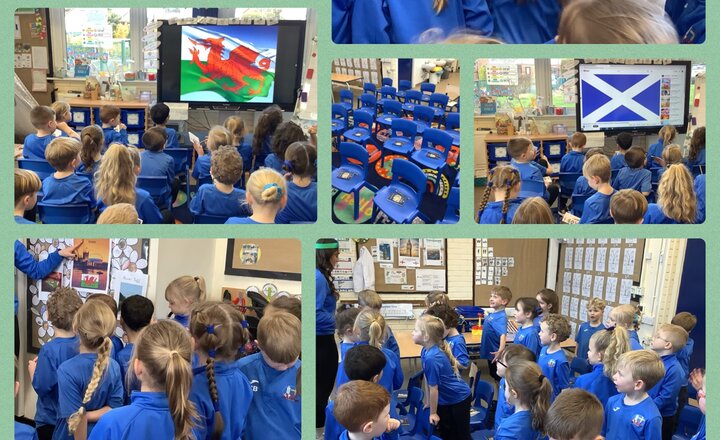
Year 1 Geography: Exploring UK Capitals
Today Year 1 flew around the United Kingdom to visit our capital cities London, Cardiff, Belfast and Edinburgh. Whilst on our airplane flying to the cities, we matched the countries (England, Scotland, Wales and Northern Ireland) to their flags in our passports. We also listened to each country’s National Anthem. When we arrived in our capital cities, we explored a human feature and a physical feature in each city. For example, in London we explored Big Ben and River Thames. To share our knowledge, we wrote postcards to Mrs Ham to explain where we had been on our travels and what they had learnt.
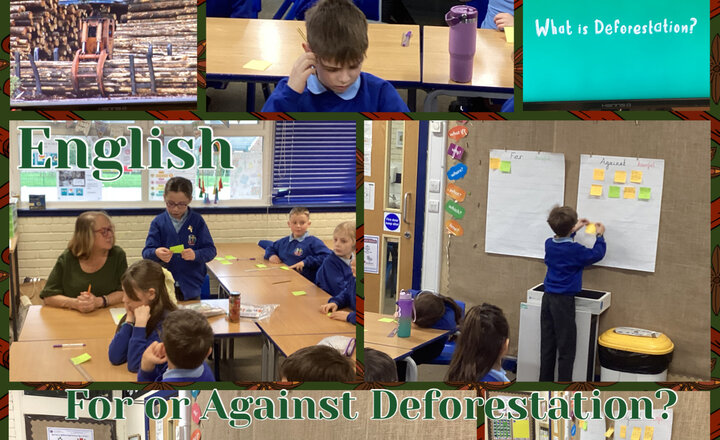
Year 4 - English: For or Against Deforestation?
This week in Year 4, we started our new English topic on debate texts and the children learned some facts about deforestation. First, they recorded a fact they learned from the video and decided if it was an argument for or against. They then worked in groups to consider whether the printed statements were arguments for or against. The children will be working up to writing their own debate texts, forming a balanced argument.
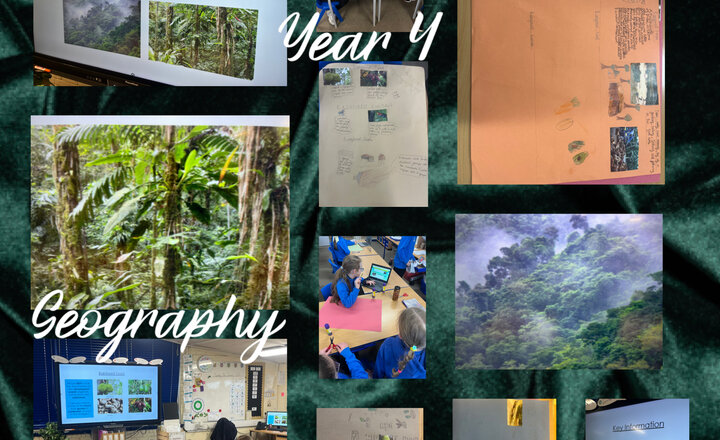
Year 4 Geography - Features of a Rainforest
Our geography lesson this week focused on the features of a rainforest. The children researched three key areas; Rainforest people, Rainforest food and Rainforest Animals. They focused on both The Amazon and Congo rainforest s. Working in groups, the children produced some super posters which they presented to the rest of the class at the end.
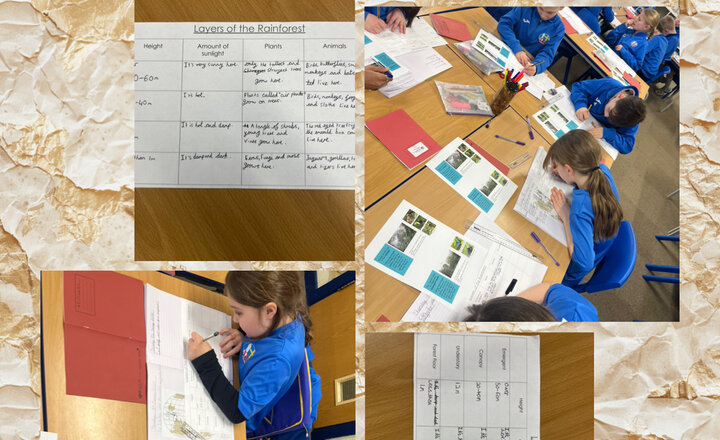
Year 4 Geography - Rainforest Layers
In our Geography lesson we have been looking at the layers of a rainforest. The children identified the four layers as the forest floor, the understory, the canopy and emergent layer at the very top. Using their enquiry skills they researched the climate, plant and animal life and height of the trees at each layer.
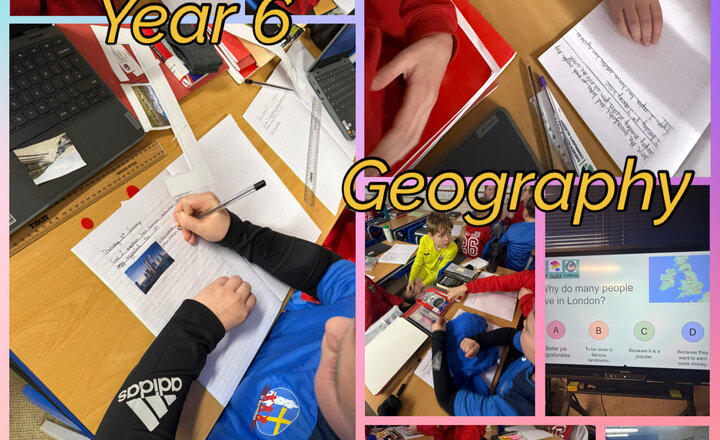
Year 6 - Geography
Today in Geography, the children began the lesson with a diagnostic question exploring why people might choose to live in London. Using talk tokens, they practised their oracy skills by sharing ideas, listening carefully to one another and building on responses within their groups. This supported thoughtful discussion and helped pupils justify their opinions. The lesson then moved on to exploring how human activity has shaped and changed the landscape. The children examined key concepts such as urbanisation, agriculture and erosion management, considering both the positive and negative impacts humans can have on the environment. They used examples to deepen their understanding and made links to real-life locations, developing their geographical vocabulary and critical thinking skills throughout the session.
.png)