.jpg)
Year of Prayer and Singing Worship
What an uplifting and joyous way to start a Monday morning practising 'When I think about the cross' and the new upbeat Easter song from Pop Uk called 'He is alive'. We loved putting our own actions to the song and Year 6 modelled enthusiastically at the front, encouraging everyone to join in. We also introduced the Year of Prayer in classes for this week which involves everyone eating hot cross buns, which Mrs Ham brought in. We then said had our special Year of Prayer prayer for this week which thanked Jesus for praying for us just before he died and for always loving us and being there to hear our prayers.
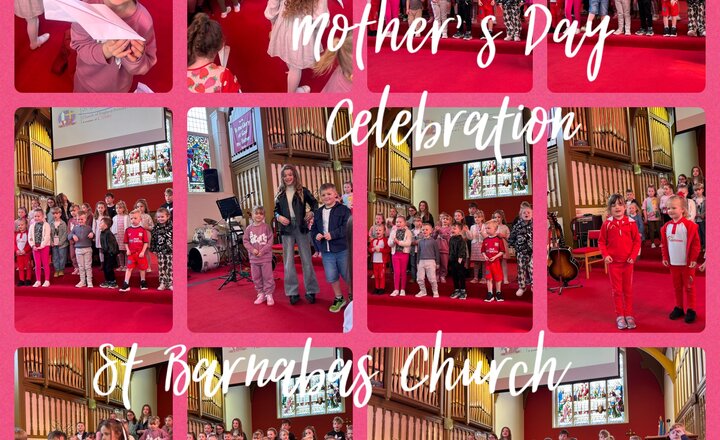
Mother's Day Worship at St Barnabas Church
A huge thank you to the children who came to sing at the Mother's Day Service at St Barnabas Church. You were all wonderful and really made everyone smile with your singing and beautiful words about your Mummies. Thank you to parents, grandparents, aunties and uncles who came to watch too and for bringing the children so they could represent St Barnabas. Thank you to Mrs Araujo, Mrs Gardner and Mrs Hegarty for coming to support the children too and thank you to Rev Ben for inviting us to sing and for making us all feel so welcome. Photos and videos can be found here: https://stbarnabasdarwen.co.uk/photo-galleries/mother-s-day-celebration-at-st-barnabas-church Wishing all of our families a Happy Mother's Day, Mrs Wilkinson
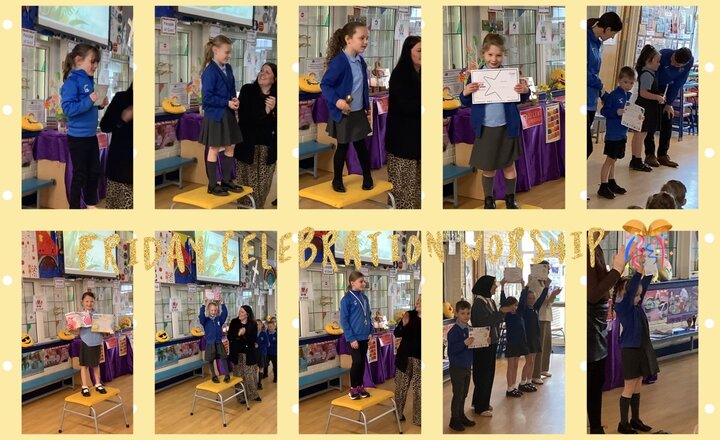
Friday Celebration Worship
Today, we started our celebration worship by signing the trinity and reflecting on another extremely busy yet wonderful week in school. We have been extremely busy preparing for Easter in our RE lessons and in collective worships with Mrs Ham and Rev Matt, Reception led a very special worship and FOSB hosted a lovely coffee morning on Wednesday morning to celebrate Mothering Sunday, Reception and Year 1 contributed to ‘The Big Lent Walk,’ we have had enjoyed a variety of wonderful lunchtime and after schools clubs and Year 5 enjoyed a bikeability session. We then said a huge thank you to you all for continuing to support ‘THE BIG LENT WALK.’ So far, we have walked 1518km and raised £114. However, we really believe that we can surpass this. Please let either Mrs Wilkinson or Mrs Ham know if you have walked anywhere and please send photos if you can. This is a great way of giving back during Lent and supporting our mental health and well-being. We then moved onto congratulating this week’s individual value award winners. Well done to Archie, Vienna and Molly in EYFS and KS1 and Isaac, Darcy, Talia and Jake in KS2. Well done to these children for demonstrating great resilience, respect and kindness. Furthermore, we congratulated Carmen in Year 4 for working hard to achieve her pen license, our Year 2 and Year 4 class for being our attendance winners this week with 99.2% and 99.3% attendance, Darwen Tower as our value award winners this week with 278 points and our Year 5/6 Cross Country Team for demonstrating great resilience, determination and respect in the Darwen Primary Schools League Cross Country Event at Witton Park last night. We then moved on to congratulating our out of school award winners. Well done to Thea for swimming 10m, Eleanor for achieving a Rainbows agility badge, Maggie for being a fantastic Rainbow and working hard toward her gold badge, Lyla for demonstrating great skill in her acro, Harry for being the ‘Trainer of the week’ for fantastic tackling at football, Naomi, Martha and Scarlett for making their Brownie promise at the weekend, Marley for achieving her Stage 3 and 10m swimming certificates, Isaac for achieving ‘Player of the Day’ for scoring the winning goal in a recent football game and being the ‘Player of the Week’ at Soccer HQ, Sofia for being awarded her birthday badge at Rainbows, Isabella for achieving ‘Player of the Week’ for her super dribbling at football, Summer for receiving a 1st in a recent gymnastics competition as part of a duo, Daisy for demonstrating great skill in a recent gymnastics competition, Tristen for being awarded his green belt in kickboxing, Carmen and Renee for being awarded their white belt in kickboxing and Lydia for being the ‘Star of the Week’ at EdStart gymnastics club. To end our worship, Mrs Ham invited us all to join a special Mothering Sunday Worship at St Barnabas Church on Sunday at 11am. Then, we all had a singalong to ‘Give Me Oil in My Lamp.’ We wish you all a lovely and restful weekend.
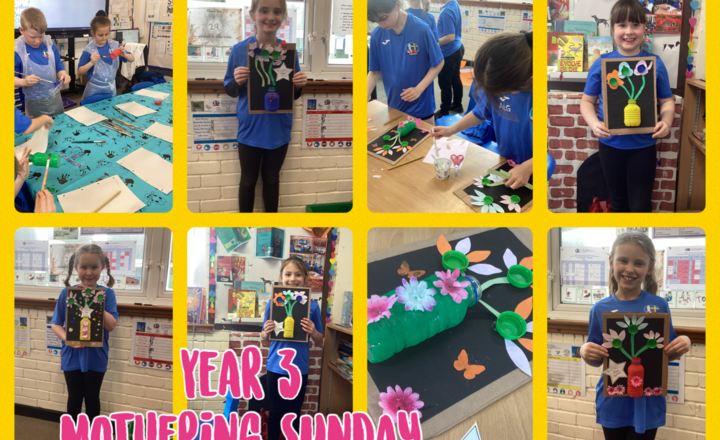
Year 3- Art-D.T- Recycled Bottle Art
For Mothering Sunday, Year 3 transformed recycled plastic water bottles and lids into a work of art for their special someone. They painted the bottles with acrylic paint, imagining them as miniature vases, and then added hand-drawn flowers and stems to complete their designs.
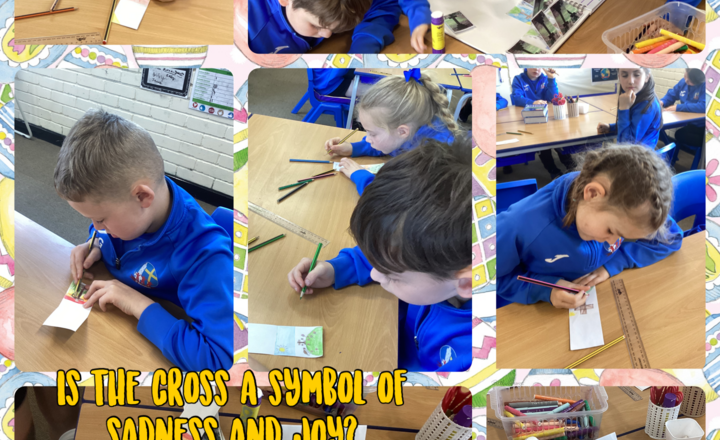
Year 3- R.E- The Cross: A Story of Sadness and Joy
Today in RE, Year 3 explored the cross using flap books. They started with a dark-coloured cross on the top flap, showing the sadness of Jesus's crucifixion. By lifting the flap, they revealed a bright, joyful cross underneath, symbolising his resurrection. This hands-on activity helped them understand how the cross can show both the sadness of Good Friday and the joy of Easter Sunday. They discussed about how the dark colours illustrated the sadness of Jesus's death, whilst the bright colours represented the happiness of him coming back to life.
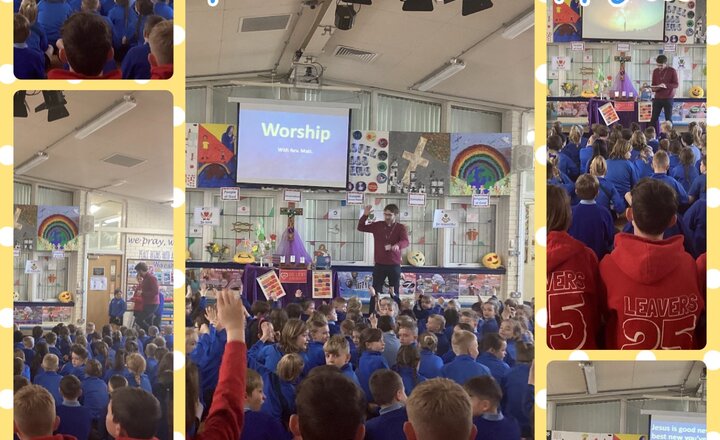
Worship with Rev. Matt
Today, Rev. Matt led worship and shared the second half of the Easter story, focusing on the events following Jesus’ crucifixion and burial. The children listened intently as he spoke about the resurrection, emphasising the joy and hope it brings to Christians around the world. Through engaging storytelling, Rev. Matt encouraged the children to reflect on the meaning of Easter and how it represents new beginnings, faith and God’s everlasting love. He posed thought-provoking questions, prompting the children to consider how the message of forgiveness, kindness and renewal can be applied in their own lives. The session ended with a moment of quiet reflection and a prayer, allowing the children to appreciate the significance of Easter and its impact on their faith and actions.
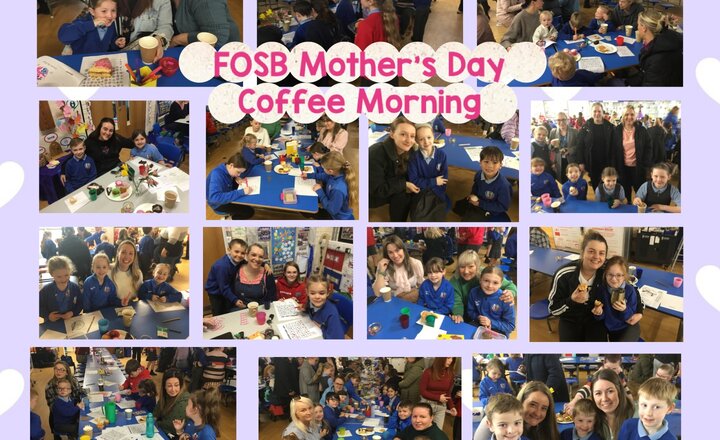
FOSB Mother’s Day Coffee Morning
A huge thank you for your generous cake donations yesterday and to all of the wonderful ladies in our school family that came to our FOSB Mother’s Day Coffee Morning. We were overwhelmed with the turn out and thank you for your patience. We hope you all enjoyed having a few minutes to relax and have a brew and a cake with your loved ones. Thank you so much for your generous donations and for purchasing raffle tickets. We have raised an amazing £375 to go towards upgrading our trim trail surfaces and purchasing new chrome books. Thank you for bringing to our attention the issue with some of the wrong tickets being sold by our Year 6 helpers in the raffle. We worked out the missing ticket numbers and made tickets with those numbers and added them to our tombola drum to make it fair. The winning tickets drawn out were( also see photos) : *Peach number 30- £40 ocean palace voucher * Pink ticket 982- Dolly’s Tea Room afternoon tea for 2 voucher *Blue ticket 954- £20 Mangiamo Voucher * Blue ticket 669- £20 Freya’s Grill Voucher *Peach ticket 271- Bottle of Asti & Lemon Drizzle Cake * Pink ticket 979- Bottle of Pinot Grigio & Red Velvet Cake * Peach ticket 302 - Red wine & Red velvet * Peach ticket 6- Rose wine, photo frame & blueberry cake If you have won a prize, please bring your ticket to the office to claim your prize by the end of the week. A huge thank you to our FOSB members and staff involved in planning and supporting the event as we couldn’t have done it without you. A special mention to our Year 6 helpers too who did a brilliant job. Thank you so much to Katie and Steph from FOSB who also stayed after the event to clear out the FOSB cupboards. You have done a fantastic job! There are still plenty of cakes left so children can buy one after school today to give to the special lady in their life. They will be priced at 50p a cake or 3 for £1.00. All of the photos can be found here: https://www.stbarnabasdarwen.co.uk/photo-galleries/fosb-mother-s-day-coffee-morning Thank you to everyone who made this morning a success and on behalf of our whole school family I wish all of our Mums, Grandmas and Aunties a wonderful and relaxing Mother’s Day and thank you for everything you do. You are all amazing!
.png)
Year 3- Class Worship- Helping Other Countries
In our class worship this week, Year 3 discussed the recent news story about twenty world leaders forming a 'coalition of the willing' to support Ukraine- Helping Other Countries. The children felt strongly that everyone needs to work together and find solutions that are good for everyone. Emily then read a prayer, thanking God for the example of the Good Samaritan, who demonstrated compassion by helping a stranger in need. We also explored how other faiths emphasise caring for others and working together to promote peace and justice.
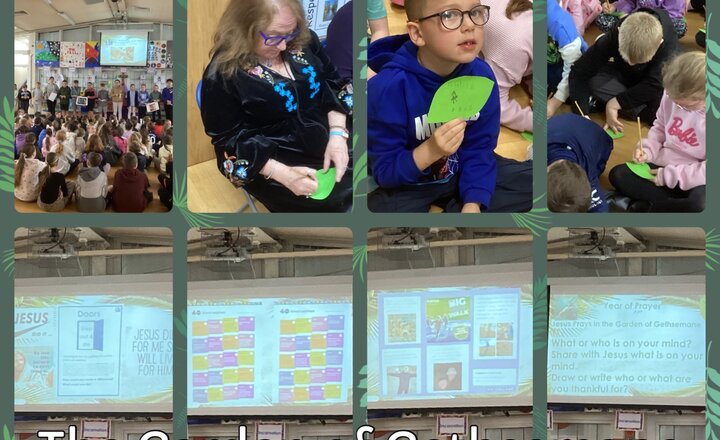
Collective Worship - The Garden of Gethsemane
Our collective worship began with the Year 6 class presenting their learning about Shakespeare. Thank you for sharing, Year 6! Mrs Ham then led our worship about the Garden of Gethsemane and how Jesus spent time praying for strength from God to help Him through the events that were to follow. We spent time reflecting on all of our Lenten events so far: Lent walks, Lenten promises and our 40 acts of kindness. Finally, we took part in this week’s special Year of Prayer by all sharing what was on our minds with Jesus, considering what we are thankful for, by writing these on a leaf. Mrs Ham created a prayer tree in our entrance area with over 200 lovely prayers on leaves from all of our children and staff.
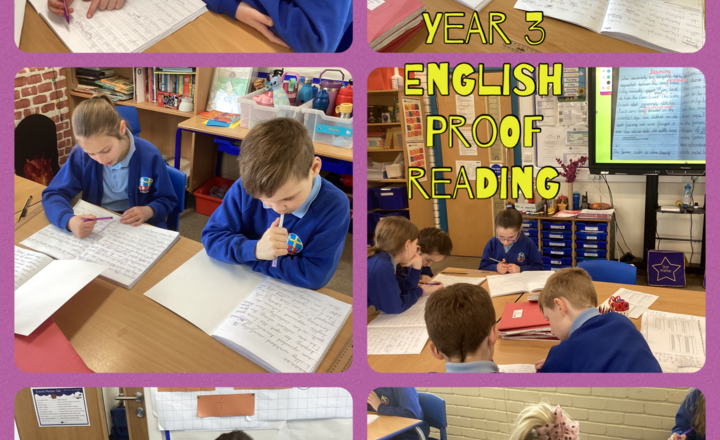
Year 3- English- Children as Editors
Today, the children became editors and authors, proofreading each other's work and making improvements using purple pens. They thoroughly enjoyed this session and found it productive and useful to "magpie" ideas from their peers.
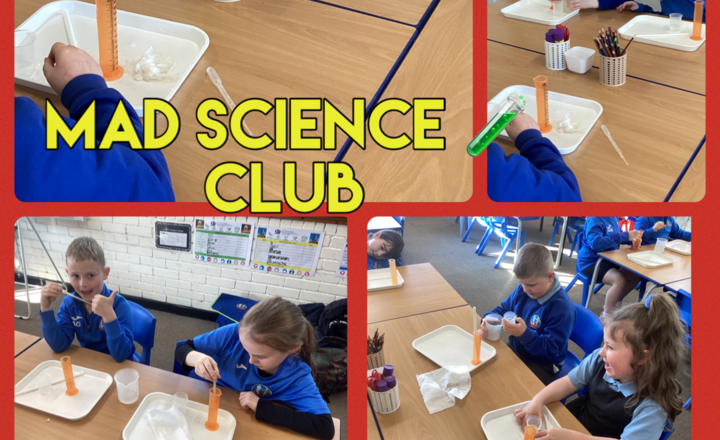
Mad Science Club- Lab Works
Today in Mad Science Club, we became real scientists. The children got to use real lab equipment to stir, swish, and swirl different mixtures. It was a hands-on introduction to laboratory techniques, and everyone participated in the experiments and had great fun.
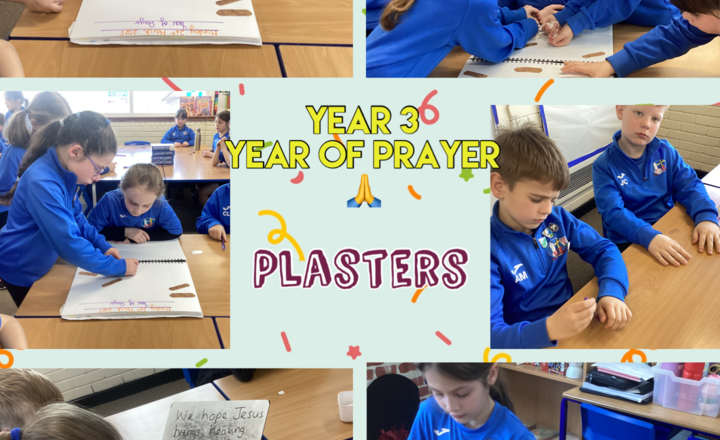
Year 3 - Year of Prayer- Prayers for Healing the Sick
During our 'Year of Prayer' session, the children reflected on who needed healing, focusing on healing the sick, etc. They wrote down names on plasters and we prayed for Jesus to bring them comfort. It was great to see how the children considered not only those they knew, but also those suffering in wider contexts, like wounded soldier, patients at the hospitals and pets that are taken ill.
.png)