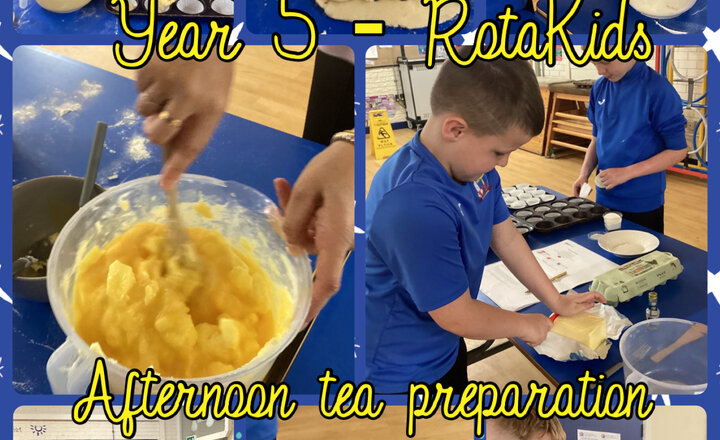
Year 5 - RotaKids
Year 5 RotaKids baked a wonderful selection of cakes and biscuits in preparation for hosting an afternoon tea for the whole school community. The event welcomed children from all year groups, who joined us after school to enjoy the treats and spend time together. It was a fantastic afternoon, and all the children had a great time taking part in this special event.
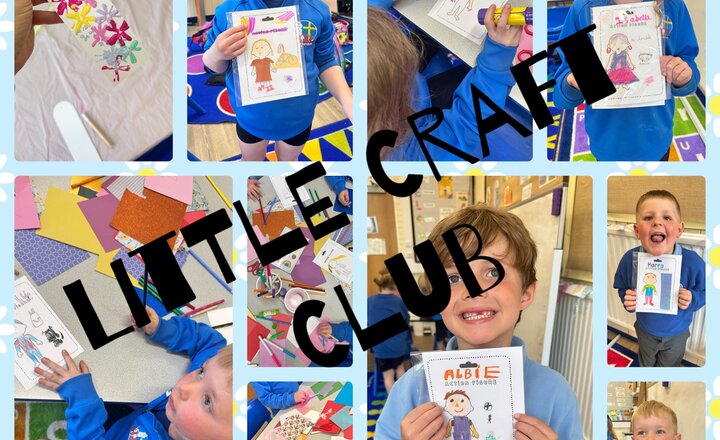
Little Craft Club
At Craft Club this week, the children made miniature action figures of themselves! The children thought about what accessories they would come with and made the figure look like themselves using pens and paper craft. They then welcomed spring by making some floral bookmarks.
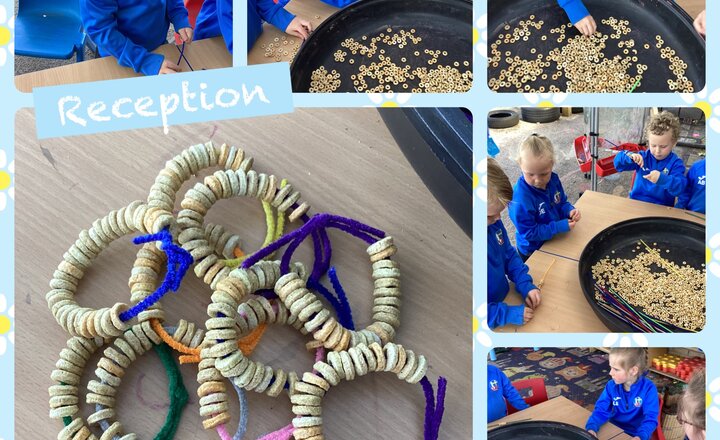
Reception Bird Feeders
As part of our learning on Migration, we have been making bird feeders using multigrain cereal and pipe cleaners. We are hoping our bird feeders will attract birds who have flown back to our country after their migration and give them plenty of food to keep them full up as Spring continues. We will hang them on the trees around school and hope to see many more birds visiting us.
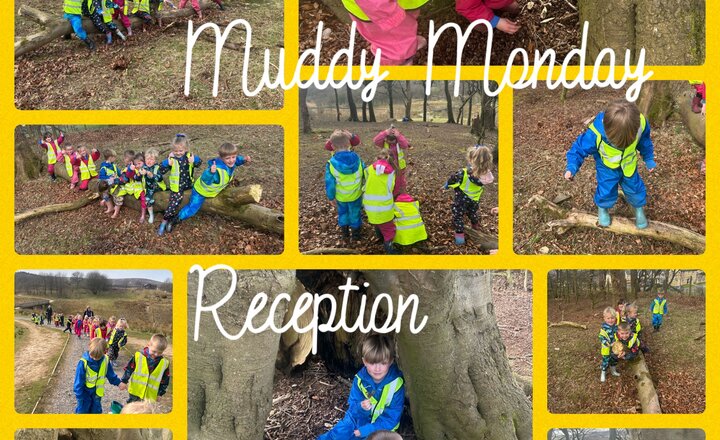
Reception: Muddy Monday
The children explored Jack Keys for their Muddy Monday session. They enjoyed a walk, built sculptures, built a den, balanced on natural materials and collectively walked 58km to add to our CAFOD Big Lent Walk. Well done!
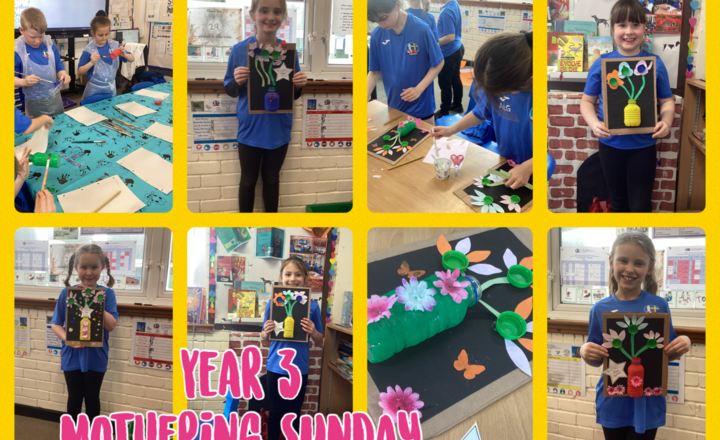
Year 3- Art-D.T- Recycled Bottle Art
For Mothering Sunday, Year 3 transformed recycled plastic water bottles and lids into a work of art for their special someone. They painted the bottles with acrylic paint, imagining them as miniature vases, and then added hand-drawn flowers and stems to complete their designs.
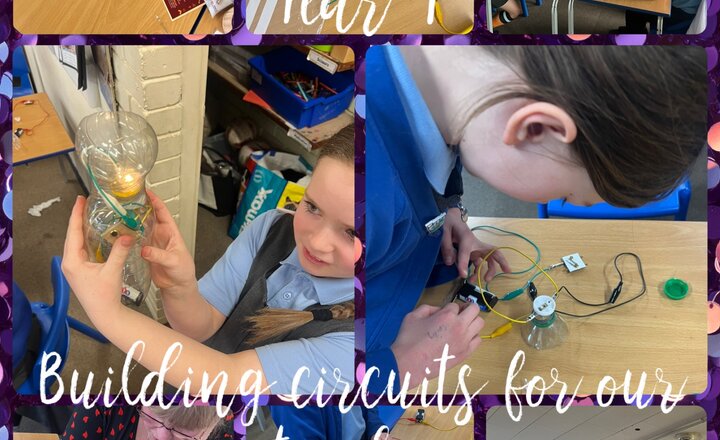
Year 4 DT - Building circuits for our torches
In the first part of our DT session we constructed our circuits to put inside our torches. These consisted of a bulb, three wires, a battery pack and a switch. We made the switches ourselves by attaching two split pins to a piece of card and then the switch itself was a metal paper clip. The children found this stage of the process very challenging but they persevered and worked collaboratively to make a full working circuit that they then carefully placed inside their torches which have been made from water bottles.
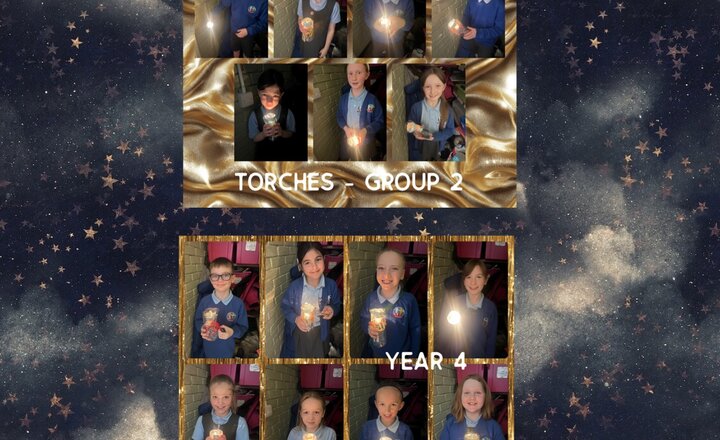
Completed Torches in our Electrical Systems Torch Design Unit
In the second part of our DT lesson, we added the circuits to the casing ( water bottles) and fixed these together securely, ensuring that the switch was still in working order. Throughout this unit the children have worked extremely hard to develop their subject knowledge about electrical systems including identifying electrical products and explaining why they are useful, making a working switch, identifying the features of a torch and creating and designing a functioning torch. Following the testing of each design, we will now move on to evaluating the success of a final product.
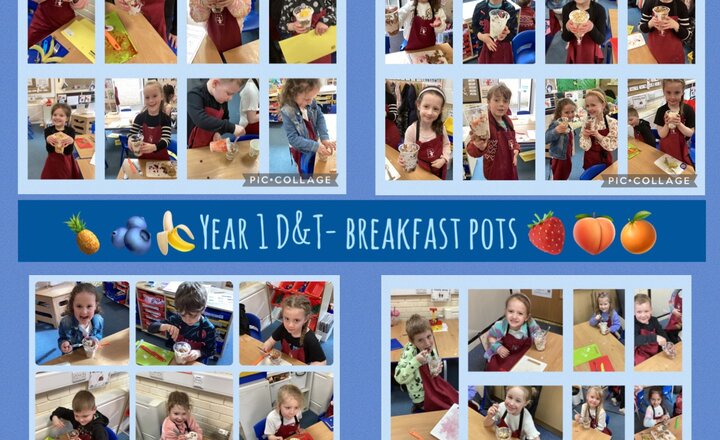
Year 1 D&T- Making Healthy Breakfast Pots
Today was the day that Year 1 have been waiting for. They have spent several design and technology lessons building up to this final lesson (making their healthy breakfast pot). Over the last couple of weeks, they have done some taste testing, learnt and practised some cutting techniques (bridge hold and fork secure) and planned and designed a healthy breakfast pot for a friend based on their preferences. They thoroughly enjoyed putting their new skills to the test by chopping up lots of fruit, making sure that they followed their design criteria correctly and tried their best to layer their ingredients to make them look a delight to eat. Well done Year 1!
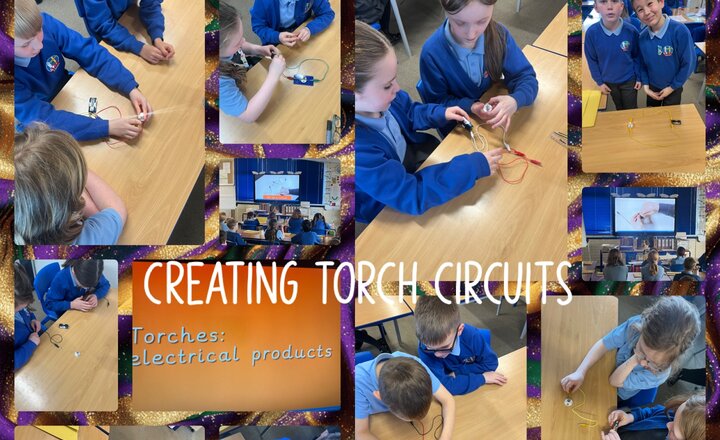
Year 4 DT - Designing Torches
In our DT session this week we looked at designing our product to fit a set of specific user needs. To begin the session, we created our circuits that we will need for our torches and then we drew the circuit formats out using the correct symbols. It was quite challenging to make the circuits light the bulbs as some of the crocodile clips in the wires were tough and some of the batteries no longer worked. We worked in small groups and it was great to see the children working as a team to problem solve. Once we had done this we then designed our torches and labelled all of the components. We can’t wait to start making the torches in our next session now we have collect all of the resources which include; a water bottle, I battery pack, a bulb, a switch and three wires.
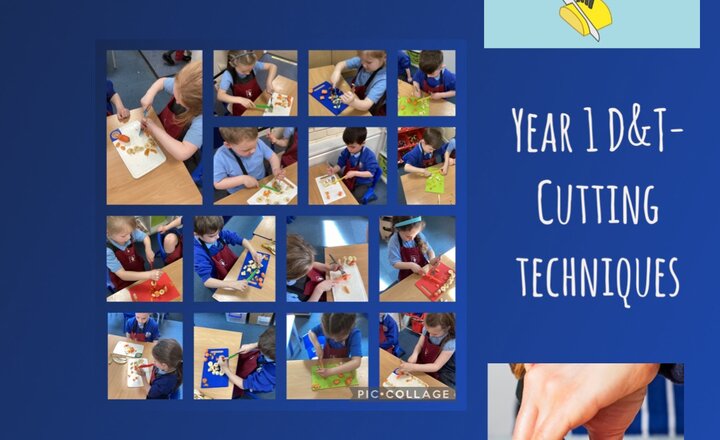
Year 1 D&T- Exploring Cutting Techniques for Food Preparation
Today in their food technology lesson, Year 1 explored two types of cutting techniques. They practised the bridge cutting technique and fork secure cutting technique. This will help them to safely and successfully prepare their fruit for their healthy breakfast pots next week.
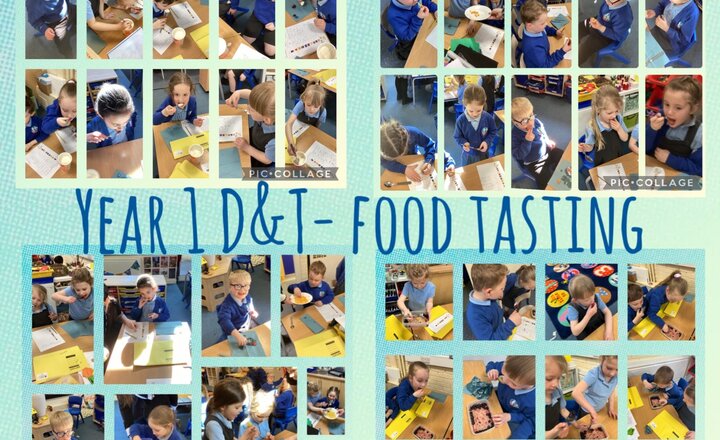
Year 1 D&T- Food Tasting
In Design Technology this half-term, Year 1 are working towards designing and making a healthy breakfast pot. Today in their lesson, they tasted various fruits (peaches, pineapples, raspberries, blueberries, bananas, raisins and dried apricots), healthy cereals (weetabix, shreddies and special flakes) and multiple yogurts (peach, strawberry and Greek style). The children then had to record whether they liked or disliked the foods in a table. Next lesson, the children will give this table to a partner who will design a breakfast pot for them using the foods that they like. They are really looking forward to this!
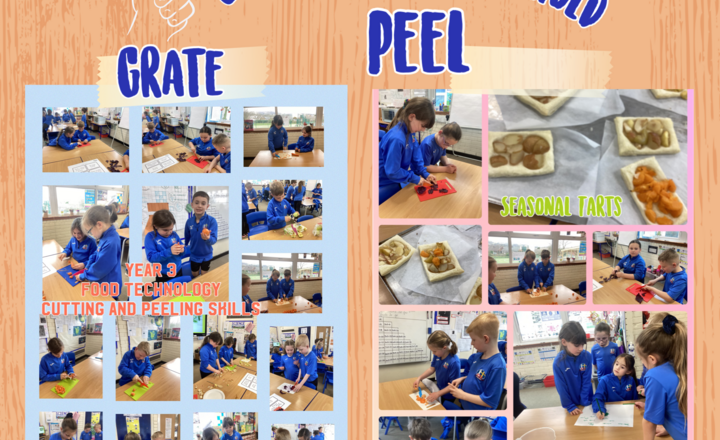
Year 3- Food Technology-Developing Cutting and Peeling Skills
Over two lessons, Year 3 chefs have been building their confidence in essential food preparation skills. They worked in a carousel-style rotation, moving between different stations to practice a range of techniques. At one table, they focused on chopping, while another group worked on peeling. A third table group practised the skill of grating, allowing them to explore different textures and refine their fine motor skills. Using their developed skills, the children designed their puff pastry tarts, selecting from a variety of seasonal fruits and vegetables. They also explored the nutritional benefits of different colours in food and discussed how their ingredient choices contribute to a balanced diet. In the next lesson, they will evaluate their creations, reflecting on taste, texture, presentation, and the overall success of their recipes.
.png)