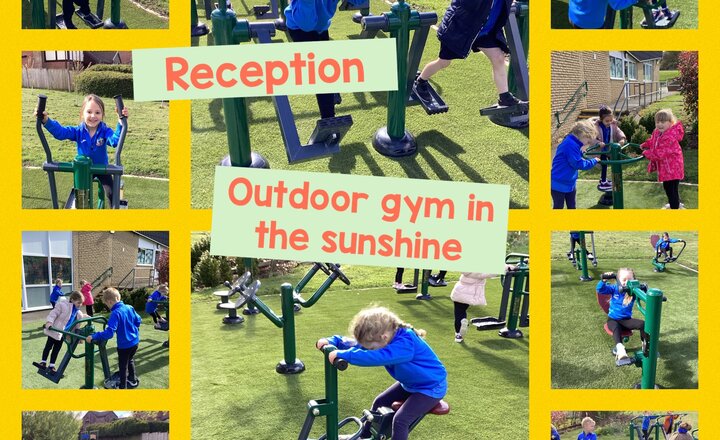
Reception- outdoor gym
We have made the most of the beautiful weather this morning and we got out on our outdoor gym. It was great to see children using the equipment confidently and using their gross motor skills and great co ordination.
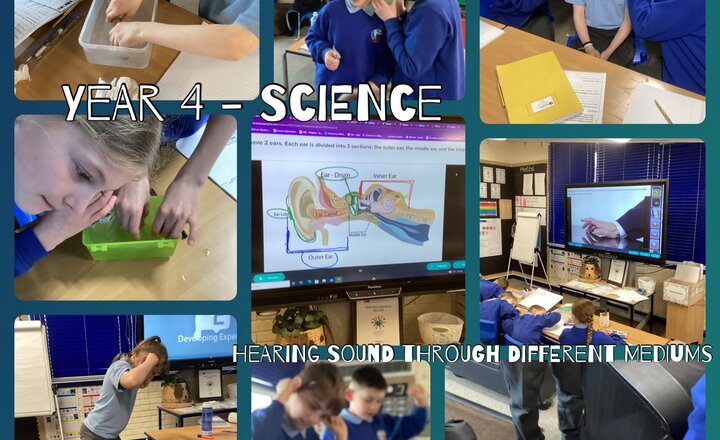
Year 4 - Science: How Sound Travels
The children were being super scientists this week, investigating how sound travels through air, liquids and solids. They completed a carousel of activities, which included talking through a balloon, banging a wire coat hanger against a table, holding a bowl with sugar grains against a speaker and banging rocks together under water. The children compared the sounds and explained how the vibrations of the surrounding particles affected the sound.
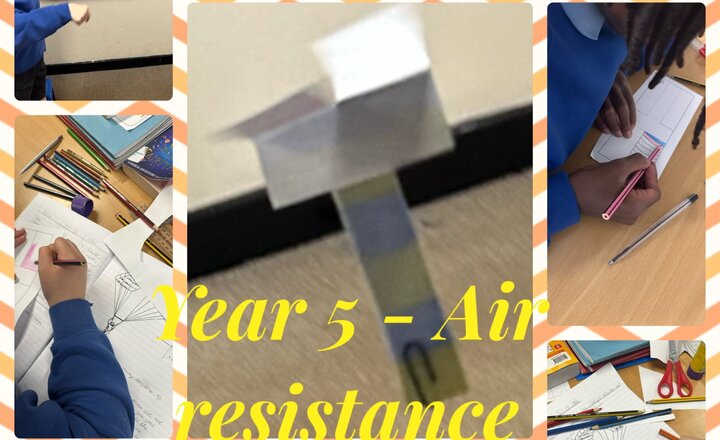
Year 5 - Science
Year 5 have been investigating the relationship between air resistance and gravity within science. The children used the model of a parachute and skydiver to imagine the forces pushing together that enables a person to slowly making their way to the ground. The children then created a seed spinner that used air resistance to keep it in the air while a pin, acting as a weight, forces it to the ground.
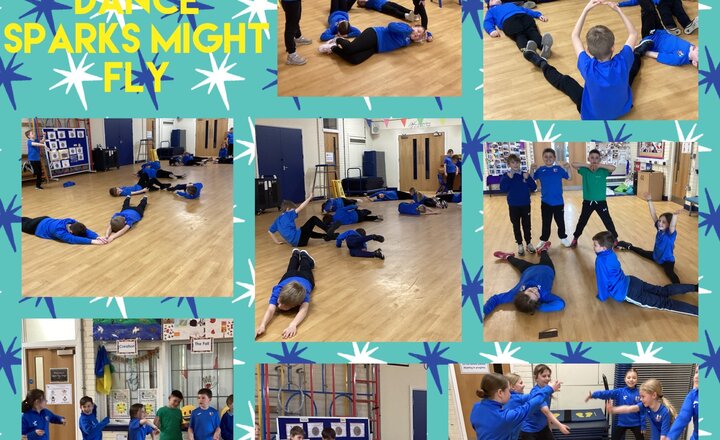
Year 4 PE Dance - Sparks Might Fly
In our PE session this afternoon the children looked at developing movement expression, using their whole body, exploring new ways of moving and challenging themselves. They worked hard to link 4 count dances so they became more fluid. The final Circuit Dance involved each person taking on a lead role to represent the parts in a circuit such as power, positive, negative, switch, output and wires. We look forward to building the pieces over the next few weeks and then performing each one.
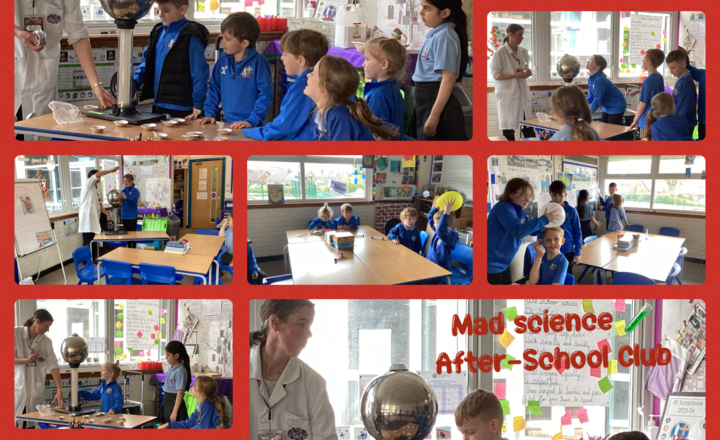
Mad Science After-School Club-Watts- Up!
At the Mad Science after-school club today, the budding scientist had a blast! They dove into the world of static electricity, discovering its role in nature. They created indoor lightning and tried out some hair-raising experiments with an electrostatic generator.
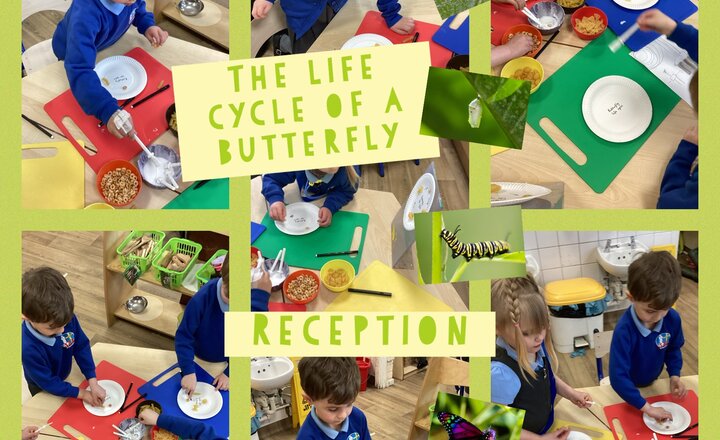
Reception- The Life Cycle of a Butterfly
In class we learnt about the life cycle of a butterfly and all about metamorphosis, we created the life cycle on the carpet area and put it in the correct order. We then made our own on a paper plate using a cheerio for the egg, and different types of pasta to represent the caterpillar, chrysalis and butterfly.
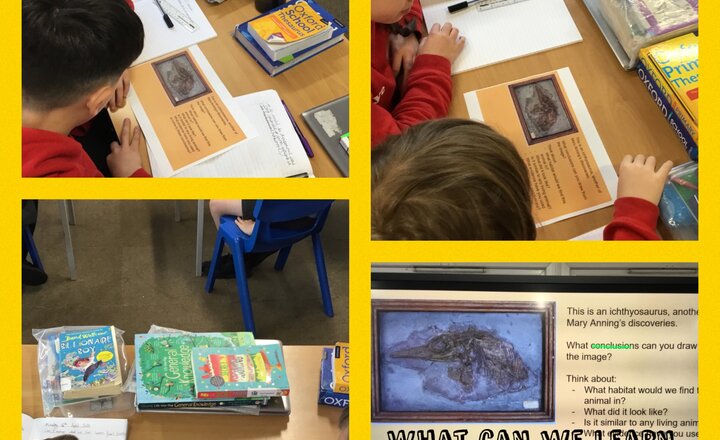
Year 6 Science
In Science, Year 6 continued their unit on evolution and inheritance. This week, we looked at fossils and how they can give us information about living things from millions of years ago. It can inform us what a specific animal looked like, its habitat and maybe even the diet of that animal. It also allows us to compare them with animals today and see how modern day creatures have adapted to their surrounding environment.
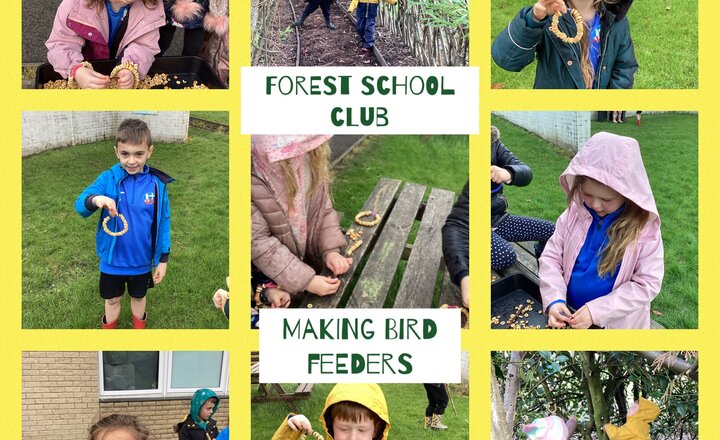
Forest school club
In forest school we have been discussing the birds coming back from migration and what we could do to help them. We decided to make bird feeders using pipe cleaners and cereal. We then went on a walk around school to decide which trees were the best to hang the bird feeders in.
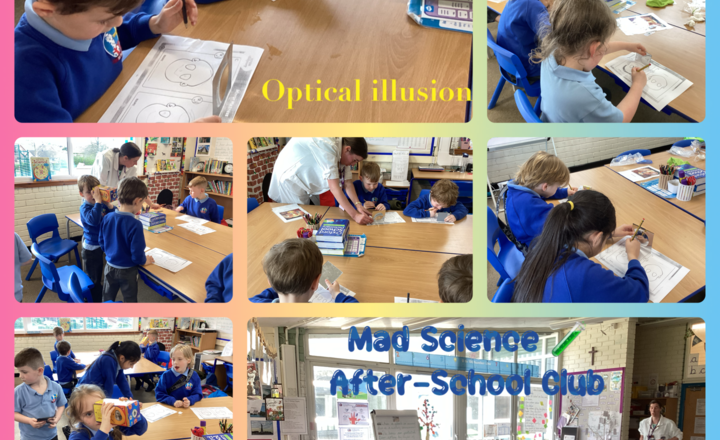
Mad Science After School Club- Optical Illusion
The Science after-school club got off to an exciting start as the young scientists dove into optics, reflection, and sight! They had a blast learning about light and vision, even using mirrors to draw pictures and understand how things reflect.
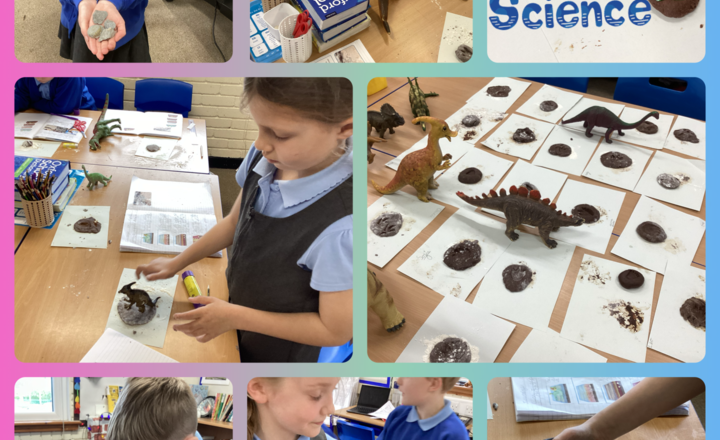
Year 3- Science- Making a dinosaur footprint fossil.
For our final science lesson on rocks and fossils, year 3 made their own fossils by mixing together 200g salt, 150g flour and 150g coffee grounds. Next, they imprinted by pressing dinosaur feet into the dough. The process helped them understand how fossils form overtime. Carmen also brought in some fossils from holiday to show the class.
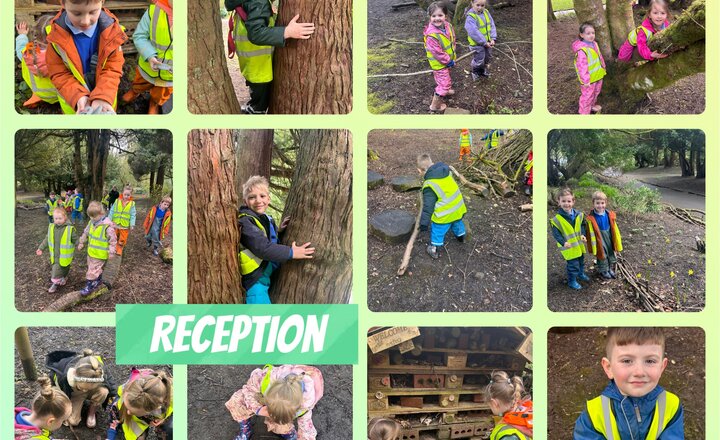
Reception: Forest Schools
Our Ducklings love our forest school sessions at Whitehall Park! Letting their imaginations run wild is so important for their development. They enjoyed developing their gross motor skills too whilst exploring the outdoors.
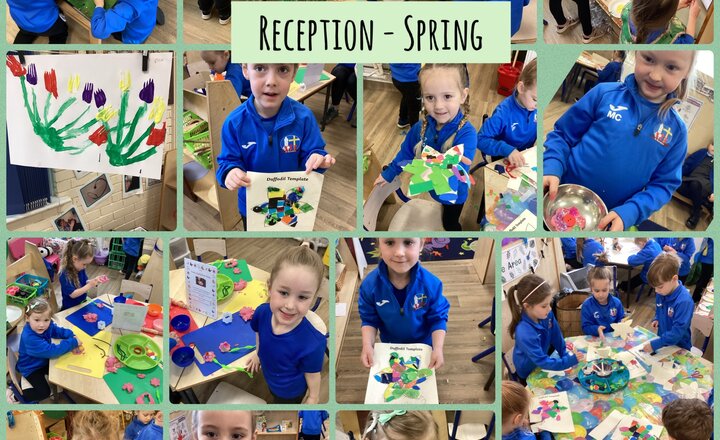
Reception - Spring activities
Reception are learning all about the season of Spring this week. They have kicked off their first week back by completing lots of Spring challenges. They have made playdough flowers, followed instructions to draw a Spring rabbit, created a collage of a spring flower and used forks to print tulips in the paint area. What busy bees!
.png)