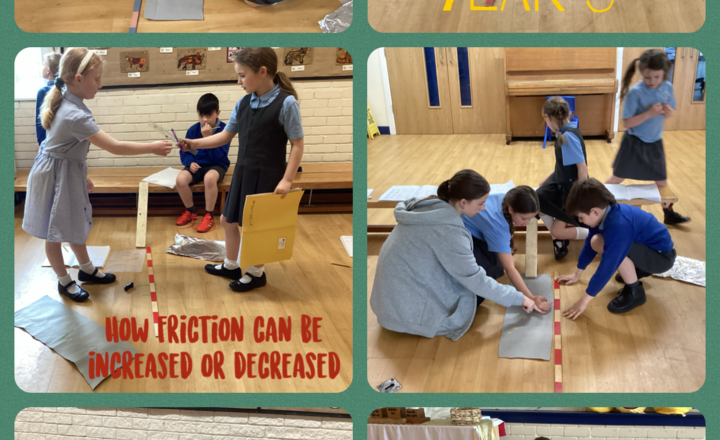
Year 3 - Science- Investigating how friction can be decreased or increased.
This afternoon in Science, Year 3 conducted a "ramp investigation" to explore how objects move on different sloping surfaces, considering friction. They made a small ramp using a piece of wood. Then, they placed a car on top of the ramp and observed how it moved down without being pushed. The children experimented by laying different materials on the ramp, such as fabric, tin foil, and plastic, to see how they affected the car's movement and friction. They made systematic and careful observations, and where appropriate, took accurate measurements using standard units.
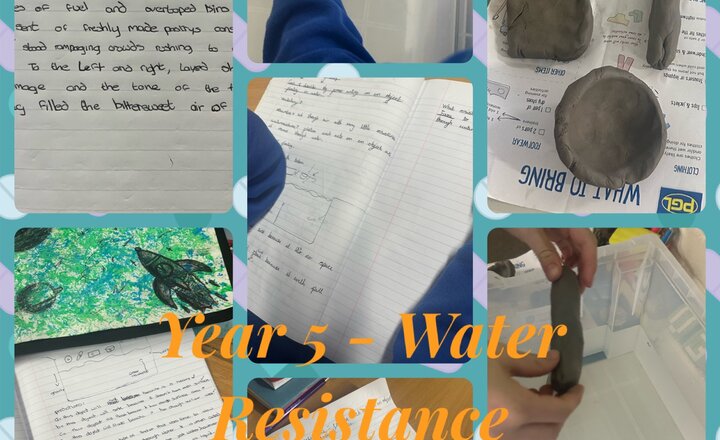
Year 5 - Science
Today, Year 5 have been exploring the relationship between water resistance and gravity. Over the course of our forces topic the children have been exploring Isaac Newtons Laws of gravity and how a combination of forces act against gravity. The children tested a variety of objects that all weighed the same but size of them were altered. We tested to see what would happen and discovered that the amount of surface area and how streamline the object becomes will affect whether the object will sink or float.
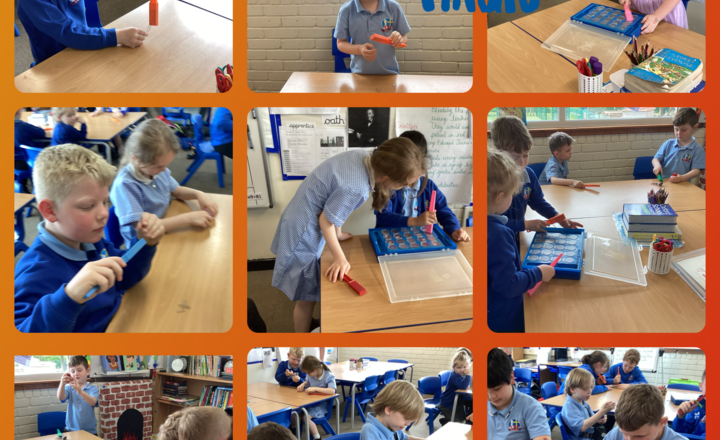
Mad Science After school Club- Magnetic Magic
This afternoon, the future scientists embarked on a magical journey exploring the wonders of magnets. They learned about how magnets work in everyday life and did tests to see how magnets make things move. Then, they used what they learned to conduct experiments that seemed like magic, like making things levitate!
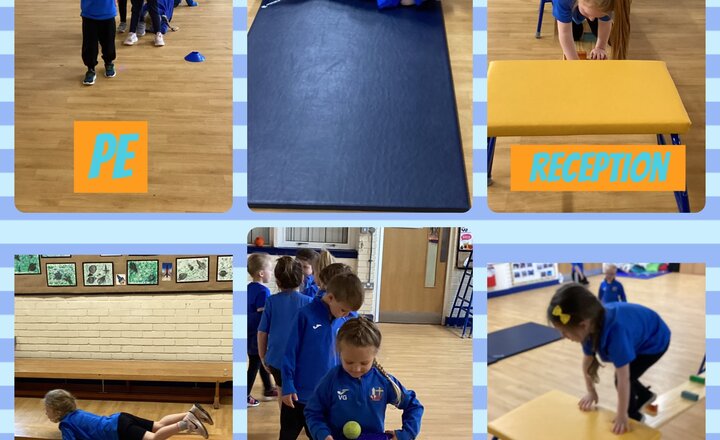
Reception- Caterpillar PE
Reception have had a fun packed PE session today, carrying on with our Hungry Caterpillar theme we used the apparatus to move like a caterpillar and turn into a butterfly. We crawled, climbed, balanced and jumped and all of the children had a try on all of the stations and are really developing those key fundamental skills. Well done Reception!
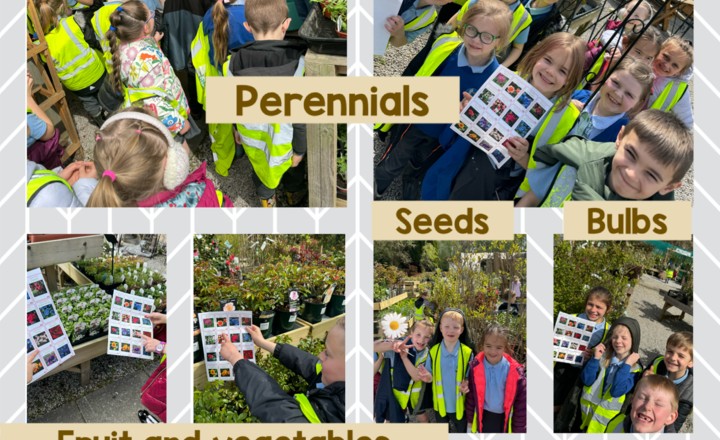
Year 2 - Science trip to the garden centre
This week for science we visited Four Seasons Garden Centre. This was a brilliant trip out for the class as we were able to build on our existing knowledge of plants. Sonia at the Garden Centre was amazing and shared her knowledge with the children. We looked for flowers that we had written in poems in English. It was lovely to see the children excited about seeing their learning in the real world.
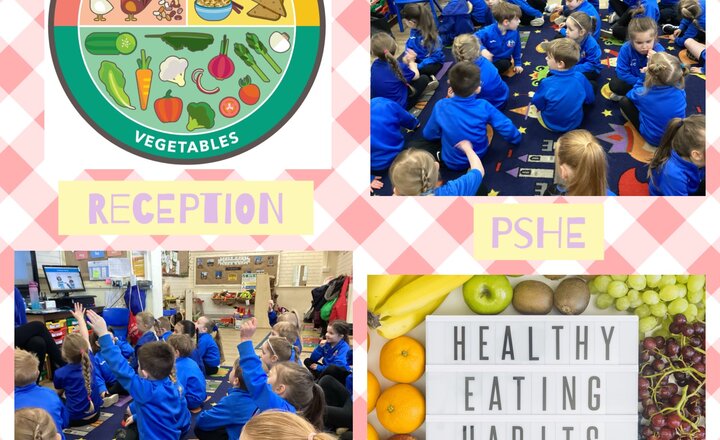
Reception: Healthy eating
This week we have discussed how many fruits and vegetables we should eat every day. The children told us their favourite fruits and vegetables and we discussed how it is important to try new foods. We spoke about the different food groups and what they job was. Thomas said healthy food makes us strong, Vienna said that healthy foods can make you feel good and Callie said healthy foods can keep your teeth health.
.png)
Mad Science After School Club- Lights, Colour, Action.
Today at the club, the budding scientists explored what's hidden in regular light and witnessed cool chemical reactions. They also tried on special glasses that made rainbows look awesome. Plus, they had fun making drawings on black paper light up by shining a torch on them.
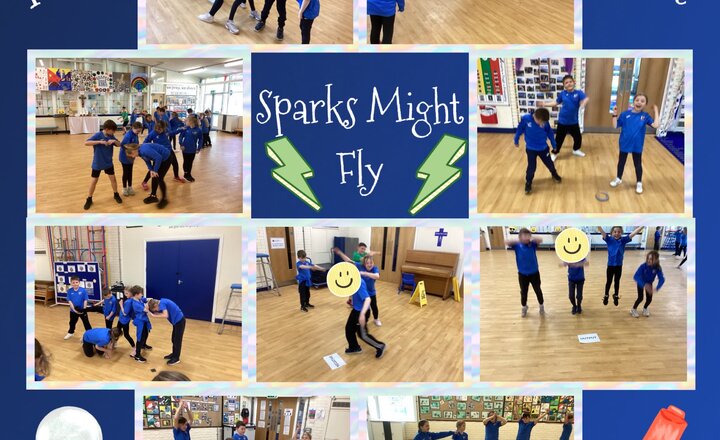
Year 4 - PE: Dance
This week’s dance lesson had the Year 4 children working in unison. They worked in groups and choreographed some movements to demonstrate electrical components. Their actions included turns, reaches, jumps and wriggles and they worked hard to keep in time with each other. We will be putting these movements into a whole-class dance over the next couple of weeks.
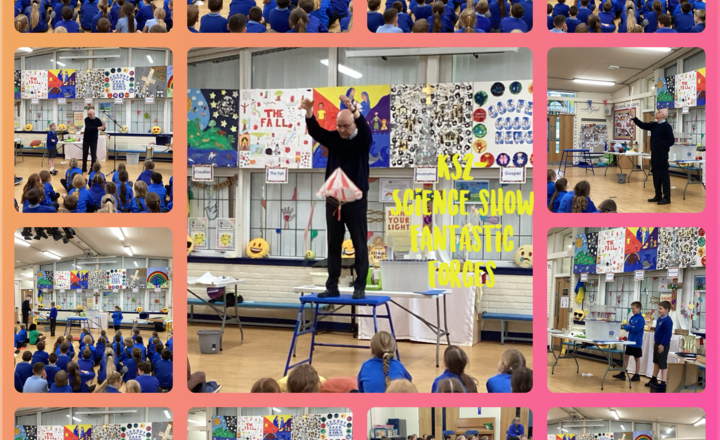
KS2- Science Show- Fantastic Forces
This afternoon, KS2 enjoyed a special Science show led by Adrian, a former primary school teacher. The kids had a blast learning about different types of forces and examples and discovering more about Isaac Newton. Some students were selected to come to the front and test which parachute would land first: one open and the other tied. They made predictions and discussed air resistance. The children were intrigued by the various types of magnets, including bar and ring magnets, and they learned about repelling and attracting forces. Adrian even showed them how static can keep bubbles in the air, which left the children in absolute amazement with many "wow" moments. They asked Adrian why he chose to leave teaching and do science shows instead. He explained that while he loved teaching, focusing solely on science was his passion, which wasn't always possible in primary school. Delivering science shows allows him to do just that, and he thoroughly enjoys it. What an outstanding show it was!
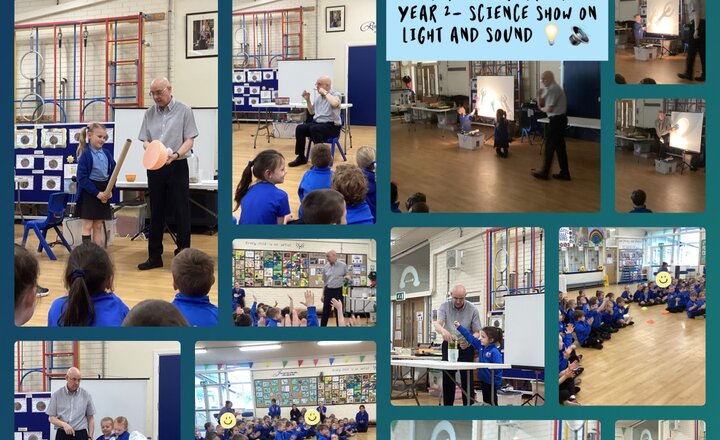
Reception, Year 1 and Year 2-Science Show
This morning, Reception and KS1 had a special science assembly about light and sound led by Adrian. First of all, we started by learning about shadows. We learnt that the closer that we get to the light source, the bigger the shadow gets and the further away that we get from the light source, the smaller the shadow gets. Some volunteers came up the front to show us this using puppets and the projector. Adrian then asked us to predict whether we thought that one person could make two shadows and most of us said no. However, Adrian showed us that this is in fact possible by using two light sources. We were amazed! Adrian then asked us to think about a window. He asked us whether a window lets light through or not and we said no because it is made from glass. From this, Adrian then showed us the shadow for a magnifying glass and how the plastic on the outside made a circular shadow but the glass in the middle made no shadow. We then explored colour mixing. Adrian chose a volunteer to come and colour a bottle of clear water. Yellow and blue were added and then Adrian asked us to predict which colour they would make once they were mixed together. Most of us predicted green and we were correct. Adrian explained that these colours had been mixed in water so we couldn’t undo them. However, he showed us how we can mix colours using a spinning propellor controlled by a motor and undo the colour mixing by stopping the motor. We had great fun predicting what colours would be made when the motor was turned on and the colours were mixed together. Then Adrian wowed us all by making a rainbow on the ceiling using light and water. This was definitely one of our favourite parts. For the second part of the assembly, we learnt all about sound. We started off by listening to same rain shakers. We then thought how we could make a rain shaker louder. The children predicted that we can either shake it harder or add more objects into the rain shaker e.g. peas. We then listened to the difference between a shaker with 1 pea, 10 peas and 100 peas and found out that our prediction was correct. Wow the 100 peas were loud! Adrian then showed us how you can make quiet objects louder by scraping them against hard materials, by using our mouth or by adding more force. Lyla demonstrated adding more force to make things louder by hitting a drum with a tube. We then explored high and low sounds using the keyboard. We listen to Adrian’s sound on the keyboard in a high pitched voice and a low pitched voice using different sides of the piano and we also listened to Adrian making high and low pitch sounds by changing the length of the straw whilst blowing into it. Finally, Adrian left us with two challenges. He asked us to think about the following questions next time it is sunny: How can you make your shadow not touch your feet for a moment? How can you make your shadow disappear? If any of the Reception, Year 1 or Year 2 children complete any of the experiments themselves at home to show you, please send any pictures via Class Dojo as we would love to see them.
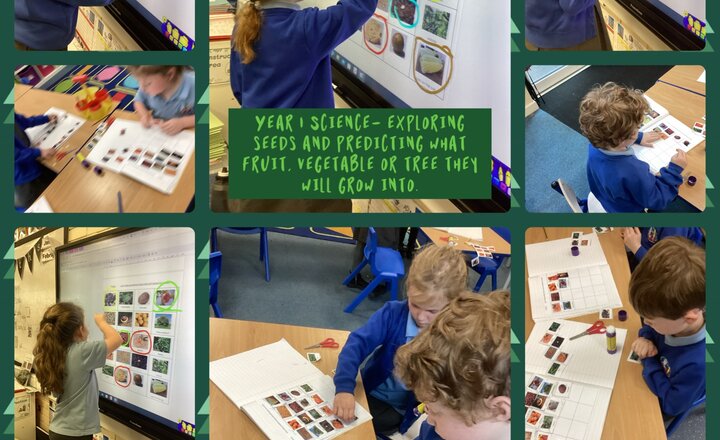
Year 1 Science- Exploring Seeds
Today in Science, Year 1 learnt about what happens to a seed. They looked at lots of different seeds and had to predict what type of tree, fruit or vegetable it would grow into. We talked the importance of plants including trees for survival. Year 1 came up with some amazing ideas such as plants providing us with food, helping us to breathe, providing wood for furniture and houses, providing us with paper, providing a habitat for animals and making the environment a brighter place. We also talked about how many plants are used in medicines. Tomorrow, they will be planting a tomato seed and we will hopefully get the chance to see it grow over the next couple of months. We hope to see the roots, stem, leaves and fruit (tomatoes) that it will develop as it grows.
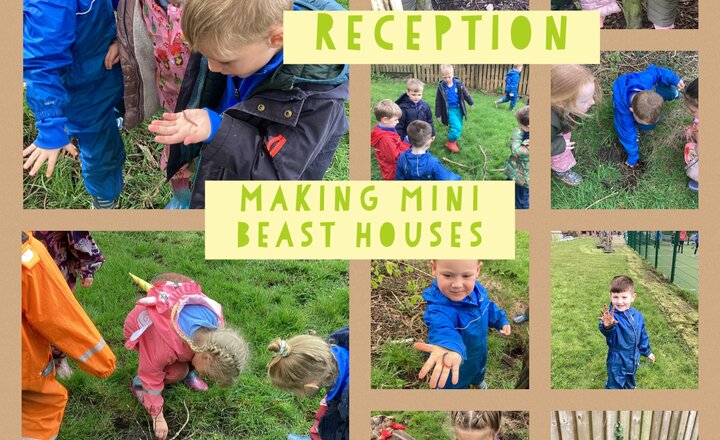
Reception- Making bug houses
In class we have been looking at different types of minibeasts as part of our ‘amazing animals’ topic. We learnt a new word yesterday which was ‘invertebrate’ and we learnt that invertebrates do not have a backbone. We had a look at some minibeast habitats and went out to our forest school area and made some of our own houses for lots of different bugs.
.png)