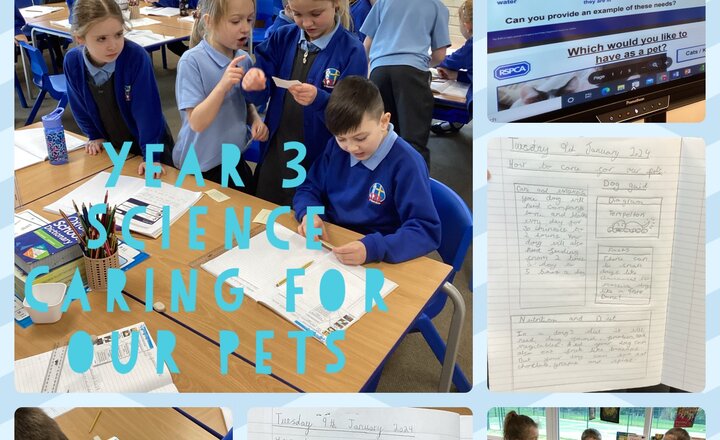
Year 3 Science - Caring For Our Pets
For Science this week we continued learning about how we can care for our pets at home. We discussed what different pets need to be healthy and well looked after and looked at the five welfare needs. We then created our own care guides for our pets.
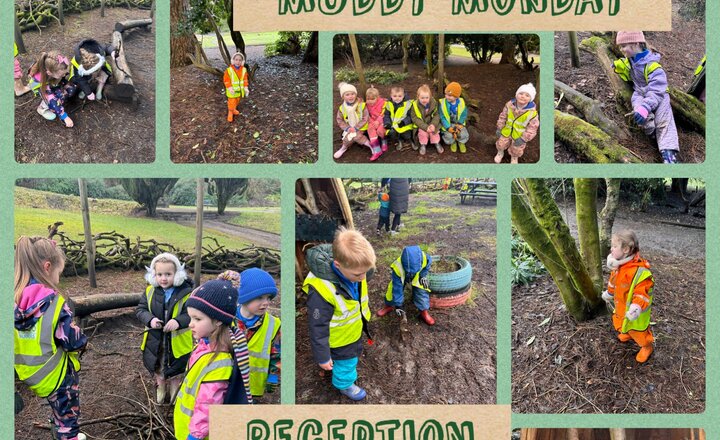
Reception: Muddy Monday
Our Ducklings visited the forest schools area of Whitehall Park today for the first time. They enjoyed exploring and also had a go at making camp fires and bug houses.
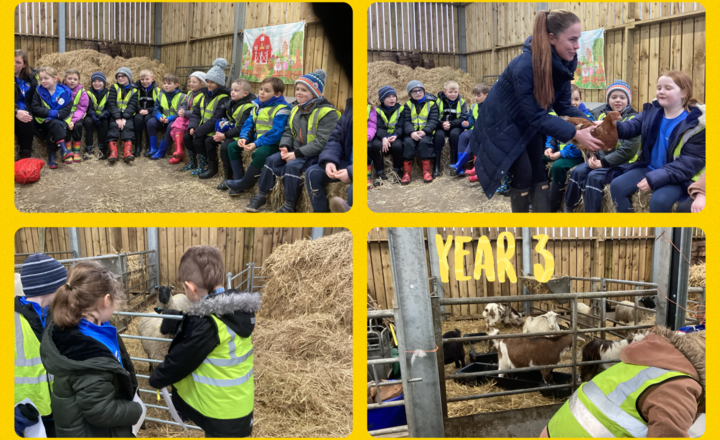
Year 3- A visit to Nightingales Farm
The children had an inspiring morning at Nightingales Farm today, where they saw pigs, goats, sheep, and many chickens. The children were set on a fun activity where they had to guess the number of chickens in the barn and were astonished to discover that they had over 400 chickens. They were fascinated to learn that a chicken's health could be determined by the colour of its comb – a red comb indicates good health and a peach comb chicken needs care. Steph, also assessed the children's understanding of their recent classroom lessons on bones, challenging them with questions about the human and animal skeletal system. The children displayed exemplary behaviour and respect, and actively participated in discussions about animal diets, demonstrating their keen interest and knowledge.
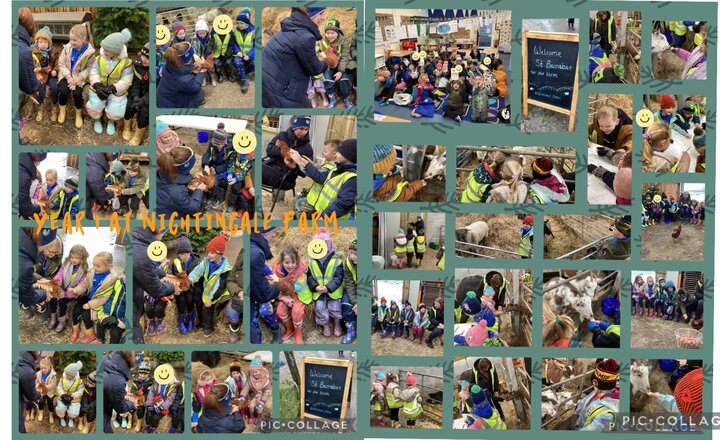
Year 1 Visit Nightingale Farm
What a wonderful time Year 1 had at Nightingale Farm this morning. Steph taught us lots about what pigs, sheep, goats and chickens like to eat and how they like to spend their time. Steph let us stroke a chicken, feed the goats and wander around the barn to look at all of the animals. Steph also ran a competition where we had to draw one of the barn animals, write which animal group it belonged to (mammal, amphibian, bird, reptile or fish) and what it liked to eat. Steph answered lots of questions that we had about the farm animals too. We all listened and joined in amazingly and came home with a treat bag each. Thank you to Steph at Nightingale Farm for welcoming us into her barn, sharing her knowledge with us all and being so lovely.
.jpeg)
Year 4 - Science: Food Chains
This week our super scientists in Year 4 have been exploring food chains. They sorted animals in order of their place in a simple food chain and then labelled them from producer to predator. They even presented their food chains to the rest of the class using scientific vocabulary.

Year 2 - Science
During our previous learning in science, we have looked at habitats and microhabits in our local area. This week we moved onto world habitats which included Desert, Rainforest, Artic and Ocean. We sorted animals depending on which habitat you would find them in. We also added the conditions of these habitats and thought about why these animals would prefer these habitats to others.

Year 3- Science- Labelling the human skeleton
Today in science, Year 3 learned that animals have different kinds of skeletons. They found out which animals have bones inside their bodies (endoskeleton), which ones have a hard outer shell (exoskeleton), and which ones use water pressure to move (hydrostatic skeleton). They were fascinated to learn that a giraffe, which has a super long neck, has the same amount of vertebrae as a human. We also labelled the different bones of a skeleton using technical vocabulary.
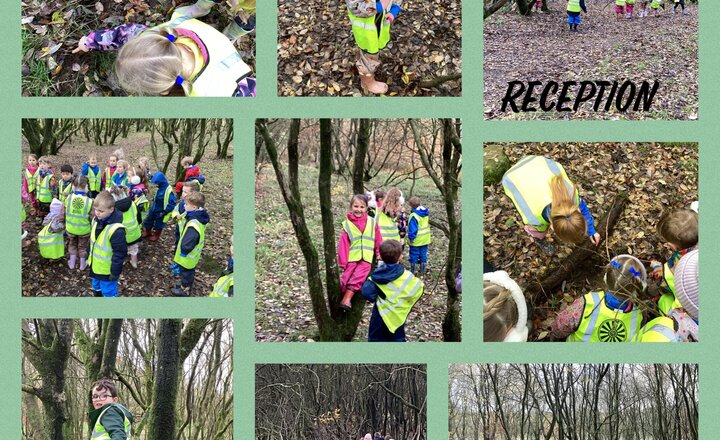
Reception- Bug hunt
For the first part of our forest school session we headed out of school and up to Jacks Key to go hunting for mini beasts. We found beetles, snails, slugs and lots more.
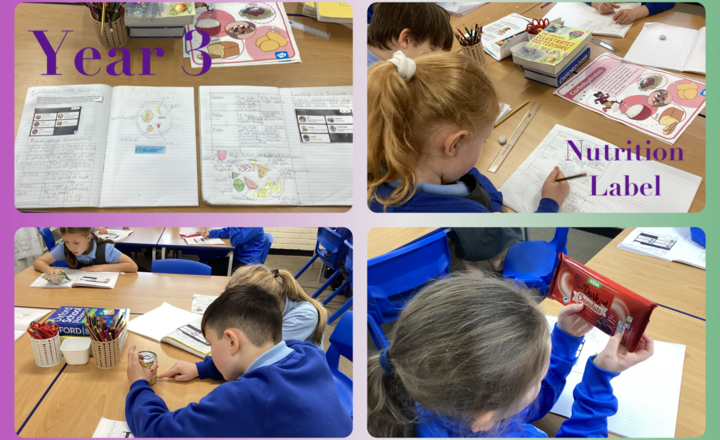
Year 3- Science- The importance of nutrition food labels.
In Science this afternoon, Year 3 have been learning about nutrition food labels. They now know that the labels on the packaging tell us what's in the food, help us pick healthy options, and give detailed info about the different food groups in a product. For their activity, the children were provided with different food packets. They looked at the labels and decided if the food was a good choice for every day or just once in a while. They know it is important to have a balanced diet. The more green light a label displays, the healthier the food is.
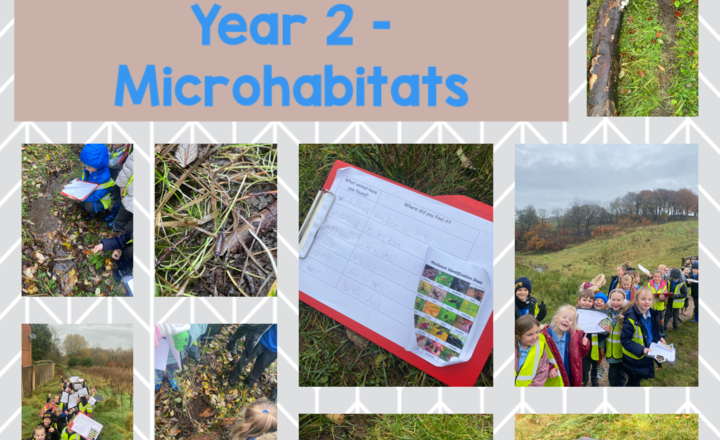
Year 2 - Microhabitat Walk
During science today, we went on a walk to find different microhabitats in our local area. We explored grassland and woodland areas looking for logs, rocks and streams where animals could live. We identified a variety of insects such as woodlice, snails, spiders and millipedes. We took clipboards so we could record our findings in a table. When we arrived back at school, we wrote up our findings and wrote a short summary of our investigation.
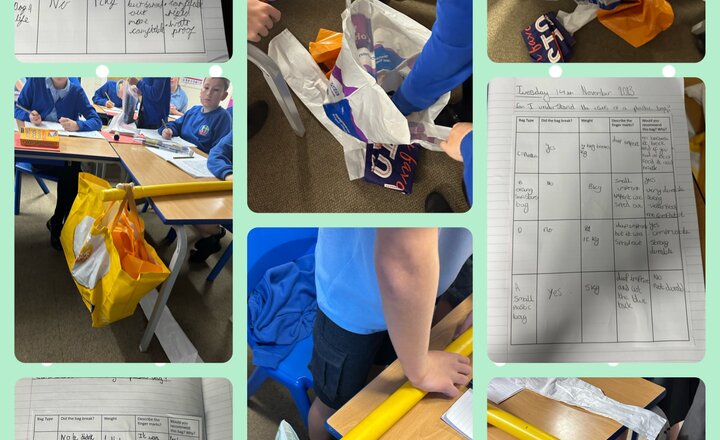
Year 5 - Properties of Materials
Today, Year 5 has been experimenting with the properties of plastic and its function. The children worked together and tested four different types of plastic bags to test the durability of each type of bag and decide which bag would be best for a heavy load. The children explored the durability, flexibility, the strength and sustainability of each bag. Then recorded their results accordingly; concluding which bag they would recommend based on their observational research.
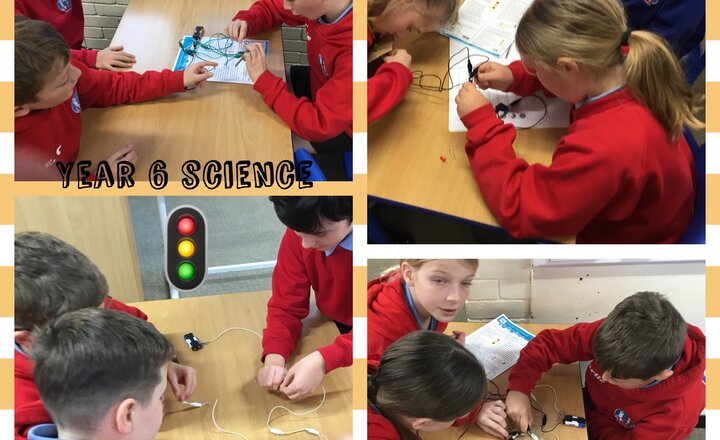
Year 6 Science
This week, year 6 concluded their work on electricity by making their own set of traffic lights. We had to apply our knowledge from throughout the unit to create a circuit that operated only one of 3 LED’s at a time. This involved making a three-way switch made of conductive material, that would connect to the spare terminal of an LED, in order for it to illuminate.