.jpeg)
Online Safety: Supporting safe use of AI
AI is becoming a familiar part of young people’s online experiences, with a growing number of school tools and entertainment platforms now using it. This #WakeUpWednesday guide breaks down what AI really is, helping adults explain it clearly and realistically so children don’t overestimate its abilities or trust it unquestioningly. With Safer Internet Day coming up on 10th February, it’s the perfect moment to start meaningful conversations about how AI systems work, where they appear online, and why understanding them matters for safe, confident digital use. Download your FREE copy here >> https://vist.ly/4qaac
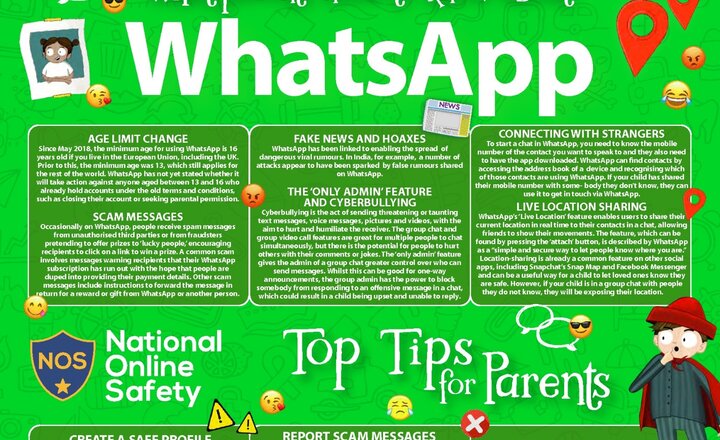
Year 5 - Online Safety
Today we discussed the social media app WhatsApp, including what it is and how it can be used safely. WhatsApp is a popular way of sharing messages, videos and photos that many children use to keep in contact with friends and family. The app’s minimum age is 16 and we discussed how the privacy settings can be altered so that children can only interact with people in their contacts list. Other safety steps include turning off Live Location, blocking and leaving inappropriate chats as well as deleting mistaken messages.
.jpeg)
Online Safety: Mental Health Misinformation Online
Who should young people trust for mental health advice online? From TikTok to Instagram, children and young people are turning to social media for support, but not all content is accurate or helpful. This week’s #WakeUpWednesday guide explores how mental health misinformation can mislead young people and shares practical ways adults can help them spot unreliable advice and build healthy, informed understanding. Download your FREE copy here >> https://vist.ly/4petr
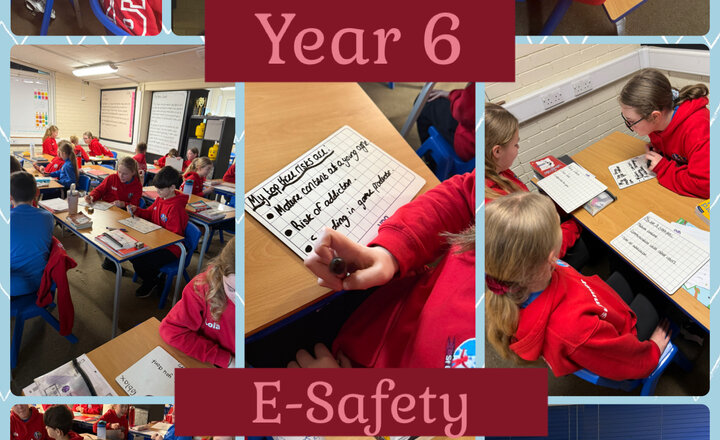
Year 6 - E-Safety
Today, the children’s e-safety focus was on Roblox and how to stay safe online. The children explored some of the potential risks linked to online gaming, including communication with others and in-game content and discussed how these risks can be reduced. Using their talk tactics, the children confidently shared their ideas, identified their top risks and explained sensible strategies for staying safe online, such as protecting personal information and knowing when to seek help from a trusted adult. This session helped to develop the children’s understanding of responsible online behaviour and how to make safe choices in the digital world.
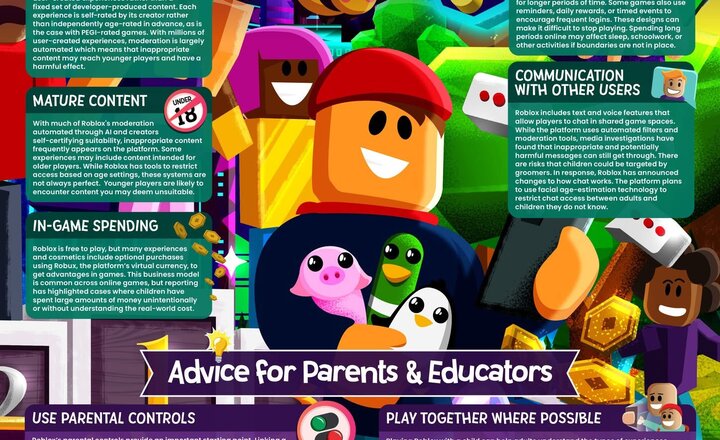
Online Safety: Roblox
Roblox might be a favourite with kids, but its huge mix of user‑created worlds can sometimes expose them to things they’re not ready for. This week’s #WakeUpWednesday guide helps parents and educators understand the risks, set smarter controls and support children to enjoy Roblox more safely. Download your FREE copy here >> https://vist.ly/4nkg3
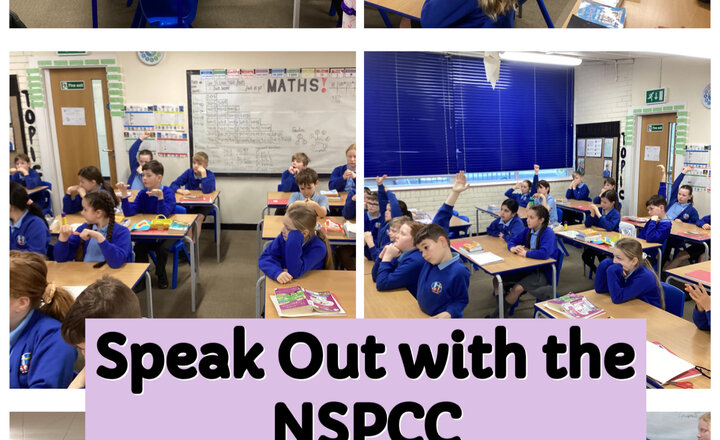
Year 5 - Speak Out with the NSPCC
Jan from the NSPCC (National Society for the Prevention of Cruelty to Children) visited Year 5 today about the different types of abuse that children may experience. The class talked about how to identify when abuse might happen, including the differences between bullying and cyberbullying. The key message about staying safe was to speak out to trusted adults about any concerns that children may have alongside using the Childline website and phone number 0800 1111.
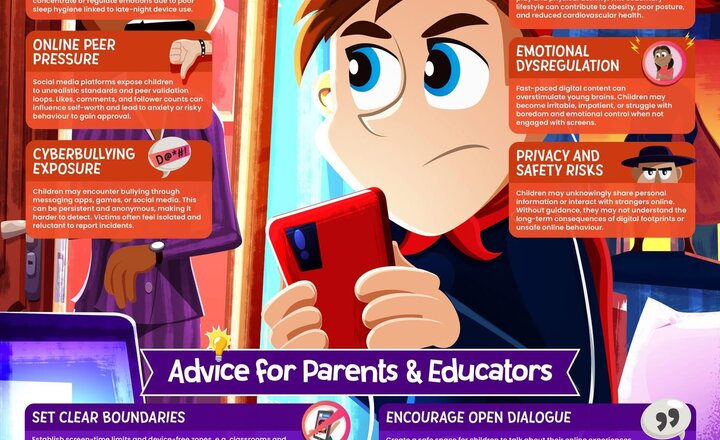
Online Safety-Digital Devices and Well-being
Digital devices are part of everyday life for young people but how do they really impact wellbeing? This week’s #WakeUpWednesday guide explores how screen use can affect sleep, emotional regulation, physical health, and online experiences, and why concerns about wellbeing are growing. Download your FREE copy here >> https://vist.ly/4mqjx
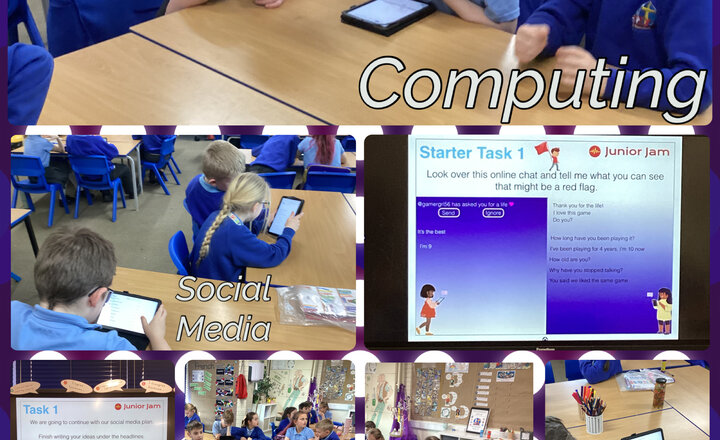
Year 4 - Computing: Social Media
This half term in Computing, the Year 4 class have been presented with a hypothetical scenario in which all social media has been removed from the Internet. Their task is to design their own social media platform, and in this week’s lesson the children were creating a web of ideas under different headings. They were also practising using the functions they have learned so far in the iSecure app. Each session also presents an online safety task so that the children are constantly being made aware of potential cyber dangers and how to avoid them.
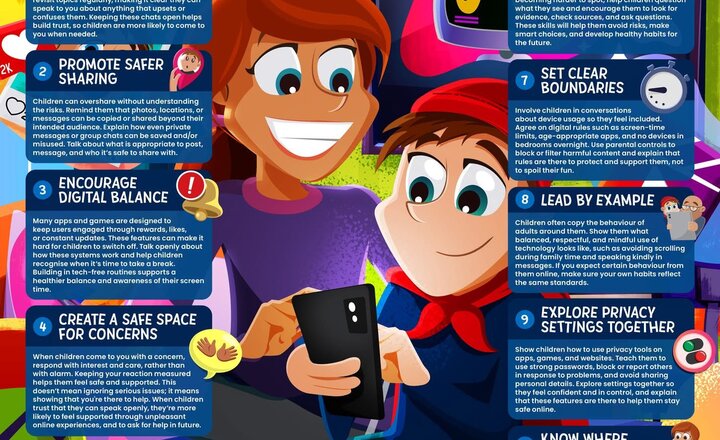
Essential Online Safety
Children and young people use the internet every day to learn, play, and connect, but the online world is not always safe. This weeks #WakeUpWednesday provides clear and practical advice to support safer and healthier digital habits, helping young people to make informed, secure choices when using technology. Download your FREE copy here >> https://vist.ly/4ku5z
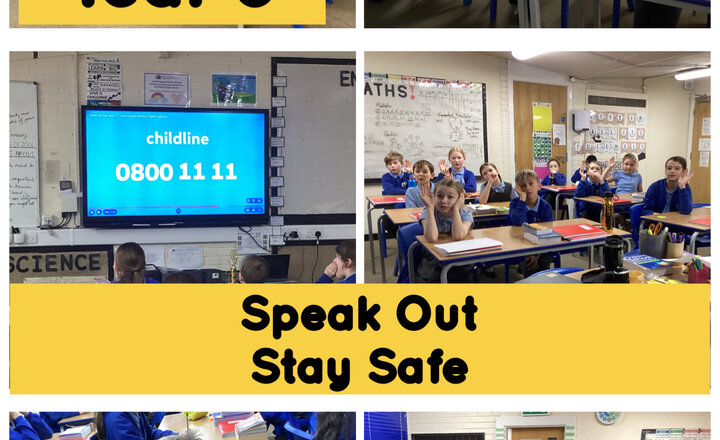
Year 5 - NSPCC
Today, we prepared for a future visit by the NSPCC by engaging in activities and discussions around the topic of how children can stay safe by speaking out about any concerns or worries they might have. We discussed the different ways that children can be harmed (e.g. emotional or physical bullying) and who the safe adults are that they can talk to inside and outside school.
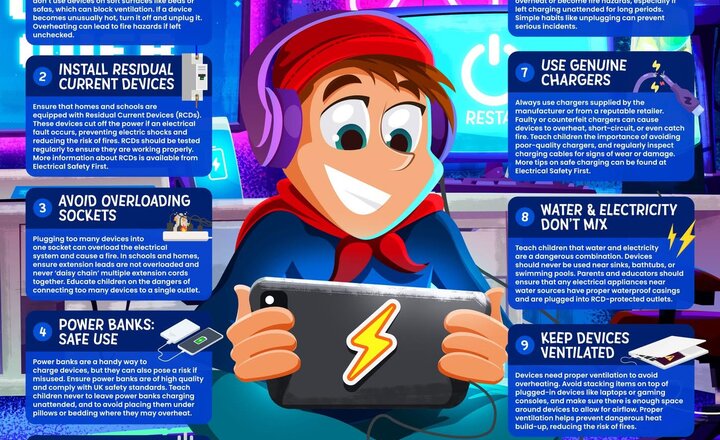
Online Safety: Electrical Safety and Devices
The festive season has arrived, and with more lights, decorations and gifts, it’s important to stay safe when plugging in extra electricals. This guide provides key information on electrical safety.
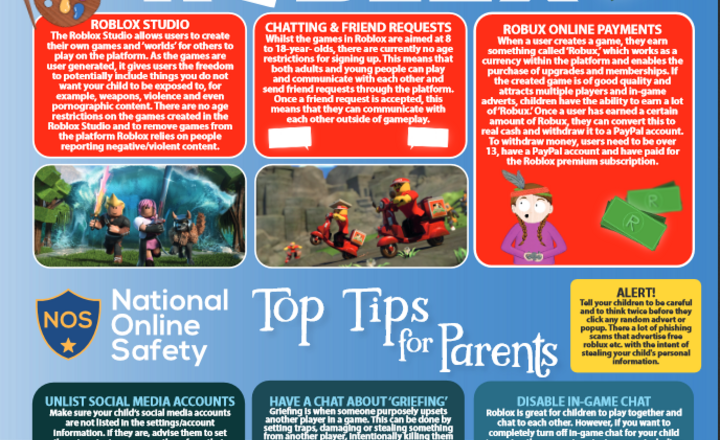
Year 5 - Online Safety
We continued our exploration of the online world by discussing the popular computer game Roblox. The children’s talked about their experiences and we considered how to stay safe during multiplayer experiences, how best to deal with friend requests alongside the financial elements of robux online payments.