.jpeg)
Online Safety: YouTube
YouTube continues to be one of the most popular platforms for young people, offering a mix of entertainment, creativity and learning. However, its vast content library and recommendation systems can also expose children to risks that are not always easy to spot. Our latest #WakeUpWednesday guide highlights key concerns, including: • Inappropriate or extreme content • Interaction with strangers • Risky trends and challenges • The impact of short-form content It also offers practical advice, such as using YouTube Kids, setting parental controls and watching content together. Download the guide here: https://vist.ly/4zbr3 #OnlineSafety #Safeguarding #DigitalParenting #WakeUpWednesday
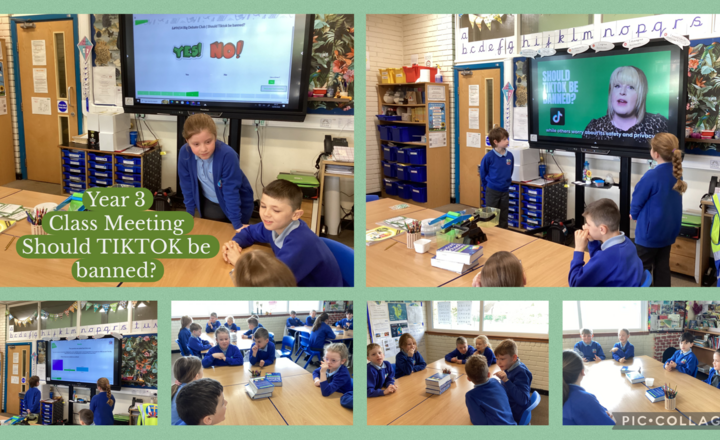
Year 3- Class Meeting- Should TIKTOK be banned?
During our class meeting, James and Alice led a debate on whether TikTok should be banned. The children shared many strong points, with those in favour of a ban arguing that the app can be unsafe for young children, time-consuming, and sometimes used for unkind behaviour. On the other hand, those who disagreed pointed out that TikTok is a fun way to be creative, learn new skills like dancing or crafts, and stay connected with friends. After a long discussion where everyone gave good reasons for their opinions, we held a vote. The "Yes" side received the highest number of votes, so we will be taking further action on this in a few weeks. We also looked back at our work raising money for a brain tumour cure, showing how important it is for our class to speak up and take action for things we believe in. We will be baking to raise money soon. It is wonderful to see the class so eager to speak up and take real action to help others.
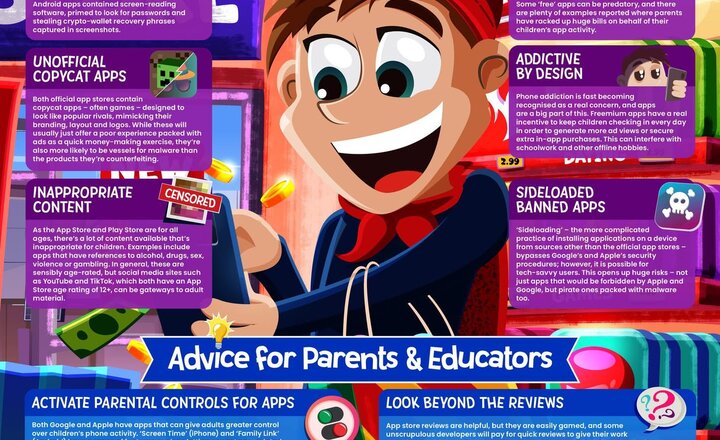
Online Safety: App and Play Stores
With millions of apps available and children accessing them from an increasingly young age, app stores can present a range of risks. From malware and copycat apps to inappropriate content and persuasive in-app purchases, this Wake Up Wednesday guide highlights how easily young users can encounter issues – even when using official platforms. It also offers clear, practical advice to help parents and educators manage these risks. From setting up parental controls and checking app credibility to having open conversations about safe usage, the guide supports adults in building children’s awareness, encouraging safer choices and promoting more balanced, responsible app use
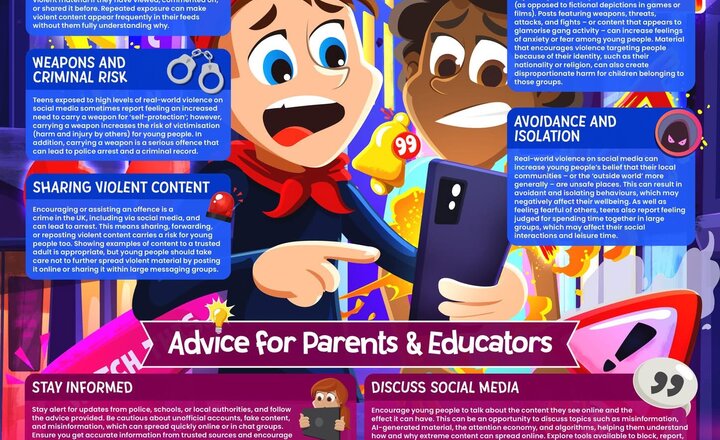
Online Safety: Online Trends Encouraging Violence
Violent clips, online conflicts and shock-value challenges can spread rapidly across social media platforms. Many young people are exposed to this content through algorithms or messaging groups, even when they were not actively searching for it. Our latest #WakeUpWednesday guide explores how viral trends can encourage risky behaviour, normalise violence and create anxiety or fear within communities. The guide also highlights: • The emotional and legal risks of sharing violent content • How social media algorithms amplify harmful material • Practical advice for parents and educators Download the guide and support safer online conversations with young people: https://vist.ly/4vah7 #OnlineSafety #Safeguarding #DigitalWellbeing #WakeUpWednesday
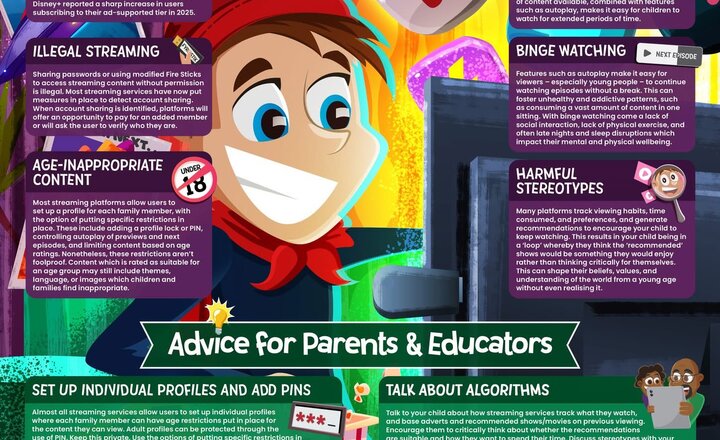
Online Safety: Streaming Services
Streaming platforms have quickly become one of the most popular ways for children to watch TV and films. But behind the convenience of on-demand content are several risks that parents and educators should be aware of. From excessive screen time and binge watching to age-inappropriate material and algorithm-driven recommendations, our latest #WakeUpWednesday guide explores the realities of children’s streaming habits. It also provides practical advice to help families create safer viewing environments, including: ✔️ Setting up individual profiles and PINs ✔️ Managing screen time and autoplay ✔️ Talking to children about algorithms and stereotypes Download the free guide and help support safer streaming habits at home. https://vist.ly/4uh7n #OnlineSafety #WakeUpWednesday #DigitalWellbeing #SafeguardingChildren
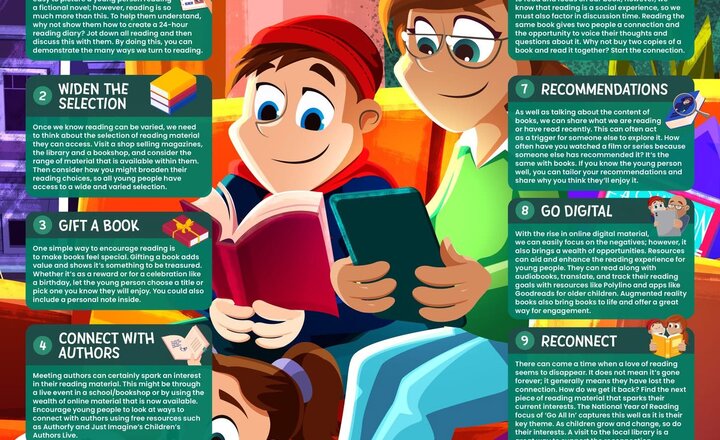
Online Safety: Creative ways to encourage reading
Tomorrow is World Book Day, and it’s the perfect chance to spark a love of reading in every child. Stories don’t just build literacy skills, they inspire curiosity, boost confidence and open doors to new worlds. This week’s #WakeUpWednesday highlights simple, practical ways families can make reading part of everyday life. From creating cosy reading spaces to showing children that reading is fun, small habits can make a big impact. Download your FREE copy here >> https://vist.ly/4tnsk #WorldBookDay #WUW #EncouragingReading
.jpeg)
Online Safety: WhatsApp
With its end-to-end encryption and huge popularity, WhatsApp is often seen as a private and secure way to stay in touch; however, that same privacy can make it harder for trusted adults to see when things go wrong. This week's #WakeUpWednesday guide explains how features like group chats, disappearing messages, ‘Channels’ and location sharing can expose young users to pressure, unwanted contact and inappropriate content. Download your FREE copy here >> https://vist.ly/4ryfu
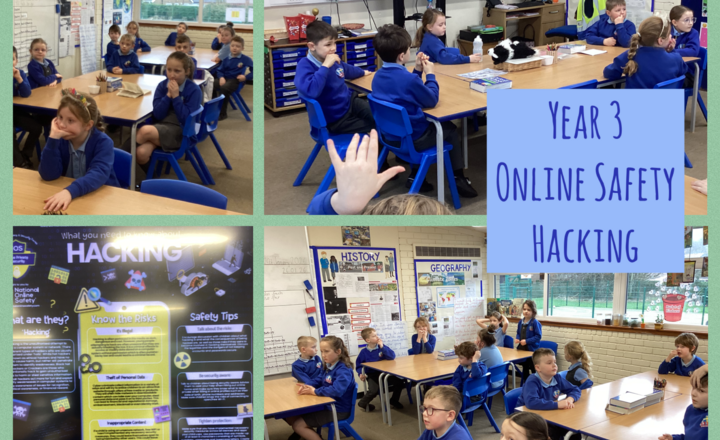
Year 3- Online Safety- Protecting yourself from hackers
Today, Year 3 learned that hacking is the unauthorised attempt to exploit a computer system or network. We discussed how there are different types of hackers, like "Black Hats" who try to steal data and "White Hats" who are ethical and just look for weaknesses to help fix them. It is important to remember that hacking is a criminal offence that can lead to a criminal record, even if it is sometimes portrayed as "cool" in the media. To stay safe, we should use strong passwords with at least 8 characters, including symbols and numbers, and always ask a parent or carer for help before filling out online forms with private details like our address or date of birth. If you ever think an account has been hacked, you should tell an adult right away so they can help change the security controls and offer support.
.png)
Year 3 Become Researchers- Finding facts about David Attenborough
Today in English, Year 3 has taken the lead as researchers. They've been exploring the lives of "World Changers," looking at historical icons like Isaac Newton, David Attenborough and Florence Nightingale. After coming up with some brilliant questions earlier in the week, the children used Purple Mash to navigate the web and find their own facts. It was fantastic to see them working independently as they gathered all the info they needed to write some impressive biographies!
.jpeg)
Online Safety: Fostering a sense of belonging
Feeling a sense of belonging plays a vital role in children’s wellbeing, confidence and gives them the ability to thrive, both academically and emotionally. This weeks #WakeUpWednesday guide explores why belonging matters and how small, everyday interactions can make a meaningful difference in helping children feel accepted and included. Download your FREE copy here >> https://vist.ly/4r52x
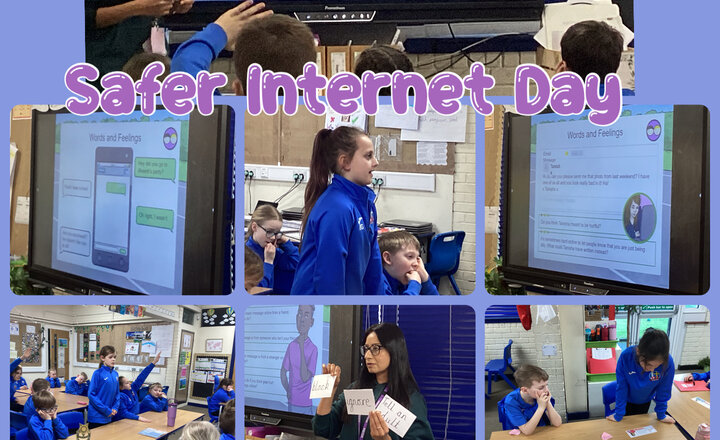
Year 4 - Safer Internet Day: Cyber bullying
In Year 4, we spent Safer Internet Day focussing on a very common issue that many of our school family will probably experience as their internet usage increases: cyber bullying. The topic was introduced to the children sensitively with a look at what cyber bullying may look like. As a class, we read some hypothetical scenarios of unkind messages and shared how we thought the recipient might have felt. We then shared some examples of advice we could give to someone affected by cyber bullying. The children realised that there is a subtle difference between messages aimed at hurting others and those that can be misconstrued. The children were introduced to three options for resolving an issue: block, ignore and tell a trusted adult. They developed skills to help them think critically about what they see online.
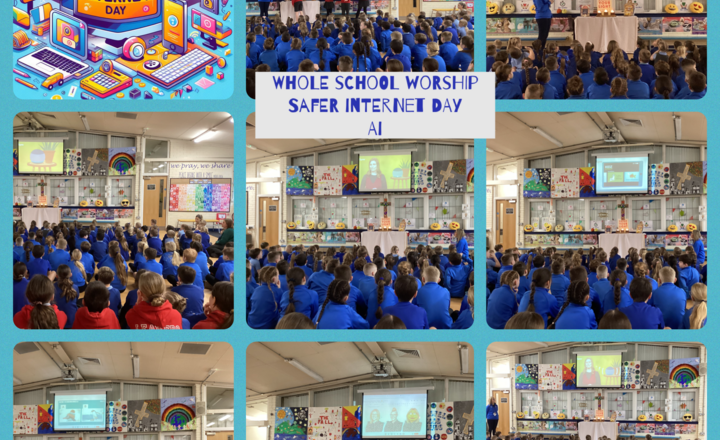
Whole School- Safer Internet Day 2026-Centered on the responsible use of AI.
To mark Safer Internet Day 2026, Mrs Araujo led a special Worship centered on the responsible use of AI. The session started with the Heads and Deputy Heads signing the Trinity. The children then watched a short video and discussed how AI can assist us in our daily lives. Through a fun identification game, pupils practised spotting AI-generated images and learned that because AI can make mistakes, its results are not always true or accurate. This helped our children understand the importance of being cautious and informed digital citizens.