History
.jpg)
Miss Woods
History Subject Leader
Miss Woods is our History subject leader. Mrs Watson is our link governor for History.
For all the latest History curriculum news, please click here.
Intent
The national curriculum states that a high-quality history education will help pupils gain a coherent knowledge and understanding of Britain’s past and that of the wider world. It should inspire pupils’ curiosity to know more about the past. Teaching should equip pupils to ask perceptive questions, think critically, weigh evidence, sift arguments, and develop perspective and judgement. History helps pupils to understand the complexity of people’s lives, the process of change, the diversity of societies and relationships between different groups, as well as their own identity and the challenges of their time.
Our History curriculum is delivered through the Kapow scheme, chosen because it provides a clear, vertically integrated progression of skills and knowledge from EYFS to Year 6, ensuring we meet the History National curriculum with confidence. Kapow structures it as a cohesive journey, turning students into "mini-historians" rather than just consumers of facts.
One of the standout features is the Digital Interactive Timeline. In many classrooms, timelines are static posters on the wall that can be difficult for children to engage with. Kapow’s version is a digital tool that allows teachers to "zoom" in and out of different eras. This helps pupils understand the scale of time, for instance, seeing just how long the Stone Age lasted compared to the relatively short Victorian era. It also allows for "concurrency" checks, where a teacher can show what was happening in Ancient Egypt at the same time the Bronze Age was beginning in Britain.
The video content in Kapow History is specifically designed to bridge the gap between complex historical concepts and classroom delivery through two distinct types of digital media. For teachers, the platform provides "CPD " via short, professional development videos that explain the pedagogical approach to a topic, such as how to handle sensitive historical debates or how to interpret specific primary sources. For the pupils, the lessons are enriched with high-quality, "History in Action" videos that serve as visual hooks, often featuring expert historians or virtual tours of significant heritage sites to bring the past to life. This dual-pronged approach ensures that teachers feel confident in their subject knowledge while students remain engaged by seeing history as a dynamic, unfolding story rather than just static text on a page.
By the end of a child’s journey through their historical study at St Barnabas, they should be equipped with an inherent inquisitiveness about the past and how it has shaped the world we live in today. The children should know and understand high end historical vocabulary (such as primary and secondary sources and chronology) as well as key facts and skills that enable them to ask questions about the past to help them clearly understand what happened and how it impacted on the world at that time. Ultimately, allowing the children to ask questions about the past and learn from it in order to not repeat the mistakes of it.
Implementation
We have developed our history curriculum by using a triangulation approach to curriculum development and design.
This is done by: identifying key vocabulary that the children must know to access their topics; developing inquisitive and insightful questions that engage learner’s natural questioning around topics and key fact and knowledge that the children will acquire as they go through their geographical journey within their topics.
We have identified key skills for each individual historical topic across all year groups. This has enabled teachers to really focus on how the children are going to obtain these skills within their topics.
To support literacy and historical enquiry, every lesson includes a clear focus on subject-specific vocabulary. This ensures children have the language needed to articulate their historical understanding.
Identifying key vocabulary prior to teaching each topic allows for an easier transition of understanding acquired by the children. It also breaks down misconceptions about words and enables cross curricular opportunities for upskilling vocabulary across writing topics.
By revisiting the previous lesson's core themes at the start of the next, we create a continuous thread of learning that helps children move information from their short-term to their long-term memory.
Impact
The impact of what we have done has been positive for children, teachers and subject leadership.
Teachers understand clearly what they have to teach but also why they have to teach it. This allows for teachers who find history a difficult subject; to feel empowered and confident about their delivery. It also gives signposts for all in terms of resources available in school and out of school. This saves teacher time in terms of planning and preparation and impacts massively on their work life balance. Ultimately, allowing teachers to be more confident of their delivery of history.
Teachers know explicitly what needs to be taught in their topics and this also allows for teachers to be creative in how they would like to teach their topic but also allows for teachers new to the subject to feel safe about what they are delivering meets the standards required and helps them develop their own knowledge and understanding of their skills and vocabulary.
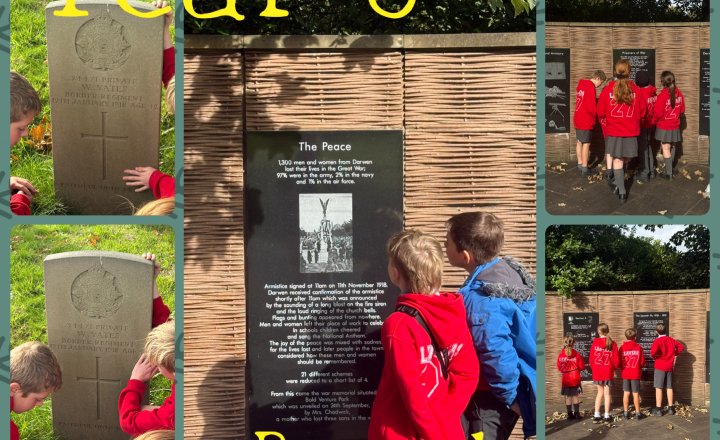
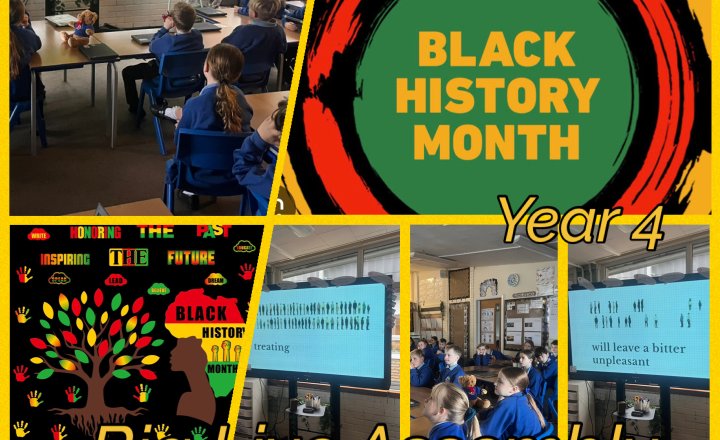
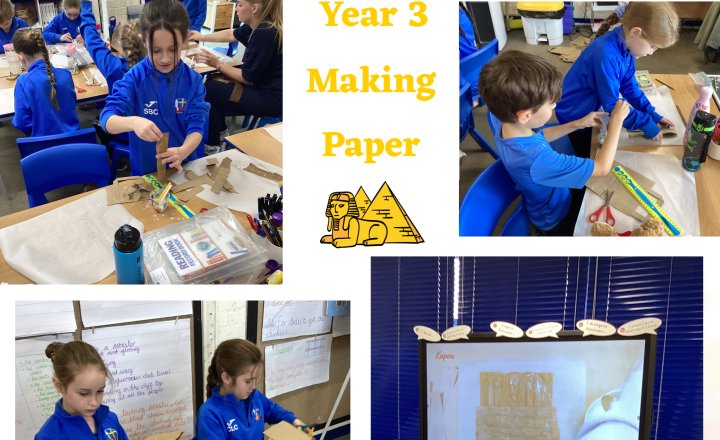
For the children, the first major impact we have seen is that they enjoy their history lessons. Through pupil conferencing, pupils can explain their key vocabulary being taught and can explain geographical concepts taught by using the knowledge and skills obtained through a historical topic.
.png)